

 English
 русский
 Español
 عربى
عربى40ft Custom Air Compressor Container
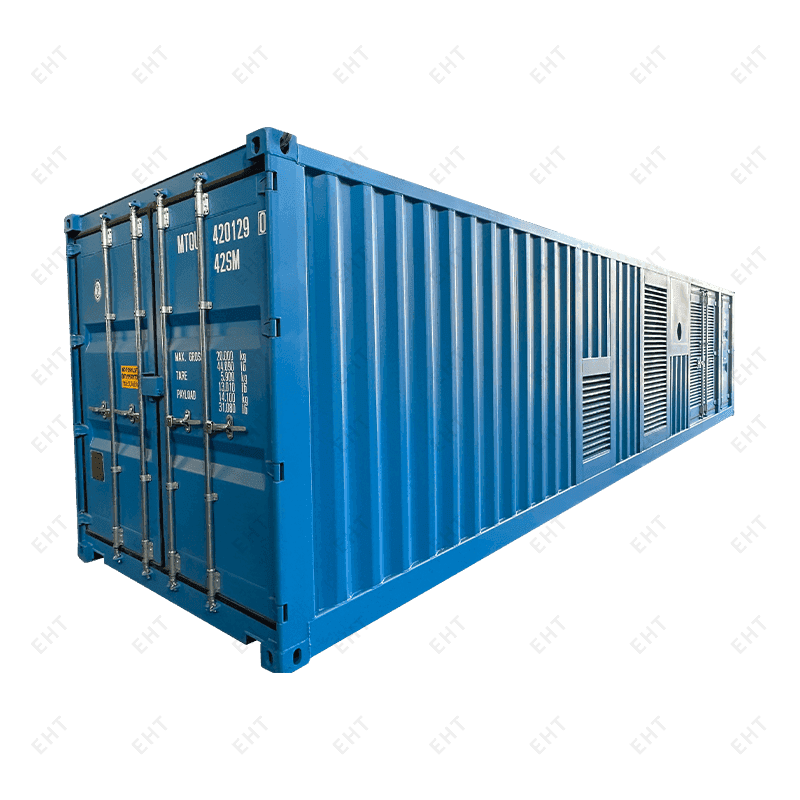
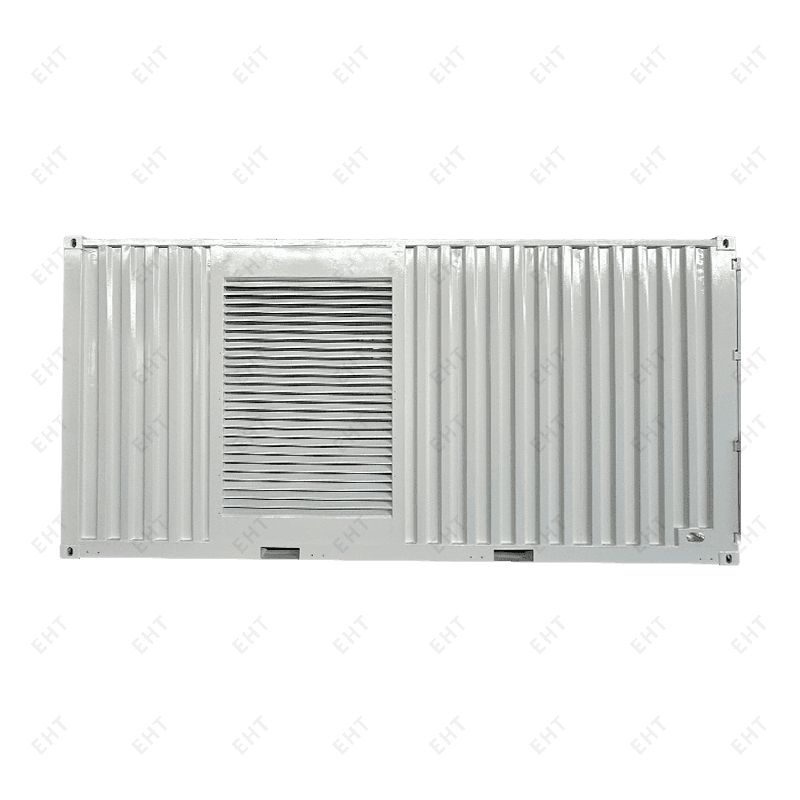
Specialized Shipping Container | 40ft Custom Air Compressor ContainerOverall Dimensions: 12192 × 2438 × 2896mmLarge...
Purchasing DNV offshore containers involves far more risk than sourcing standard shipping or storage containers, since these units are deployed in some of the harshest operating environments in the world, supporting offshore oil and gas platforms, wind farm installations, and marine construction projects. A container that fails certification or performs poorly at sea doesn't just create inconvenience; it can lead to project delays, regulatory violations, and serious safety hazards for personnel handling cargo in offshore conditions. This guide walks through the most common pitfalls buyers encounter when purchasing DNV offshore containers and how to avoid them, helping procurement teams make informed, defensible sourcing decisions.
Content
One of the most fundamental mistakes buyers make is assuming DNV certification is a single, uniform stamp of approval rather than a detailed set of design, testing, and manufacturing standards specific to offshore container applications. DNV 2.7-1 and DNV 2.7-3 are the two primary standards relevant to offshore containers, and they cover different equipment categories with distinct testing requirements, including structural load testing, lifting point verification, and material specifications suited to marine environments.
Buyers who don't understand the specific standard their application requires risk purchasing a container that is technically certified but not appropriate for their intended use, whether that involves lifting cargo via crane in rough sea states or storing hazardous materials that require additional containment features under the applicable standard.
Certification fraud and misrepresentation remain persistent problems in the offshore equipment supply chain, making careful verification essential before finalizing any purchase agreement.
Some suppliers present certification documents that appear legitimate but reference expired approvals, mismatched serial numbers, or certificates belonging to a different unit entirely. Buyers should independently verify certification validity directly with DNV or the applicable classification society, rather than relying solely on documents provided by the seller, since this simple step can prevent accepting a container that doesn't actually meet current certification requirements.
DNV offshore containers require periodic recertification, typically every five years or based on specific usage cycles, to remain compliant for continued offshore service. Buyers purchasing used or refurbished units sometimes overlook checking when the last recertification occurred, resulting in a container that requires immediate re-inspection and potential costly repairs before it can legally be deployed.
Beyond paperwork issues, buyers should also understand the structural characteristics that distinguish a genuinely compliant offshore container from one that merely resembles industry standards on the surface.
Offshore containers must be designed with lifting points capable of withstanding dynamic loading conditions unique to crane operations on moving vessels or platforms, which differ significantly from static land-based lifting scenarios. Containers with lifting points designed only for standard onshore handling can fail under the additional stress introduced by wave motion and vessel movement during offshore transfers.
Marine environments accelerate corrosion far more aggressively than typical onshore conditions, and containers not built with appropriate coating systems and corrosion-resistant materials can deteriorate rapidly, compromising structural integrity well before their expected service life ends. Buyers should confirm the specific coating system used and its expected performance duration in saltwater exposure conditions.

Understanding the tradeoffs between purchasing new versus used or refurbished offshore containers helps buyers make a decision aligned with their budget, timeline, and risk tolerance.
| Condition | Certification Risk | Typical Consideration |
| New | Low, certification issued at manufacture | Higher upfront cost, longer lead time |
| Refurbished | Moderate, verify recertification date | Balance of cost and remaining service life |
| Used, Uninspected | High, may require immediate re-certification | Lowest upfront cost, highest hidden risk |
Buyers considering used or uninspected units should factor potential recertification costs into their total purchase evaluation, since a seemingly low purchase price can quickly be offset by mandatory inspection, repair, or recertification expenses required before the container can be legally deployed offshore.
Certification alone doesn't guarantee a positive purchasing experience, particularly for buyers placing large or recurring orders. Suppliers with inconsistent quality control across production batches, poor communication during the ordering process, or limited after-sales support can create significant operational headaches even when the containers themselves meet certification requirements on paper.
Requesting references from previous offshore industry clients, reviewing a supplier's track record with regulatory bodies, and confirming their capacity to provide ongoing technical support after delivery all contribute to a more complete picture of supplier reliability beyond what certification documents alone can reveal.
Working through a structured set of questions before committing to a purchase helps surface potential issues that might otherwise only become apparent after the container has already been delivered and deployed.
Purchasing DNV offshore containers requires a level of diligence that goes well beyond checking a box for certification. Verifying documentation independently, understanding structural and corrosion protection standards, and carefully weighing the tradeoffs between new and used units all play a critical role in avoiding costly mistakes that could compromise both project timelines and offshore safety. By asking the right questions and thoroughly vetting suppliers before finalizing a purchase, procurement teams can secure offshore containers that perform reliably under the demanding conditions these units are built to withstand.

What to stay up to date?
Contact us via the email address below.
No. 178, Wuzhou East Road, Economic Development Zone, Yangzhou, Jiangsu.
Copyright 2024 Yangzhou Yichengke Integrated Technology Co., Ltd. All Rights Reserved.

