

 English
 русский
 Español
 عربى
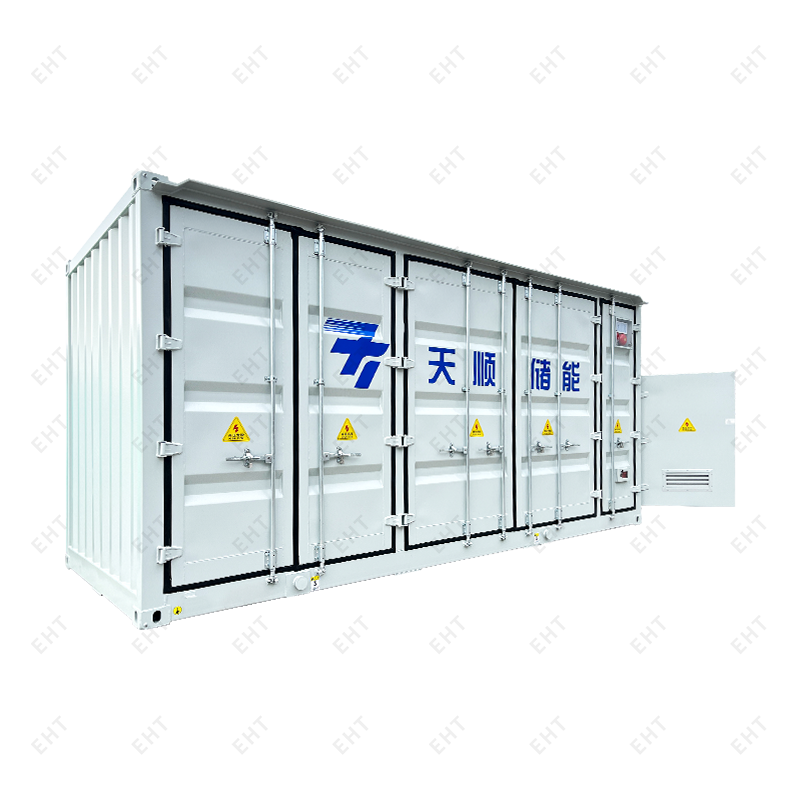
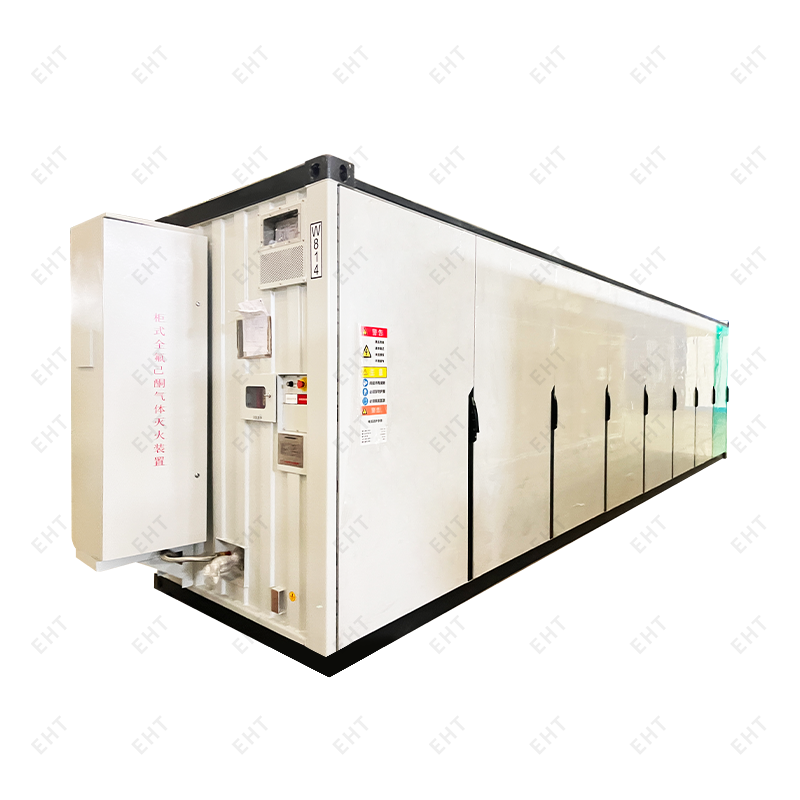
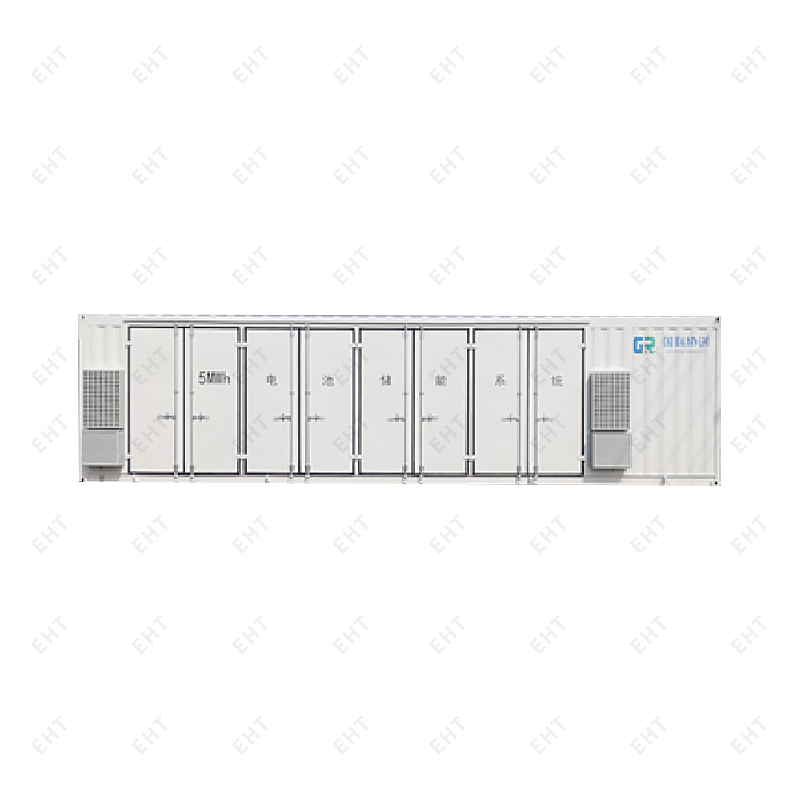
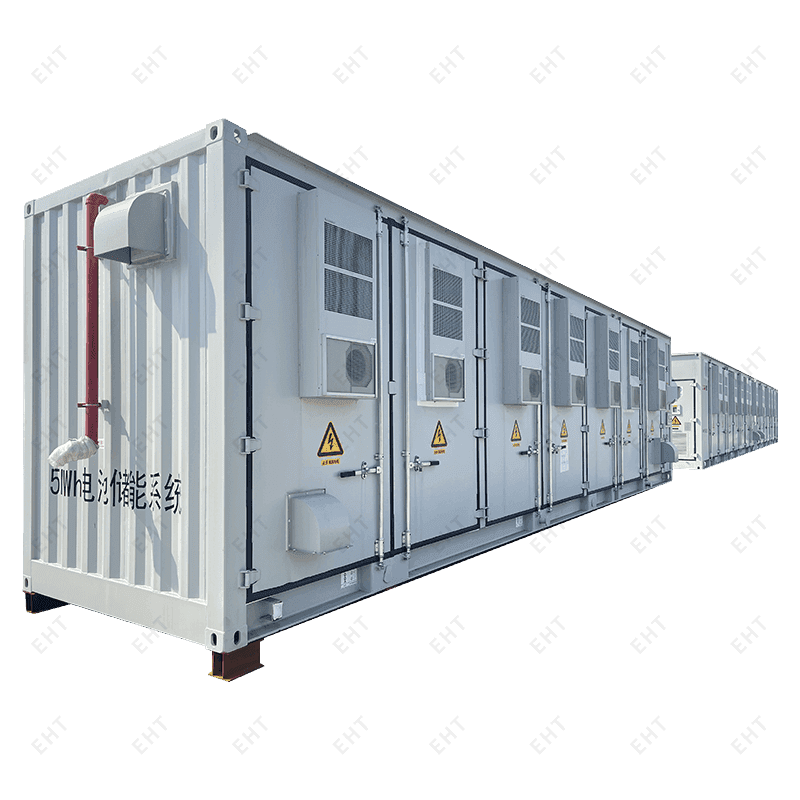
عربى20ft Battery Energy Storage Container for Grid and Renewable Energy
1. The 20-foot battery energy storage container is primarily used on the power side and grid side, suitable for gri...
The battery energy storage system is a specially designed container used for storing and distributing energy, commonly applied in the renewable energy field, such as the storage and distribution of solar and wind energy. We can customize supporting photovoltaic containers, inverter containers, and more around the battery energy storage system.

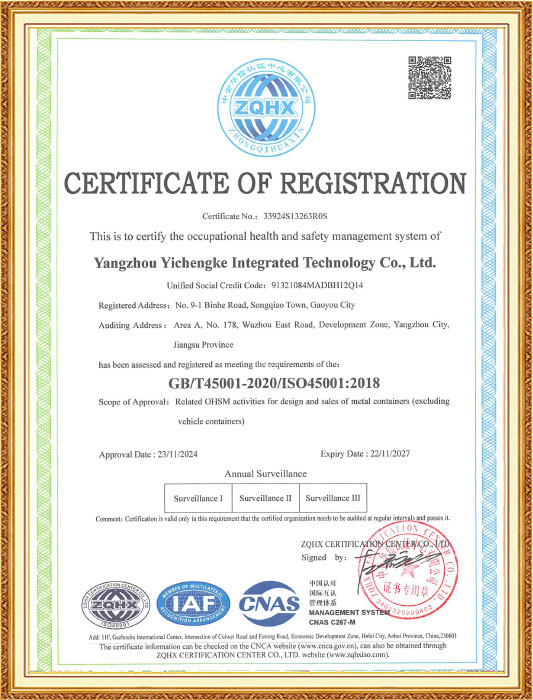
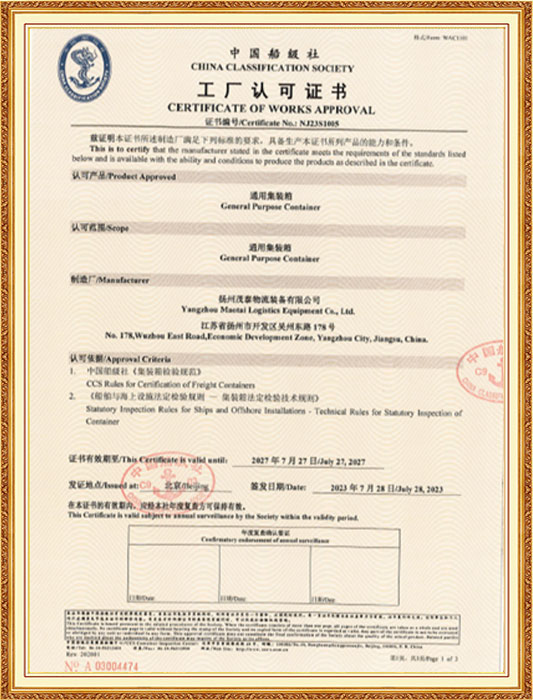
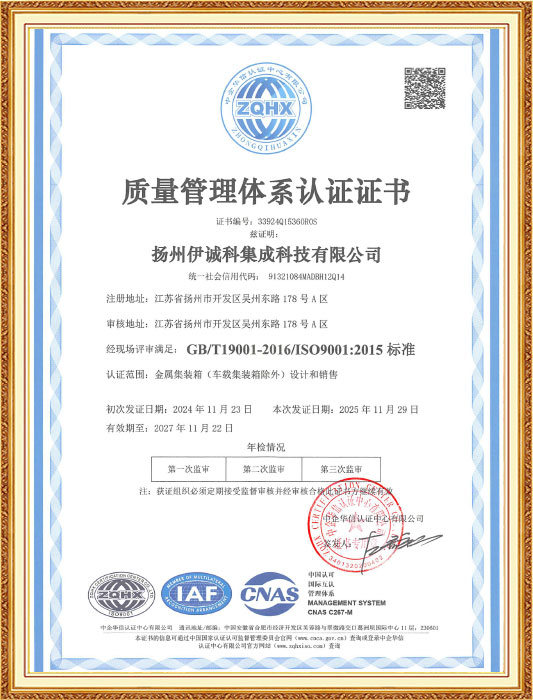

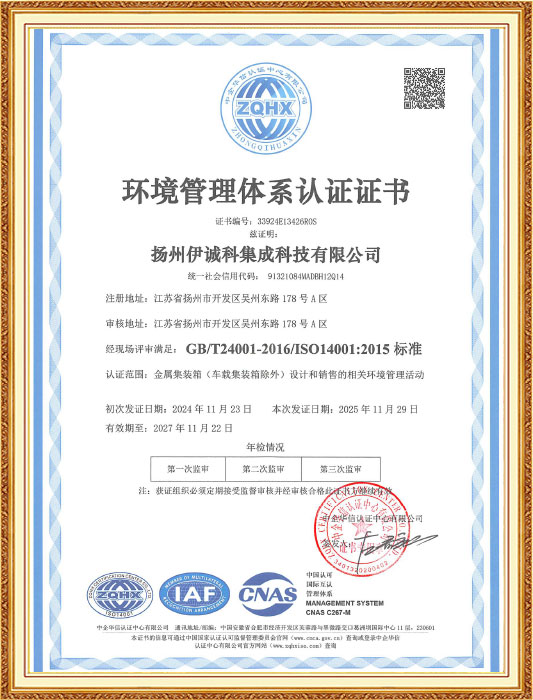

Across the global power industry, one shift has become impossible to ignore: the containerized substation market is moving from a niche solution to a mainstrea...
READ MOREReefer containers are the workhorses of the global cold chain, and the 40ft reefer container is one of the most frequently used sizes for international trade o...
READ MOREAsk ten system integrators how long lithium batteries last, and you will get ten different estimates. That is not because the industry is confused; it is becau...
READ MORETwo containerised BESS units with the same nominal megawatt-hour rating can behave very differently once they are installed. One will hold its rated capacity t...
READ MOREHow Battery Energy Storage Systems Enhance Grid Stability and Support Renewable Power Integration
In today’s fast-evolving energy landscape, the role of battery energy storage systems (BESS) in ensuring grid stability is more critical than ever. As renewable energy sources like solar and wind become more prominent, they also introduce volatility due to their intermittent nature. Battery energy storage systems act as a buffer between energy generation and consumption, responding in milliseconds to fluctuations in demand or supply. This fast-response capability is what allows BESS to help stabilize frequency and voltage on the grid—something traditional generation sources struggle to do with the same precision and speed.
When paired with renewable systems, such as those housed in a Mobile Solar Power Container, battery storage becomes an intelligent and reactive component of the overall infrastructure. During periods of excess generation, such as midday in solar farms, surplus electricity is stored rather than wasted. Then, during peak demand hours or periods of low generation, the stored energy can be dispatched back into the grid or used on-site. This approach not only reduces reliance on fossil fuels but also enhances the overall efficiency of the renewable energy system by flattening demand curves and avoiding the need for costly peak power plants.
One of the lesser-discussed but equally important roles of an Energy Storage Container is its function in load shifting and peak shaving. By intelligently storing and discharging energy based on usage patterns and utility rate structures, BESS helps commercial and industrial users reduce their energy costs while also lowering strain on the grid. This capability is especially beneficial in regions with dynamic electricity pricing or where grid infrastructure is under stress. For example, storing energy at night when prices are lower and using it during the day when demand and rates are high translates into real, measurable savings for energy-intensive operations.
Beyond economics, BESS significantly enhances resilience. In the event of a grid outage, battery systems can instantly provide backup power to critical loads, maintaining operational continuity for hospitals, data centers, or manufacturing facilities. More advanced systems can even enable a seamless transition to islanded mode, operating independently from the grid until service is restored. This capability makes energy storage containers particularly attractive for mission-critical infrastructure and remote locations where energy security is paramount.
To function effectively in these roles, BESS requires a sophisticated control system. Real-time data analytics, communication with grid operators, and predictive algorithms allow the system to adjust its behavior dynamically. Whether integrated into a solar-plus-storage solution or deployed as a stand-alone energy storage container, the intelligence behind the batteries is what turns them from passive assets into active grid participants. This dynamic participation supports a more flexible, responsive grid that can accommodate the growing complexity of decentralized energy generation.
From a supplier’s perspective, we’ve seen firsthand how well-designed systems—especially modular units like mobile solar power containers—bring tremendous value to developers, utilities, and end users. Customization, quality, and reliability aren’t just technical selling points; they’re the foundation of long-term project success. As energy demands rise and the world accelerates its shift to renewables, battery energy storage systems stand at the center of a smarter, more stable, and more sustainable energy future.

What to stay up to date?
Contact us via the email address below.
No. 178, Wuzhou East Road, Economic Development Zone, Yangzhou, Jiangsu.
Copyright 2024 Yangzhou Yichengke Integrated Technology Co., Ltd. All Rights Reserved.

