

 English
 русский
 Español
 عربى
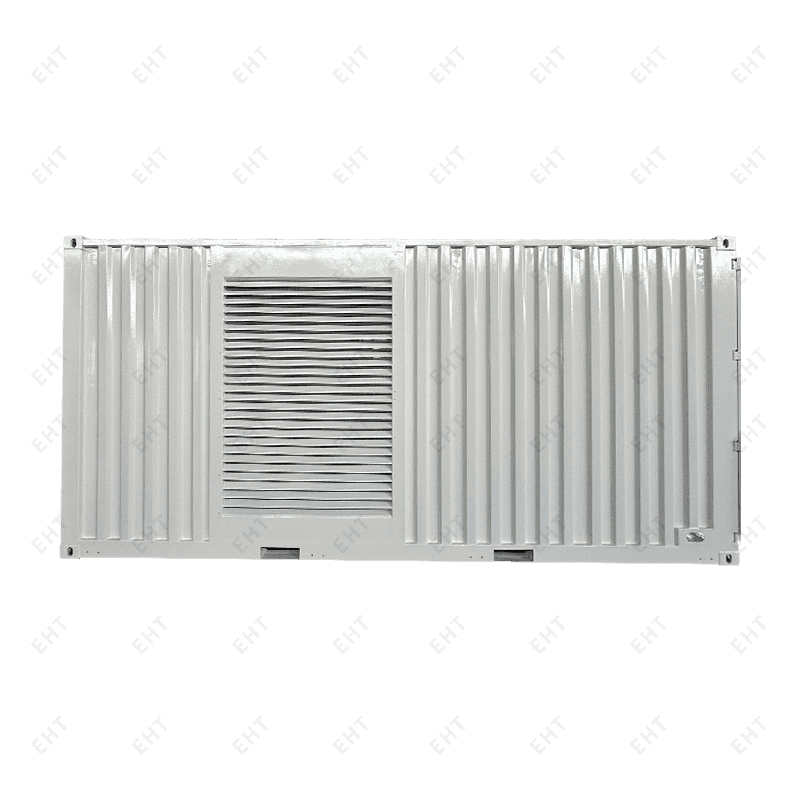
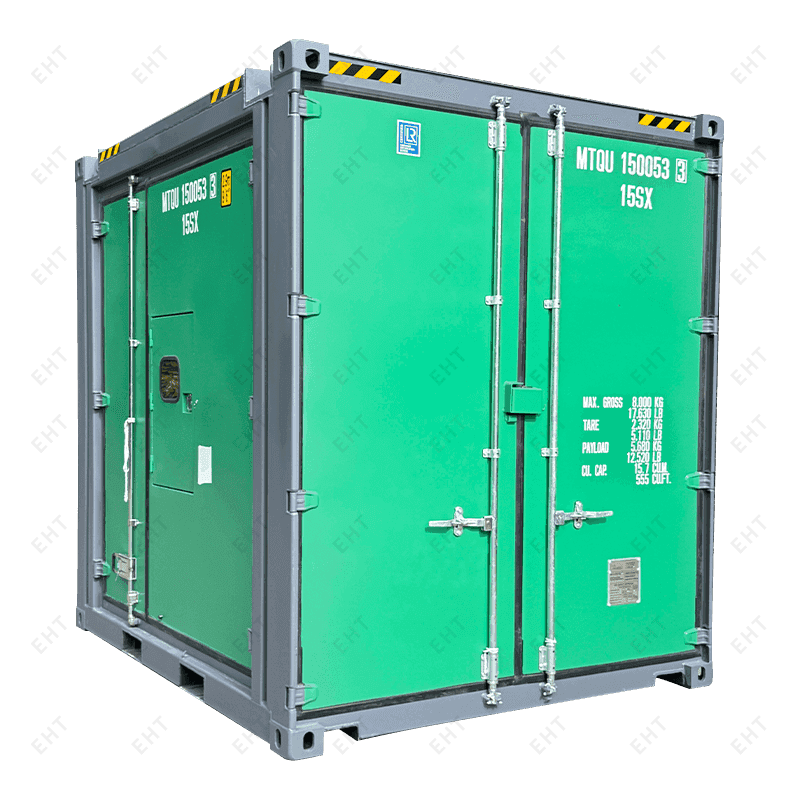
40ft Custom Air Compressor Container
Specialized Shipping Container | 40ft Custom Air Compressor ContainerOverall Dimensions: 12192 × 2438 × 2896mmLarge...
Construction site storage containers look simple: a steel box, doors and a padlock. On a busy site they become part of the daily rhythm. The right unit keeps tools dry, materials accounted for, and the team from turning every delivery into a search party. The wrong one becomes the place where things disappear.
We build and adapt containers for industrial, offshore and site work, and the lessons are consistent: start with how people will use the space, then choose the box. This guide covers the practical decisions that make construction site storage containers useful, from size and access to security, ventilation and fit-out.
Content
Before comparing 10 ft and 40 ft units, list what will actually go inside and how often it will be touched. Most site stores hold a mix of tools and fixings, consumables and PPE, high-value plant and survey equipment, bulk materials, documents, and welfare supplies. Each group has a different access pattern and a different level of risk.
Sketch the route from gate to container door. If a forklift will collect pallets, the approach matters as much as the floor area. If electricians need a tool every hour, a single narrow door will slow them down. Put fast-moving items near the door.
Standard construction storage containers are usually 8 ft wide and come in 10 ft, 20 ft and 40 ft lengths. Door type often matters more than length: a standard end door, a side-opening wall, an open top, or a hook-lift base each solves a different problem.
| Format | Best for | Planning notes |
|---|---|---|
| 10 ft standard | Compact tool crib, PPE store or small lock-up. | Useful where space is tight; check delivery access. |
| 20 ft standard | General tools, consumables and materials. | Practical for most sites; door position affects wall space. |
| 20 ft side-opening | Pallets, long materials and wide-load equipment. | Needs clear space beside the doors; avoid boxing it in. |
| 20 ft open-top | Awkward or crane-loaded items. | Roof cover, drainage and lifting plan are essential. |
| 40 ft standard | High-volume materials or temporary warehousing. | Check ground bearing and turning space before delivery. |
| 20 ft hook-lift | Stores that move between plots or phases. | Requires a compatible vehicle and level landing area. |
For many projects, a 20 ft unit is the practical middle ground. Where pallets and long materials dominate, a side-opening unit turns the long wall into an access point, so a forklift can work without passing items hand to hand through a single door.
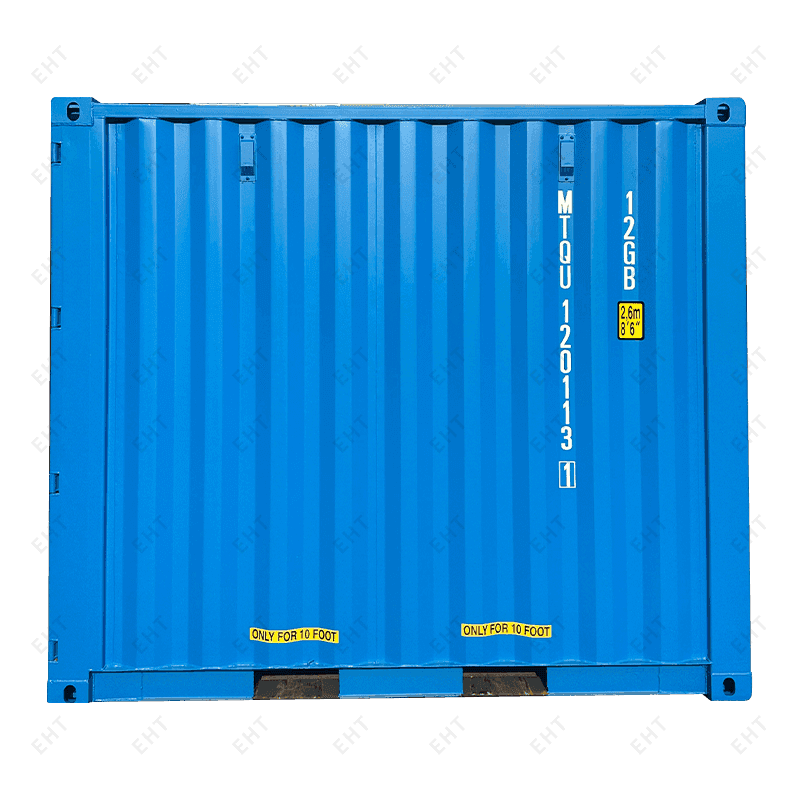
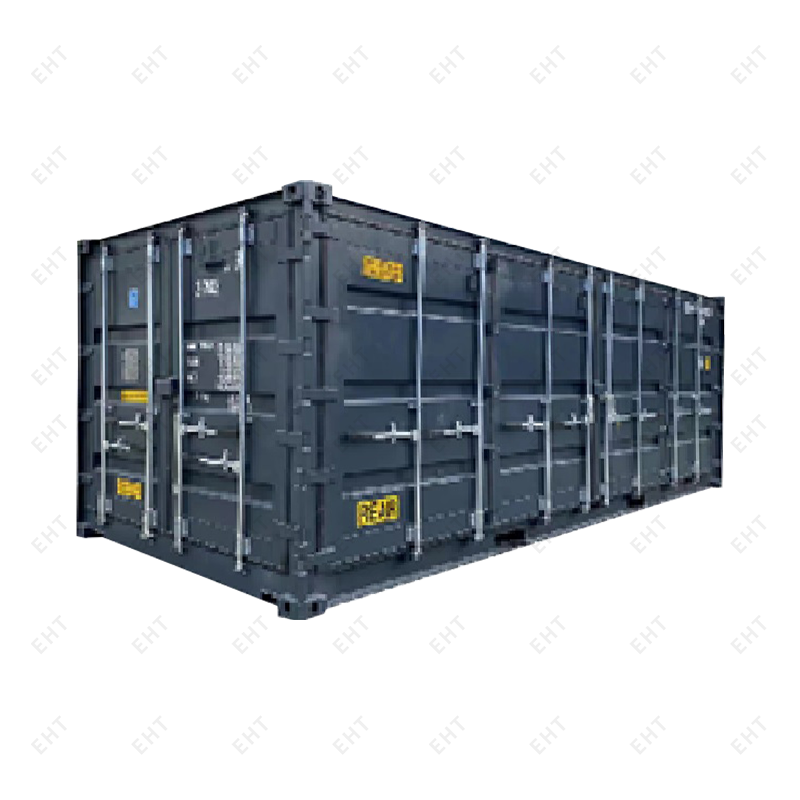 20 ft Side-Door Shipping ContainerA 20 ft side-opening container that turns the long wall into an access point, helping forklifts handle pallets and long materials without single-door handloading.View Product →
A storage container is not a vault; it is a delay. Make casual theft difficult and forced entry noisy and slow. Start with a protected lock box, a hardened padlock, and hinges that cannot be unbolted from outside. Add lighting and, on larger sites, a simple access record.
Inside, separate high-value equipment from general materials. A lockable cage prevents a missing grinder from becoming a missing survey kit. Keep an inventory and a sign-out sheet; most losses are noticed late because nobody knows what should be there. Keep the area around the doors clear so nobody can work unseen.
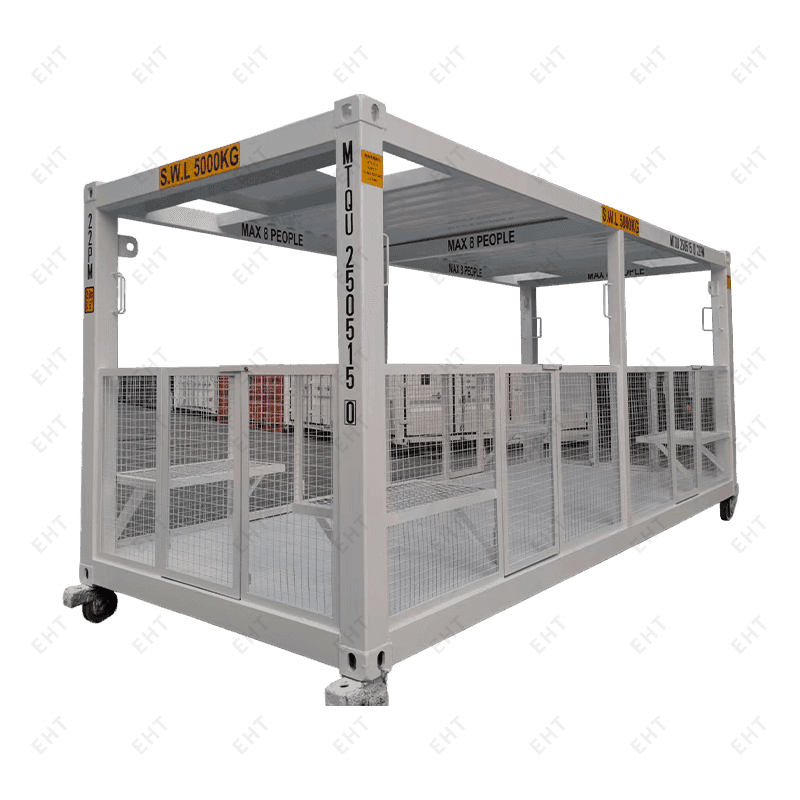
For tool-heavy trades, a dedicated detachable tool container can keep smaller items organized and make relocation less painful.
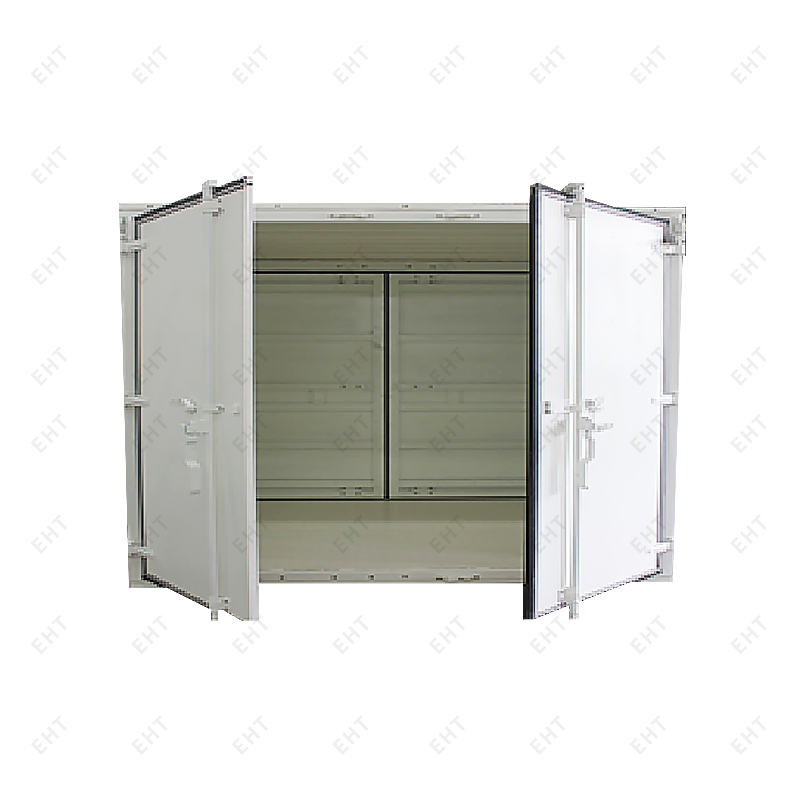 Detachable Tool Container for Organized Equipment TransportModular tool container that can be dismantled for lower transport costs and organized storage of tools and equipment on site.View Product →
Steel is tough, but it is not magic. A closed container can become very hot in summer and damp in winter. Condensation forms when warm, moist air meets cold steel, and it is worse when the unit is sealed with no ventilation. Raise the container on firm blocks, keep roof and doors in good repair, and check drainage around the footprint.
Ventilation helps, but it is not a substitute for sensible storage. Do not put wet timber, damp PPE or leaking containers inside. Use pallets or racking to keep goods off the floor, leave a gap between stored items and the walls, and add desiccant where appropriate. Chemicals, fuels and gases need separate, compliant storage with spill containment and clear labeling.
Most container problems happen before the unit reaches its resting place. Check the delivery route for gate widths, overhead cables, soft ground and turning space. Confirm who will lift or position the container, and agree the exclusion zone before the vehicle arrives.
Set the container on level, stable ground with room for the doors to open fully. Keep it away from excavations, access routes for emergency vehicles and areas prone to standing water. If the store will move between plots or phases, a hook-lift base can reduce handling time and avoid improvised lifting arrangements.
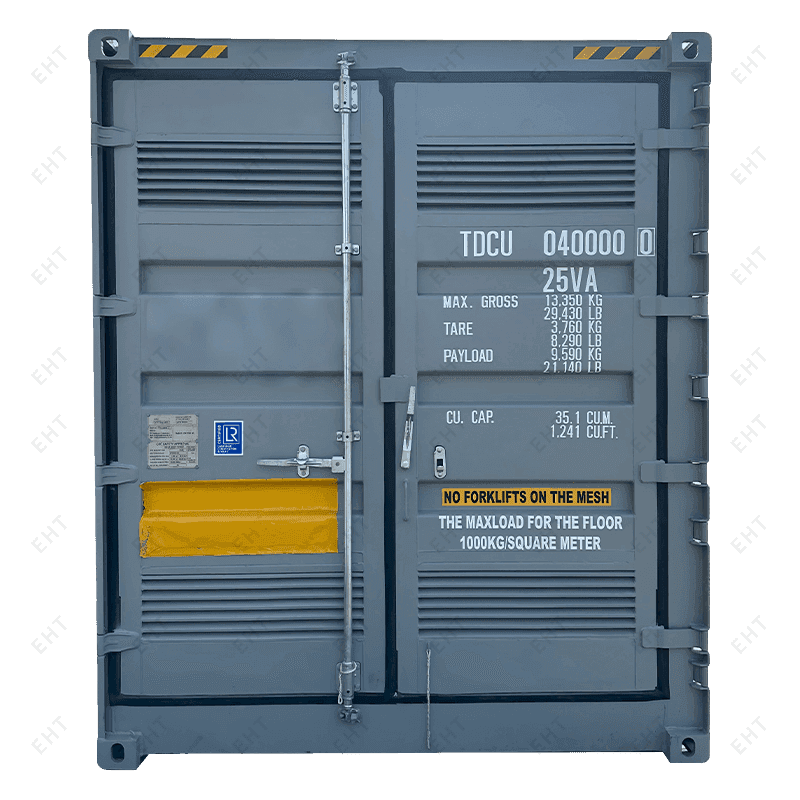
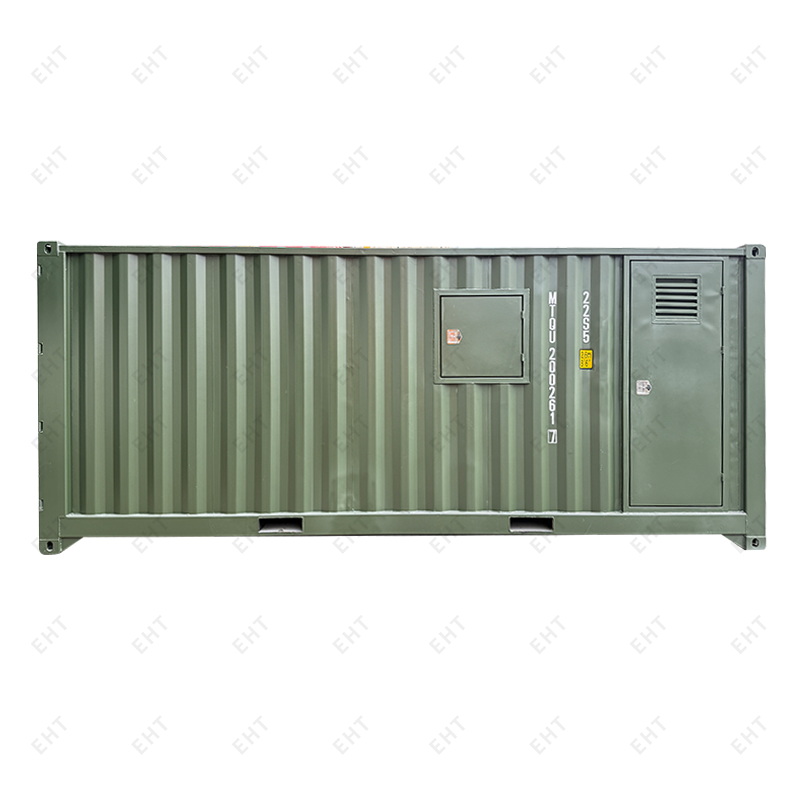 20 ft A-Type Hook Lift ContainerHook-lift 20 ft container with compartmentalized locking doors and top hook interfaces for faster loading, secure storage and transport.View Product →
The most useful fit-out is usually simple. Fix shelving and racking securely to the container structure, keep heavy items low and near the center, and leave a clear aisle from the door. Label zones by trade or material type, and use shadow boards for tools that are easy to misplace.
A container can also become a site office, canteen, drying room or first-aid point, but the conversion is more than a desk and heater. Insulation, ventilation, power, fire egress and condensation control all need thought. Welfare space often needs more floor area than expected. Our guide to portable site offices covers the layout questions worth settling early.
Standard containers work well when the need is straightforward. Custom manufacturing makes sense when handling, access or fit-out is unusual: a side-opening wall for pallets, a partition between tools and materials, a lockable cage, extra ventilation, insulation, lighting, or a hook-lift base for frequent moves. The aim is to remove daily friction, not to complicate a simple store.
At EHT, we build containers and integrated systems from drawings, samples or a clear description of the problem. Our production is supported by ISO9001, ISO45001 and ISO14001 systems, and products can be supplied with CE, CSA or AS/NZS 1170.2 structural design certification depending on the market. We will also tell you when a well-maintained standard unit is the more sensible choice.
Construction site storage containers do more than hold things. They protect the tools that keep a schedule moving, reduce waste, and give a site a calmer, more organized center. Start with the workflow, then confirm access, ground conditions, security and ventilation. Get those right, and the container becomes quiet site infrastructure that saves time every day.
If you are planning a site store or working through a custom layout, our team is happy to talk it through.

What to stay up to date?
Contact us via the email address below.
No. 178, Wuzhou East Road, Economic Development Zone, Yangzhou, Jiangsu.
Copyright 2024 Yangzhou Yichengke Integrated Technology Co., Ltd. All Rights Reserved.

