

 English
 русский
 Español
 عربى
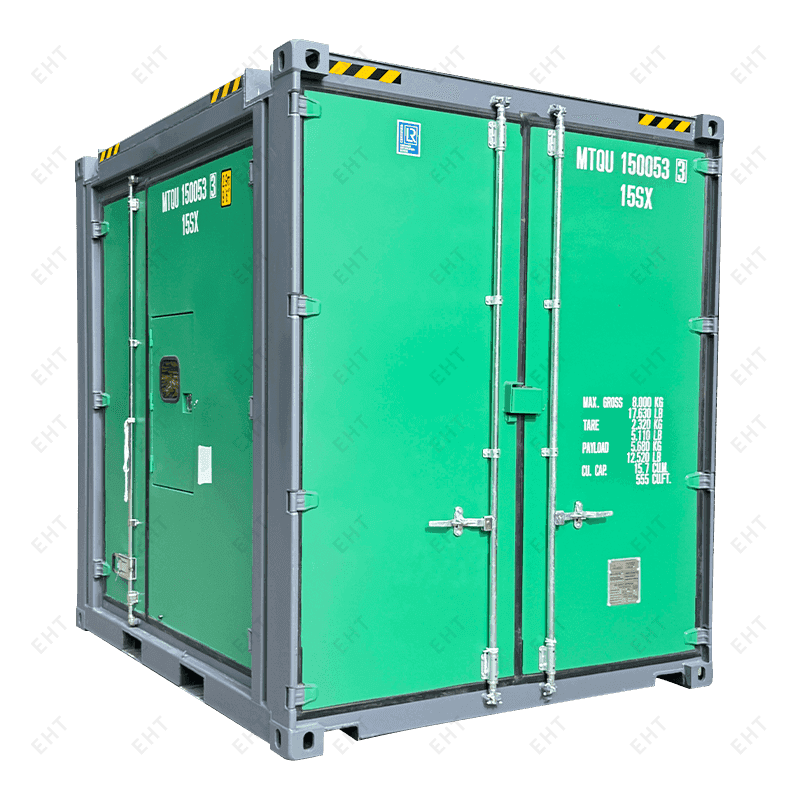
عربى40ft Custom Air Compressor Container
Specialized Shipping Container | 40ft Custom Air Compressor ContainerOverall Dimensions: 12192 × 2438 × 2896mmLarge...
When a project owner asks us how long a lithium-ion battery will last, they are usually trying to make a purchase decision: should I pay more for a longer-lived system, or is a cheaper unit good enough? The direct answer is that a lithium-ion battery in a well-designed stationary storage system typically delivers 4,000 to 6,000 full-equivalent cycles, which works out to about 10 to 15 years if the system cycles once per day. A battery in a smartphone, by comparison, will usually pass 300 to 500 cycles before noticeable degradation. The chemistry is the same; the difference comes from how the cell is operated, cooled, and managed.
Content
Two different clocks measure a lithium-ion battery's life. Cycle life counts the number of complete charge and discharge cycles before capacity falls below a defined threshold, normally 70 to 80 percent of the original rating. Calendar life counts the years the battery can sit in a system before internal resistance and self-discharge make it impractical. A battery can reach its end of life through either clock, and the faster one usually decides the replacement date.
| Application | Expected Cycle Life | Expected Calendar Life | Primary Limiting Factor |
|---|---|---|---|
| Consumer electronics | 300–500 cycles | 2–3 years | High depth of discharge |
| Electric vehicles | 1,000–1,500 cycles | 8–10 years | Thermal management |
| Marine and RV deep-cycle | 2,000–5,000 cycles | 5–10 years | Charge rate, temperature |
| Stationary containerized BESS | 4,000–8,000 cycles | 10–15 years | BMS control, controlled DoD |
For a grid-scale or off-grid storage container, the cycle life is what matters most because the system is expected to cycle every day. A 4,000-cycle battery cycled 365 times per year gives roughly 11 years of useful service. Pushing the threshold to 6,000 cycles extends that to about 16 years, assuming no other failure mode appears first.
Manufacturers publish a baseline cycle count, but the operational environment determines whether you reach it. The following factors, in order of impact, move the real number significantly.
Every lithium-ion cell has a preferred operating window. Discharging to 100 percent on a regular basis accelerates the growth of the solid-electrolyte interphase layer, which consumes lithium ions and raises internal resistance. Limiting discharge to 80 percent, or even 70 percent, can double the usable cycle count. Containerized systems use a battery management system (BMS) to enforce this window automatically, but the project owner should specify the desired daily operating envelope in the design phase.
Heat is the fastest way to age lithium-ion cells. Above 35°C, the rate of side reactions inside the cell increases substantially; many storage manufacturers therefore specify liquid cooling or active thermal management to hold the pack between 20°C and 30°C. Cold is less damaging to calendar life but reduces usable capacity and can cause lithium plating during charging below 0°C. A well-engineered container includes both heating and cooling paths, not just one.
The C-rate expresses how fast a battery is charged or discharged relative to its capacity. A 1C rate drains a 100 Ah battery in one hour; a 0.5C rate takes two hours. High C-rates generate heat and mechanical stress on the electrode structure. Stationary energy storage containers typically operate at 0.2C to 0.5C for daily cycling, which is gentle on the cells. Demand response or peak-shaving applications can push instantaneous rates higher, and the system design must account for that in its thermal and BMS settings.
The battery management system is the single most important engineered component in determining real lifespan. A good BMS balances cell voltages, limits cell temperature, manages state of charge, and prevents overcurrent. Battery management technology directly shapes how many cycles a system will deliver before replacement. Cell quality from the manufacturer matters equally; cells with wider voltage spread force the BMS to limit the full pack, effectively reducing usable capacity from day one.
Containerized battery energy storage systems (BESS) are built around the same lithium-ion chemistry but are engineered to hit the upper end of the cycle-life range. The container provides structural protection, thermal management, fire safety, and a controlled electrical environment. At EHT, we design and manufacture BESS containers in 20-foot, 32-foot, 40-foot, and 45-foot formats, each tailored to the expected operating profile of the customer's project.
The 40-foot high-capacity container delivers 3.5 MWh with liquid-cooling architecture that holds cell temperature in a narrow band, which is exactly what the cycle-life data tells us to do. The 20-foot container suits grid and renewable energy projects where space is limited but the daily cycling schedule remains steady. For larger installations, the 45-foot container with lithium and sodium-ion cell options provides flexibility in dispatch and life-cycle cost.
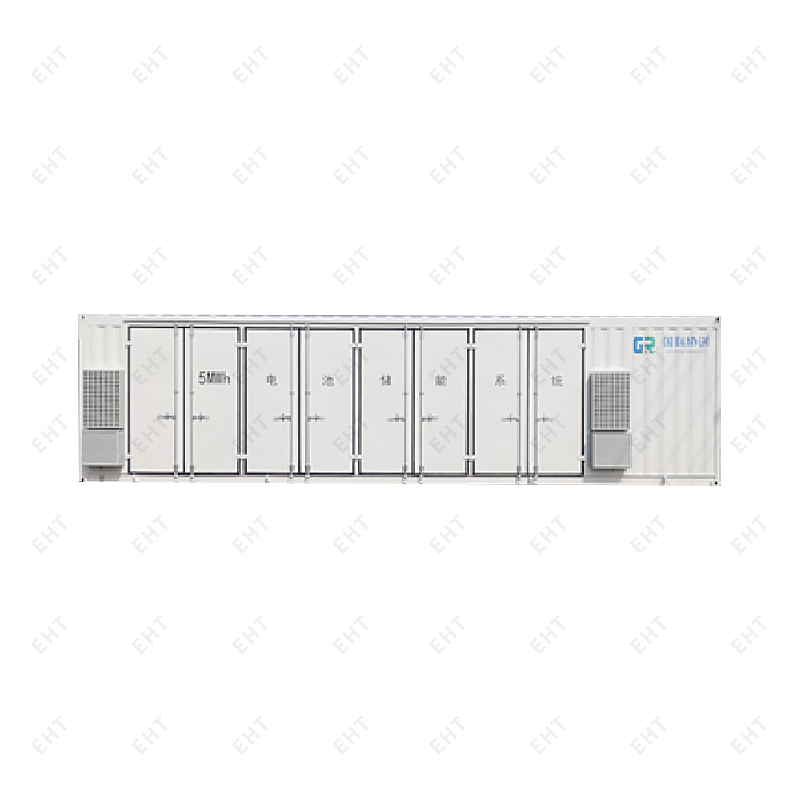 40ft High-Capacity Liquid-Cooled Energy Storage ContainerThis 40-foot container delivers 3-5 MWh with liquid cooling thermal management, ideal for grid-level and renewable integration projects that require efficient peak shaving and load balancing.View Product →
 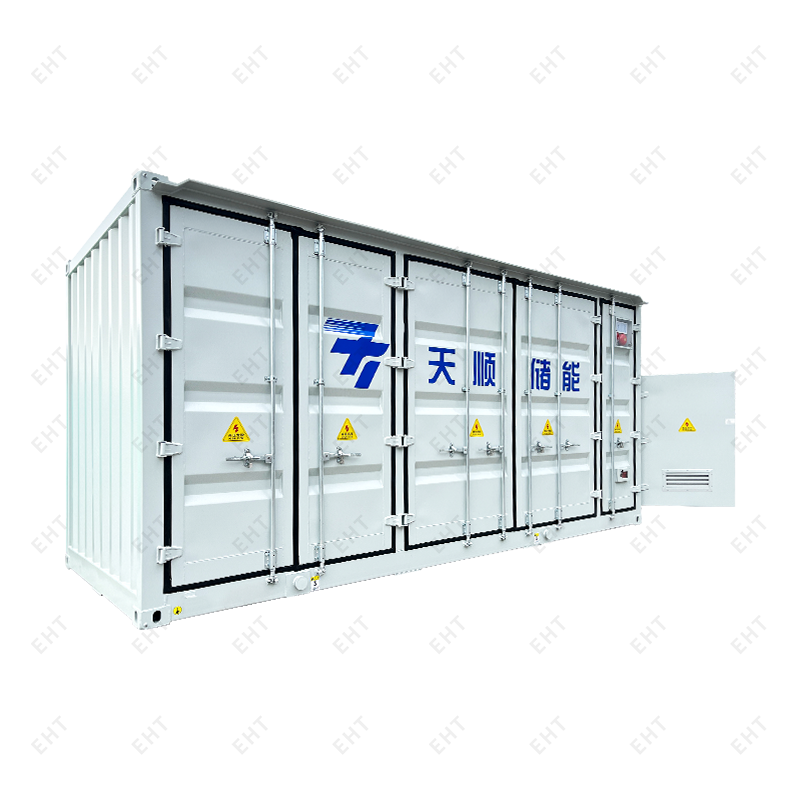 20ft Energy Storage Container for Grid and Renewable ProjectsA compact 20-foot container with liquid cooling, suitable for space-limited grid or renewable installations, offering customizable capacity from 1.5 to 35 MWh for steady daily cycling.View Product →
 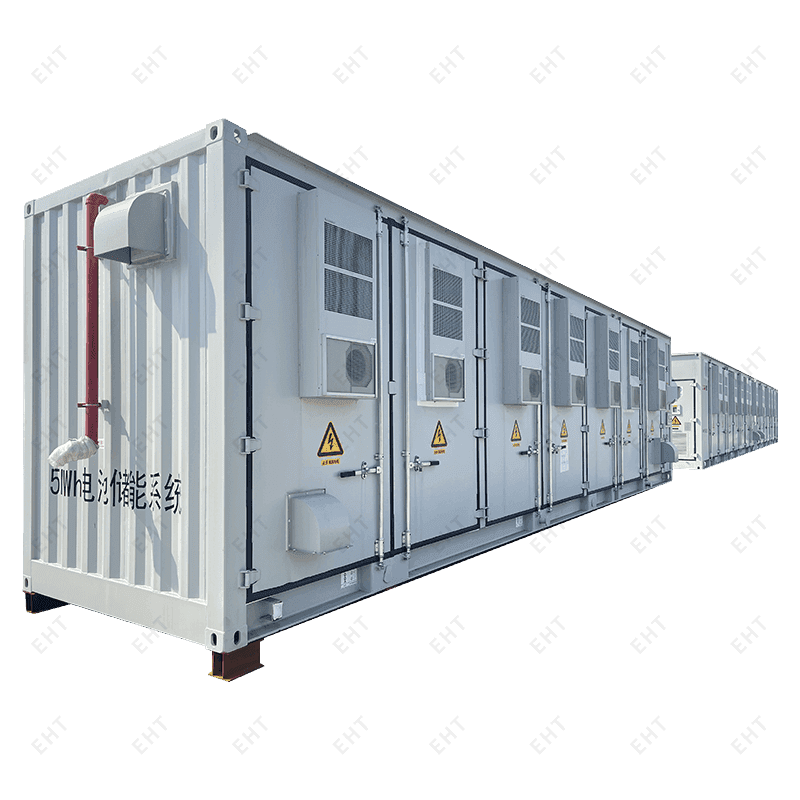 45ft Lithium and Sodium-Ion Storage Container for Large-Scale UseThis 45-foot container offers dual chemistry options—lithium (5 MWh) or sodium-ion (3.6 MWh) with air cooling—providing flexibility for large-scale dispatch and life-cycle cost management.View Product →
In practice, a containerized BESS from a manufacturer that controls the thermal, electrical, and structural integration can realistically expect 10 to 15 years of service at a daily cycle. The cell suppliers quote 6,000 to 8,000 cycles under ideal test conditions; the container system is what makes those ideal conditions repeatable in the field.
Owners can take concrete actions that add years to the asset. The following operational practices are the ones we see make the biggest difference in the field.
These practices do not require expensive upgrades; they require deliberate operating rules and a willingness to review the data. A project that follows them will typically see the original capacity threshold hit one or two years later than an identical system with no such discipline.
Even with perfect operation, every lithium-ion battery eventually reaches the point where its capacity is no longer economical for the application. In most containerized storage projects, end-of-life does not mean the whole container is discarded. The container, power conversion equipment, and structural components are designed to be retained; only the battery modules are replaced. This is a key reason to choose a supplier who keeps the battery compartment accessible and the electrical architecture modular.
When planning a storage investment, include a replacement budget for the battery modules at year 10 to 12. That means the financial model should treat the battery as a consumable, not as a 25-year asset. The container itself, with proper coating and structural certification, can outlive several battery generations. If you are evaluating a supplier, partner with a manufacturer that can provide both the enclosure and the integration knowledge, because that combination determines whether the replacement cycle is cheap and fast or expensive and slow.
Ask the system integrator for a capacity fade curve using your expected operating profile, not just the datasheet cycle number. That curve is the single most useful piece of information for comparing bids and setting realistic service expectations.

What to stay up to date?
Contact us via the email address below.
No. 178, Wuzhou East Road, Economic Development Zone, Yangzhou, Jiangsu.
Copyright 2024 Yangzhou Yichengke Integrated Technology Co., Ltd. All Rights Reserved.

