

 English
 русский
 Español
 عربى
عربى40ft Custom Air Compressor Container
Specialized Shipping Container | 40ft Custom Air Compressor ContainerOverall Dimensions: 12192 × 2438 × 2896mmLarge...
When a mining camp grows from 40 workers to 240 in a single season, the wastewater problem stops being an afterthought. A septic field cannot capture that load, and a permanent concrete treatment plant will not be finished before the next dry season. The practical answer is a containerised sewage treatment system that arrives on a truck, connects to power and pipes, and starts producing compliant effluent within days. That is the core reason many project owners now treat modular containerised units as the default option for remote and temporary sites.
Content
A containerised sewage treatment plant places the entire wastewater process inside a standard ISO shipping container. The tank, blowers, pumps, control panel, and disinfection equipment are factory-integrated. The internal layout is designed for access, so operators can inspect the aeration zone, clarifier, and dosing system without entering a confined space or digging up pipework.
Most systems use one of three biological core technologies: moving bed biofilm reactor (MABR), membrane bioreactor (MBR), or sequencing batch reactor (SBR). MABR is common in small plants because it is tolerant of load fluctuations. MBR delivers a higher effluent standard and a smaller physical footprint. SBR works well for batch discharges and variable flow rates.
The container itself is part of the treatment system, not just a cover. The steel frame provides structural support, and the insulation and climate control keep biological bacteria alive during cold nights or hot afternoons. Advanced units also include corrosion-resistant coatings and automated monitoring that allows remote staff to track water quality from a central office.
You do not buy a containerised plant because it looks modern. You buy it when a specific set of project constraints makes conventional construction unattractive. The most common scenarios are:
For a more detailed look at how these systems handle waste sea containers and similar mobile treatment units, this technical guide on waste sea containers and sewage treatment containers explains the design choices behind durable, transportable treatment units.
When you compare a containerised sewage treatment plant with the alternative of building a permanent treatment facility on site, the differences show up well before the first flush of wastewater arrives. The table below mirrors the practical decisions a procurement team has to weigh.
| Comparison factor | Containerised system | Conventional plant |
|---|---|---|
| Civil works | Minimal; only a concrete pad or level ground | Excavation, foundations, drainage, and roads |
| Delivery time | 6 to 12 weeks after factory testing | 12 to 24 months including design and permits |
| Footprint | One or a few ISO footprint modules | Large tank set plus open basins |
| Relocation | Lift on a truck and move to a new site | Not realistically movable |
| Upfront capital cost | Higher per unit of capacity | Lower for very large scale |
| Permit risk | Reduced because site workload is lower | Depends on local zoning and environmental review |
| Operator training | Simplified by factory automation | Requires more on-site commissioning |
The takeaway is not that containerised systems always win. For a city serving 200,000 residents, a conventional plant remains the logical choice. The containerised option becomes attractive when the scale is small, the project is temporary, the location is remote, or you need a fast start on a longer-term investment.
Several specifications determine whether a containerised sewage treatment system will actually deliver compliant effluent at your site. Relying on a generic sales sheet is not enough. Ask the manufacturer to confirm the following points in writing.
Know the chemical oxygen demand, biochemical oxygen demand, total suspended solids, ammonia nitrogen, and phosphorus levels of your raw sewage. A system designed for domestic sewage may struggle with high-strength industrial waste. Ask for the maximum design loads and the acceptable surge ratio.
Define the effluent quality you need to meet. The same container can be configured for different standards, but the residual risk depends on the margin between the system's tested performance and the local limit. Common discharge targets include irrigation reuse, surface water discharge, and municipal sewer discharge.
Check the operating temperature range, snow load, and wind rating. If the container will be used in a coastal or high-humidity environment, demand a coating system with proven salt resistance. For structural design, we apply AS/NZS 1170.2 wind and seismic assessment, and the container production line is calibrated to hold consistent mounting tolerances.
A reliable containerised plant is pre-assembled, pre-wired, and tested with water before it ships. The internal control panel should connect to pumps and blowers with labelled terminals so an electrician on site can finish the job in one day. This is one of the biggest time savings compared with field-built plants.
Ask for a visual layout of the tank, aeration diffusers, membrane cassettes, and dosing points. Operators need to reach each component for cleaning or replacement. Also confirm the supply chain for spare parts such as membranes, blowers, and sensors.
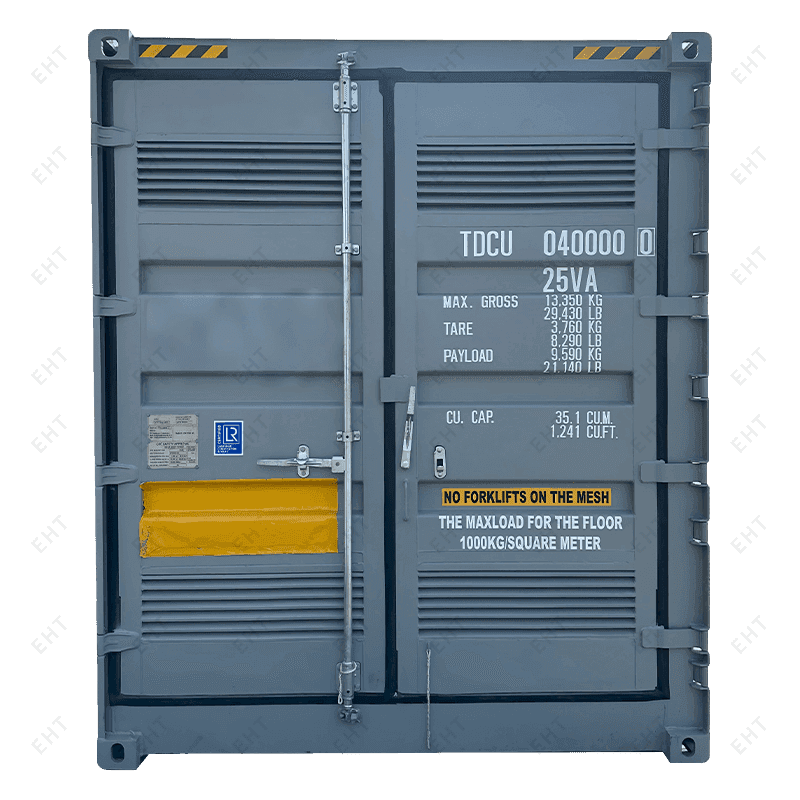
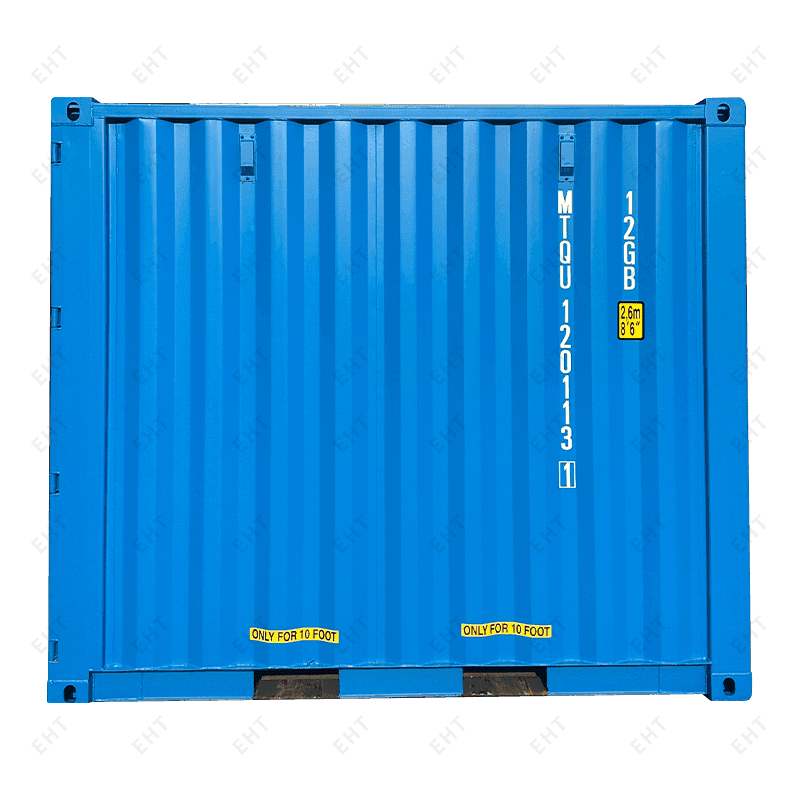
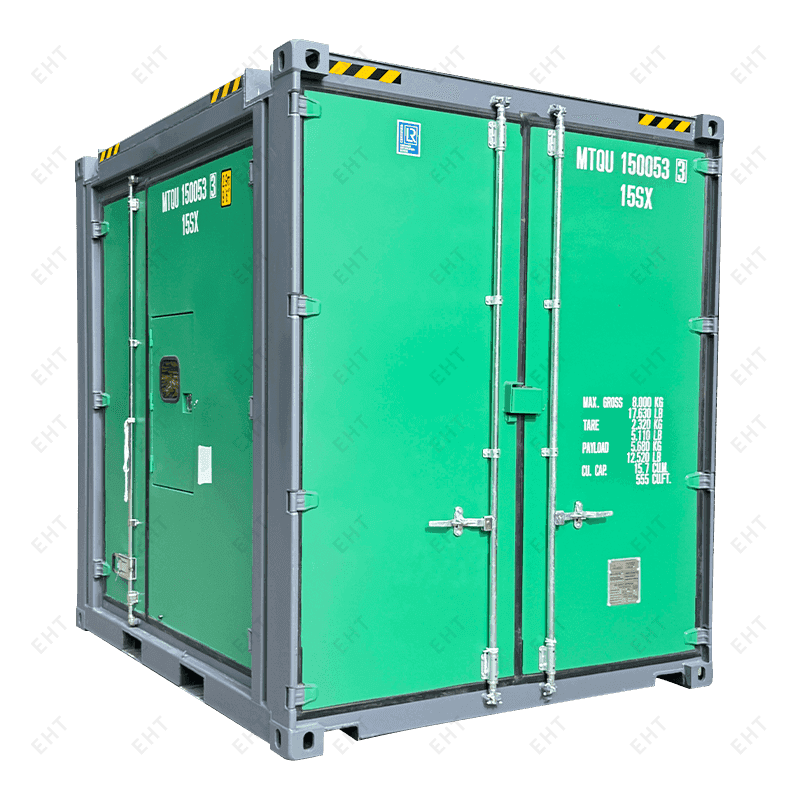
If you want to inspect a concrete example of a specialised sewage treatment tank container, the product card below shows a real unit from our customised equipment container line.
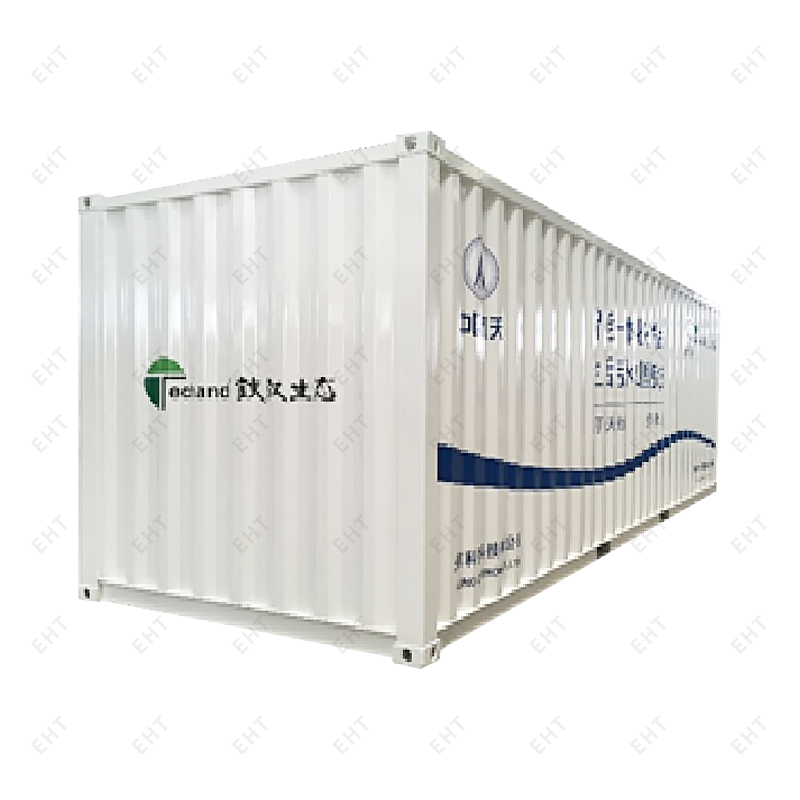 Specialized Sewage Treatment Tank Container for Mobile SitesThis containerized unit offers a multi-stage treatment process for organic matter, suspended solids, and nitrogen, making it a practical choice for temporary locations where a permanent plant would face construction and permit delays.View Product →
The decision often comes down to whether the capital premium for a containerised plant is offset by faster start and lower site construction cost. For a 50 to 200 m3/d system, the containerised plant typically costs more per cubic metre of treatment capacity than an open concrete basin. But that comparison ignores land preparation, concreting, pipework, commissioning, and the months of permit waiting that a permanent plant would require.
A practical way to model the investment is to break the project into three scenarios:
In all three cases, the containerised plant reduces the schedule risk. That is often more valuable than the raw capex figure, especially when a construction delay triggers penalties or lost production.
A containerised sewage treatment plant is not a decorative solution. It is a production tool. If your site is temporary, remote, or expanding in phases, the containerised approach gives you a level of asset control that a concrete plant never can. If your site is a large and permanent municipal installation, conventional construction may still win.
What you should look for in a supplier is not only the biological process behind the system. You should also look at the steelwork standard, the corrosion treatment, the factory test records, and the ability to rapidly relocate the unit if the ground conditions change. The right containerised sewage treatment system becomes a mobile asset that brings value back when the project no longer needs it.

What to stay up to date?
Contact us via the email address below.
No. 178, Wuzhou East Road, Economic Development Zone, Yangzhou, Jiangsu.
Copyright 2024 Yangzhou Yichengke Integrated Technology Co., Ltd. All Rights Reserved.

