

 English
 русский
 Español
 عربى
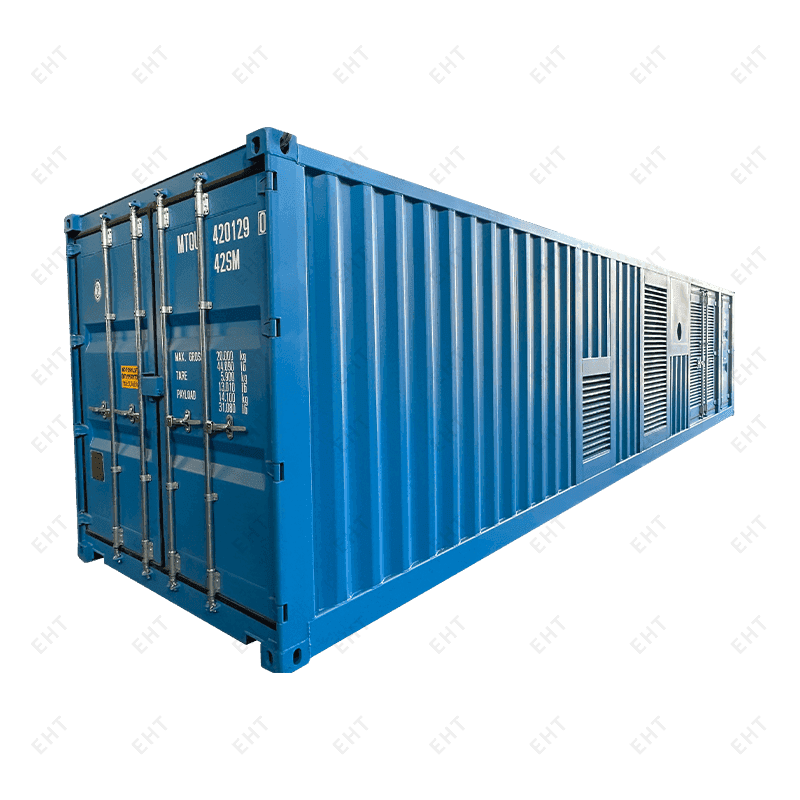
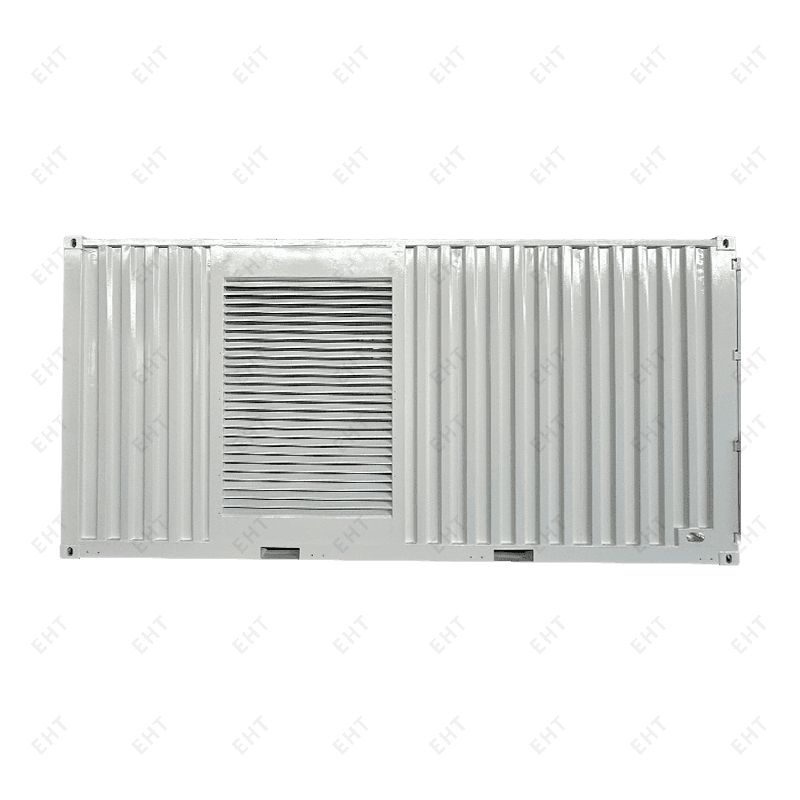
عربى40ft Custom Air Compressor Container
Specialized Shipping Container | 40ft Custom Air Compressor ContainerOverall Dimensions: 12192 × 2438 × 2896mmLarge...
Sourcing workforce housing or site offices for a large-scale project involves more than comparing sticker prices between suppliers. Freight costs, lead times, structural specifications, and configuration flexibility all factor into the true cost of a deployment, particularly for remote or offshore sites where every shipping container matters. The flat pack container has emerged as a preferred product category precisely because it addresses these procurement pain points directly. This article breaks down the construction, technical specifications, and sourcing considerations that matter most when evaluating a flat pack container manufacturer for a bulk order.
Content
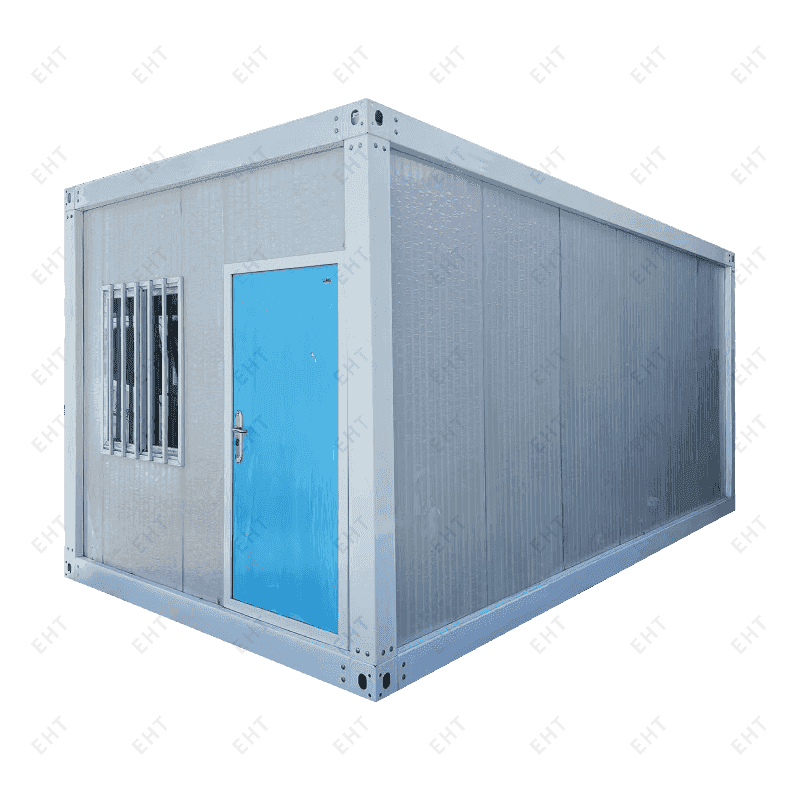
A flat pack container is built on a steel framework paired with a lightweight wall panel structure system, engineered around a single core principle: the entire unit can be disassembled into flat, stackable components for shipping and then reassembled on site. This differs fundamentally from a fully welded container house, which ships as one rigid box and consumes far more container space or deck area during transport regardless of how much interior air space goes unused.
On the production side, this means the steel frame uses bolted or pinned connection points instead of permanent welds, while wall, roof, and floor panels are manufactured as standardized, lightweight components designed to nest together for transport. This design choice directly reduces shipping volume per unit, which is one of the primary line items procurement teams are trying to control when sourcing bulk housing for remote or offshore projects.
For projects that require dozens or hundreds of units, such as mining camps, offshore platforms, or infrastructure builds in remote regions, shipping efficiency often determines project feasibility as much as unit price does. A traditional container house ships one unit per container or flatbed regardless of interior volume, while flat pack containers can be broken down and packed at a much higher density, fitting significantly more units into the same shipping container or vessel space.
This packing efficiency lowers per-unit freight costs on both land and offshore transportation routes, where container or deck space is billed at a premium. For procurement teams working against tight mobilization schedules, such as seasonal mining operations or phased infrastructure rollouts, the same efficiency also shortens the timeline from order placement to on-site assembly, which can be the deciding factor when a project's start date is fixed.
| Factor | Flat Pack Container | Traditional Container House |
| Shipping Density | High, stackable and compact | Low, one rigid unit per container |
| Assembly Method | Bolted panel and frame system | Pre-welded, fixed structure |
| Cost-Performance Ratio | Higher, due to freight savings | Lower, freight-heavy |
| Sizing Flexibility | Modular, combinable configurations | Fixed to standard container dimensions |
| Delivery Speed | Faster, due to production and shipping efficiency | Slower, limited by rigid unit shipping |
One of the most practical advantages of the flat pack system is that units can be combined into varied configurations without redesigning the core structure. Because the wall panels and steel frame follow standardized dimensions, individual units can be joined side by side, stacked vertically, or arranged into larger clusters to accommodate different group sizes and functional layouts, from single-occupant worker accommodations to multi-room administrative offices or guest units for hospitality projects.
For procurement teams managing projects with headcounts that scale up or down across different phases, this modularity is a meaningful advantage over fixed-size container houses. Additional units can be ordered and integrated into an existing layout later in the project without replacing or redesigning the original installation, which reduces both capital risk and planning complexity for multi-year deployments.
Order volume for flat pack units is concentrated in a handful of sectors, each with somewhat different priorities when specifying units.
Across these sectors, the combination of transport efficiency and configurable sizing is consistently the deciding factor in specifying flat pack containers over both traditional container houses and conventional modular building systems.
Choosing the right manufacturer requires comparing more than base unit price. Procurement teams should request documentation on the following specifications before finalizing an order.
Beyond product specifications, the manufacturer's operational capacity has a direct bearing on whether an order will arrive on schedule. Production lead time and current factory capacity should be confirmed against the buyer's mobilization date, particularly for large orders that may compete with other clients' production slots. It is also worth asking how many flat pack units the manufacturer can typically fit per standard shipping container or vessel load, since this figure varies between suppliers depending on panel design and packing method, and directly affects the freight quote a buyer will receive from their logistics provider.
On-site assembly requirements deserve equal attention. Some flat pack systems can be erected by a standard labor crew using basic tools, while others require specialized equipment or manufacturer-trained technicians. Clarifying this in advance avoids delays once units arrive at the project site, especially in remote locations where mobilizing specialized labor can take considerably longer than the shipment itself.
When comparing total project cost rather than unit price alone, flat pack containers frequently deliver a stronger cost-performance ratio than traditional container houses, primarily due to freight savings from their compact shipping profile. For a project requiring dozens or hundreds of units, the cumulative reduction in shipping container or vessel space required can represent a substantial share of overall project savings, often outweighing any marginal difference in per-unit manufacturing cost.
Combined with shorter production-to-delivery cycles now offered by many flat pack manufacturers, buyers gain both a lower landed cost and a faster path to project completion, two factors that carry significant weight in procurement decisions where budget and timeline pressures are closely linked.
Flat pack containers offer a practical evolution in modular building design, addressing the shipping and cost limitations that have historically constrained traditional container housing. Buyers sourcing accommodations for mobile camps, remote worksites, or outdoor hospitality projects stand to gain the most by working with a manufacturer that can document efficient packing design, flexible modular sizing, and dependable delivery performance before an order is placed.

What to stay up to date?
Contact us via the email address below.
No. 178, Wuzhou East Road, Economic Development Zone, Yangzhou, Jiangsu.
Copyright 2024 Yangzhou Yichengke Integrated Technology Co., Ltd. All Rights Reserved.

