

 English
 русский
 Español
 عربى
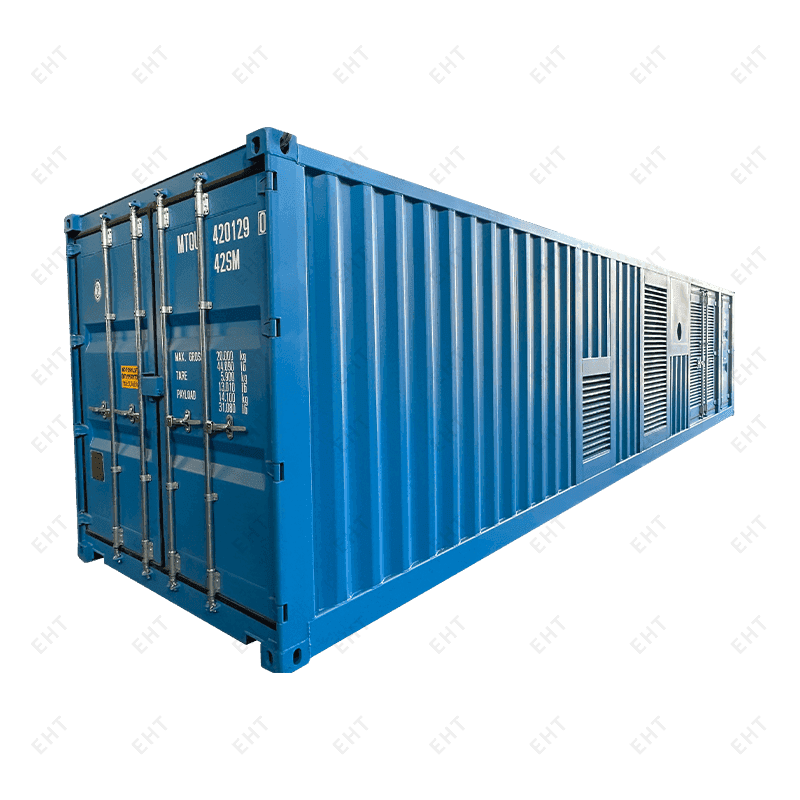
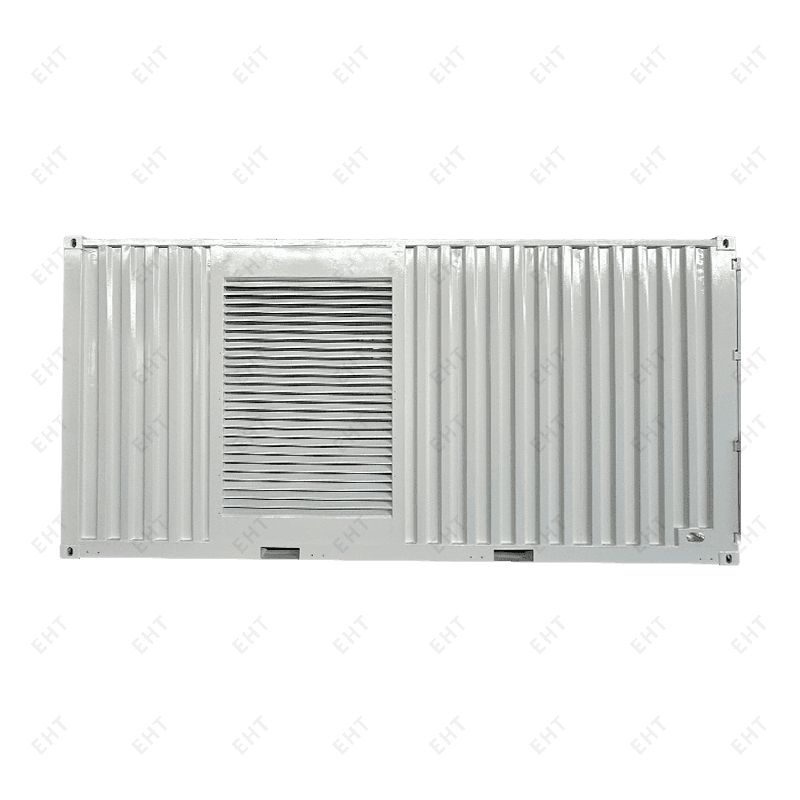
عربى40ft Custom Air Compressor Container
Specialized Shipping Container | 40ft Custom Air Compressor ContainerOverall Dimensions: 12192 × 2438 × 2896mmLarge...
Content
Reducing shipping costs begins with selecting the right bulk cargo container for your freight. Bulk cargo containers are designed to handle loose, unpackaged goods such as grains, minerals, chemicals, or industrial materials. Choosing an appropriate container type, size, and specification ensures cargo safety, improves handling efficiency, and directly impacts transportation costs.
Proper container selection minimizes empty space, reduces labor requirements, and prevents damage-related losses. Containers optimized for specific cargo types allow shippers to fully utilize volume and weight capacity, lowering the cost per shipment.
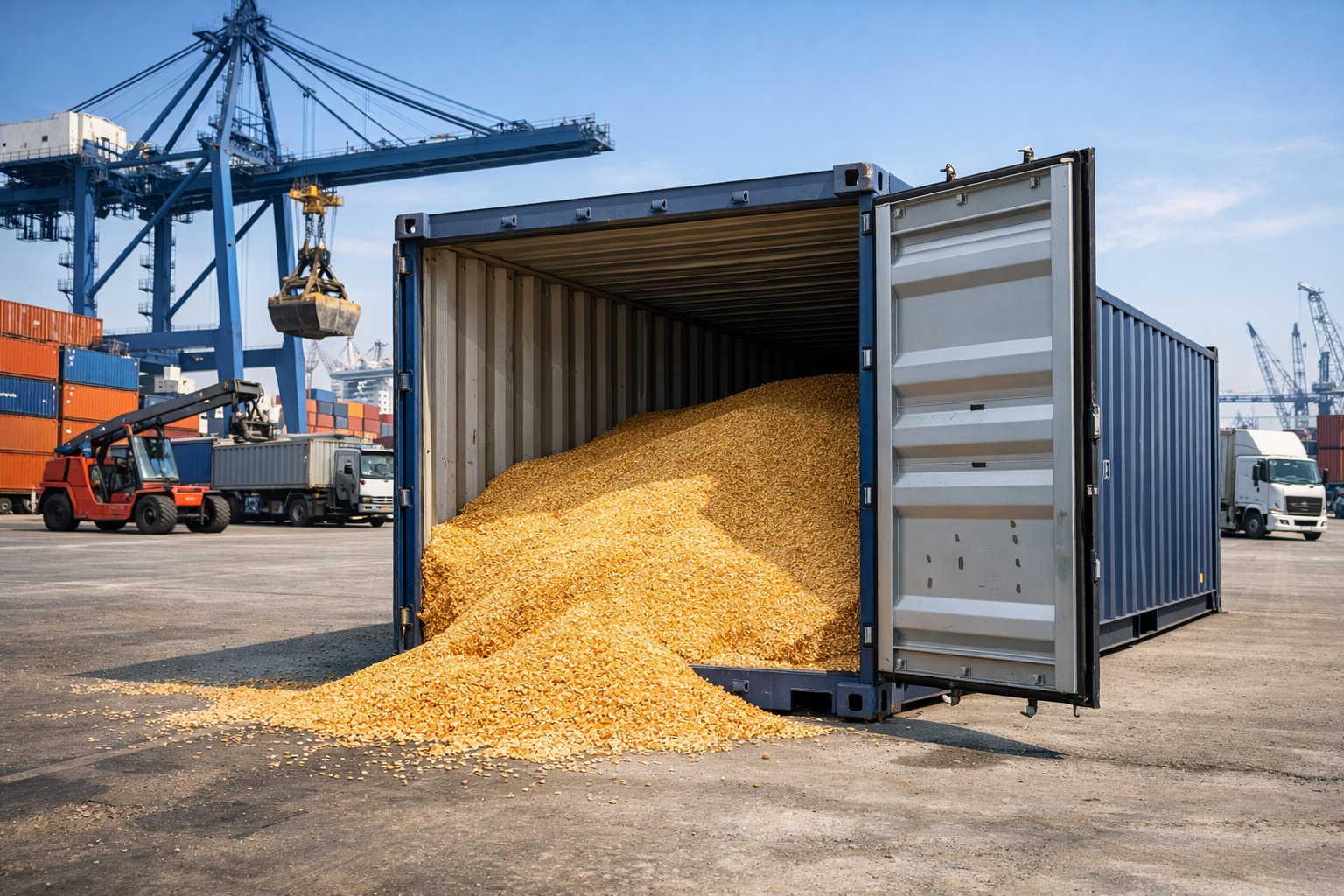
Understanding the different types of bulk cargo containers is essential to reducing shipping costs. Each type has specific advantages depending on cargo characteristics and transport conditions.
Dry bulk containers are ideal for commodities such as grains, powders, and pellets. They feature smooth interiors for easy unloading and specialized hatches for rapid loading. Using the correct dry bulk container maximizes space utilization and reduces transit time.
Liquid bulk containers, such as ISO tank containers, are designed for transporting chemicals, oils, or beverages. Choosing the right tank container ensures material compatibility, prevents leaks, and reduces the risk of product loss or contamination.
Oversized or irregularly shaped cargo often requires open top or specialized containers. Correct sizing and design reduce handling complexity, prevent damage, and lower shipping costs by minimizing labor and equipment use.
Several factors influence whether a bulk cargo container delivers cost-efficient shipping. Attention to these factors ensures maximum load efficiency, reduced handling, and minimal damage.
Selecting a container suited to cargo type and volume is critical. Dense materials need reinforced floors, while powders benefit from smooth surfaces. Matching container size to volume avoids partial shipments and reduces cost per unit.
Choosing the right container size prevents underloading or overloading. Efficient loading reduces labor, port fees, and the total number of trips, lowering overall transportation costs.
Using containers that meet international ISO and regulatory standards reduces fines, delays, and insurance costs. Certified containers provide predictable performance and safe transit, further supporting cost reduction.
In addition to container selection, operational strategies further enhance cost savings by improving container utilization and minimizing transit risks.
Evaluating container specifications is crucial for maximizing cost savings. Weight capacity, durability, and operational features must align with cargo and shipping requirements.
|
Specification |
Importance for Cost Reduction |
|
Container Capacity |
Maximizes load per trip, reducing total number of shipments |
|
Structural Strength |
Prevents cargo damage, lowering insurance and replacement costs |
|
Ease of Loading/Unloading |
Reduces labor hours and port handling fees |
|
Regulatory Compliance |
Prevents fines and shipment delays at ports |
Reducing shipping costs with bulk cargo containers requires careful selection of container type, size, and specifications, combined with efficient operational practices. Optimizing container utilization, matching containers to cargo characteristics, and adhering to regulatory standards all contribute to lower shipping expenses.
By focusing on cargo compatibility, loading efficiency, and operational strategy, shippers can significantly reduce per-unit shipping costs, protect cargo, and streamline the supply chain for both domestic and international transport.

What to stay up to date?
Contact us via the email address below.
No. 178, Wuzhou East Road, Economic Development Zone, Yangzhou, Jiangsu.
Copyright 2024 Yangzhou Yichengke Integrated Technology Co., Ltd. All Rights Reserved.

