

 English
 русский
 Español
 عربى
عربى40ft Custom Air Compressor Container
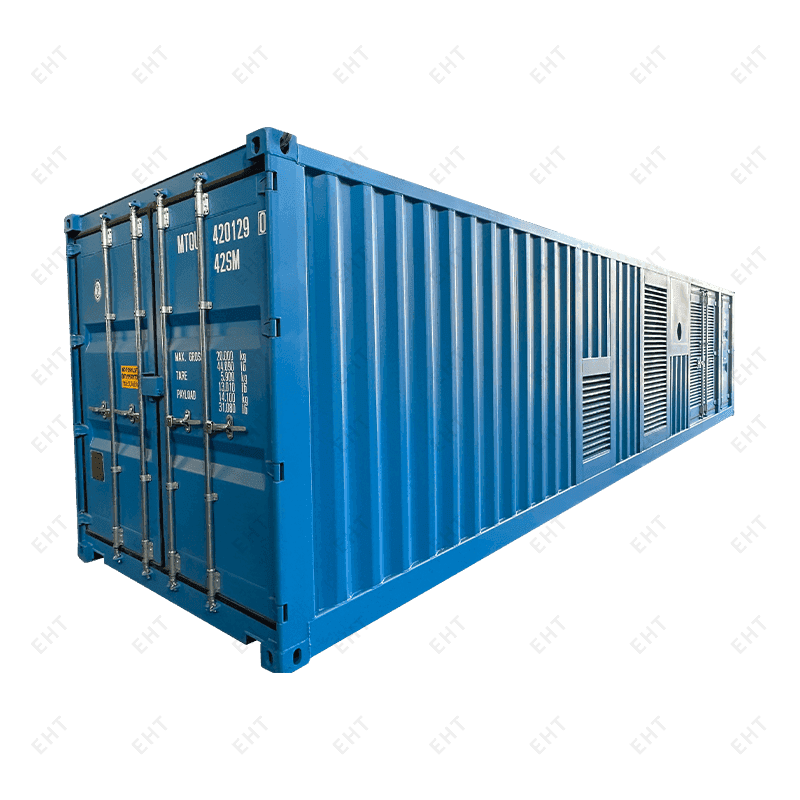
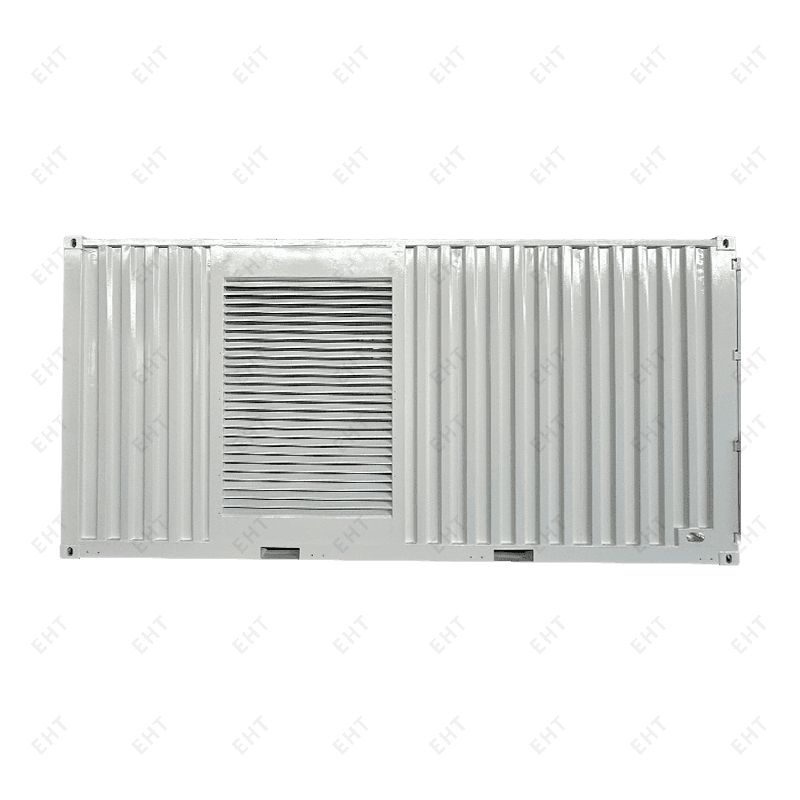
Specialized Shipping Container | 40ft Custom Air Compressor ContainerOverall Dimensions: 12192 × 2438 × 2896mmLarge...
Content
A reefer container — short for refrigerated container — is a temperature-controlled intermodal shipping unit designed to transport perishable and temperature-sensitive cargo across long distances. Unlike a standard dry cargo container, a reefer container is equipped with an integrated mechanical refrigeration system that actively maintains a precise internal temperature throughout the entire journey, whether by sea, rail, or road. These containers are essential to the global cold chain, enabling the international trade of fresh produce, pharmaceuticals, dairy products, seafood, meat, and a wide range of chemicals that would degrade or become unsafe outside a controlled temperature environment.
Reefer containers are built to the same external dimensions as standard ISO shipping containers, making them fully compatible with existing port infrastructure, container ships, and intermodal transport systems. However, the internal space is slightly reduced due to the insulated wall panels and refrigeration machinery installed at one end of the unit. This trade-off between insulation thickness and usable cargo space is a key engineering consideration that varies by manufacturer and container type.
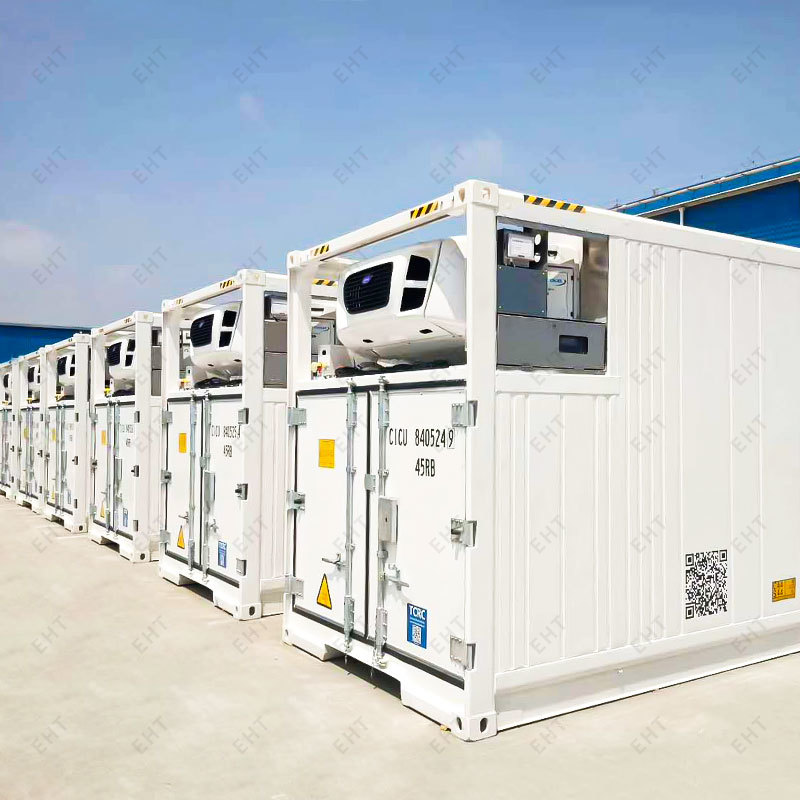
Reefer containers are manufactured in several standard sizes, with the 20-foot and 40-foot variants being the most commonly used in global shipping. A high-cube version of the 40-foot unit is also widely available, offering additional vertical clearance that is particularly useful for bulky or palletized cargo. The dimensions below reflect typical industry-standard specifications, though minor variations exist between manufacturers such as Carrier, Thermo King, and Daikin.
| Specification | 20ft Reefer | 40ft Reefer | 40ft High-Cube Reefer |
| External Length | 6.058 m (19'10") | 12.192 m (40'0") | 12.192 m (40'0") |
| External Width | 2.438 m (8'0") | 2.438 m (8'0") | 2.438 m (8'0") |
| External Height | 2.591 m (8'6") | 2.591 m (8'6") | 2.896 m (9'6") |
| Internal Length | ~5.444 m (17'10") | ~11.580 m (38'0") | ~11.580 m (38'0") |
| Internal Width | ~2.286 m (7'6") | ~2.286 m (7'6") | ~2.286 m (7'6") |
| Internal Height | ~2.250 m (7'5") | ~2.250 m (7'5") | ~2.550 m (8'4") |
| Payload Capacity | ~27,700 kg | ~27,700 kg | ~29,000 kg |
| Internal Volume | ~28 m³ | ~60 m³ | ~67 m³ |
It is important to note that the internal dimensions of a reefer container are noticeably smaller than those of an equivalent standard dry container. This reduction is caused by the thick polyurethane foam insulation panels lining all six walls, typically 100 to 120 mm thick, as well as the refrigeration machinery unit mounted at the front end of the container. Shippers must account for this reduced internal footprint when calculating cargo loading plans and pallet configurations.
The refrigeration system inside a reefer container operates on the same basic vapor-compression cycle used in household refrigerators and commercial freezer units, but engineered to a far greater scale and robustness to withstand the harsh conditions of long ocean voyages, road transport, and rail movement. Understanding how the system functions helps shippers and logistics operators make better decisions about cargo loading, temperature settings, and preventive maintenance.
The refrigeration unit cycles refrigerant continuously through four key stages to extract heat from inside the container and expel it outside:
This cycle repeats continuously, with the controller unit adjusting compressor speed and refrigerant flow to maintain the exact set-point temperature regardless of external ambient conditions, which can range from extreme tropical heat to sub-zero polar cold during a single voyage.
Efficient airflow is just as important as the refrigeration cycle itself. Reefer containers use a bottom-air-delivery system, where cooled air is blown under a T-bar aluminum floor and forced upward through the cargo. This design ensures that cold air circulates evenly around all cargo units, eliminating hot spots and preventing the temperature differential between the front and rear of the container from exceeding acceptable limits. Proper cargo stacking that maintains airflow channels is critical — blocking the floor vents or packing cargo too tightly against the walls can compromise temperature uniformity across the entire load.
Modern reefer containers are capable of maintaining temperatures across an exceptionally wide range, making them suitable for a diverse spectrum of cargo types. Most units can operate between -30°C (-22°F) and +30°C (+86°F), with some specialized pharmaceutical-grade units capable of maintaining temperatures as precise as +2°C to +8°C with a tolerance of less than ±0.5°C.
The onboard microprocessor controller allows operators to set and monitor temperature parameters in real time. Many modern reefer units also support controlled atmosphere (CA) technology, which regulates not just temperature but also the levels of oxygen, carbon dioxide, and nitrogen inside the container. This is particularly valuable for shipping fresh fruit, where slowing the respiration rate of the produce can extend shelf life by weeks beyond what refrigeration alone can achieve.
A reefer container requires a continuous power supply to run its refrigeration system. The source of this power changes depending on where the container is in the transport chain:
Power interruptions are one of the most serious risks in reefer cargo management. Even a few hours without power can cause temperature excursions that render an entire shipment unsalvageable, particularly for frozen seafood or temperature-sensitive vaccines. Most modern reefer units include battery backup systems and remote monitoring capabilities that alert operators immediately when a power fault occurs.
The range of goods transported in reefer containers is broader than many people realize. While fresh produce and frozen meat are the most visible cargo types, the pharmaceutical, chemical, and specialty food industries also rely heavily on reefer capacity:
Choosing the right reefer container and managing it effectively requires attention to several practical details that go beyond simply setting a temperature:
Understanding reefer container dimensions and the mechanics of how they maintain temperature gives shippers a practical foundation for making smarter decisions about cold chain logistics, cargo preparation, and risk management throughout the entire shipping journey.

What to stay up to date?
Contact us via the email address below.
No. 178, Wuzhou East Road, Economic Development Zone, Yangzhou, Jiangsu.
Copyright 2024 Yangzhou Yichengke Integrated Technology Co., Ltd. All Rights Reserved.

