Content
- 1 Overview of the 40H Food Reefer Container
- 2 Advanced Refrigeration System
- 3 High-Performance Insulation Technology
- 4 Climate Control Mechanisms
- 5
- 6 Automated Monitoring and Remote Management
- 7 Energy Efficiency and Reliability
- 8 Structural Design for Optimal Airflow
- 9 Performance Metrics and Quality Assurance
- 10 Maintenance and Operational Best Practices
- 11 Conclusion: Achieving Precise Temperature and Stable Climate
Overview of the 40H Food Reefer Container
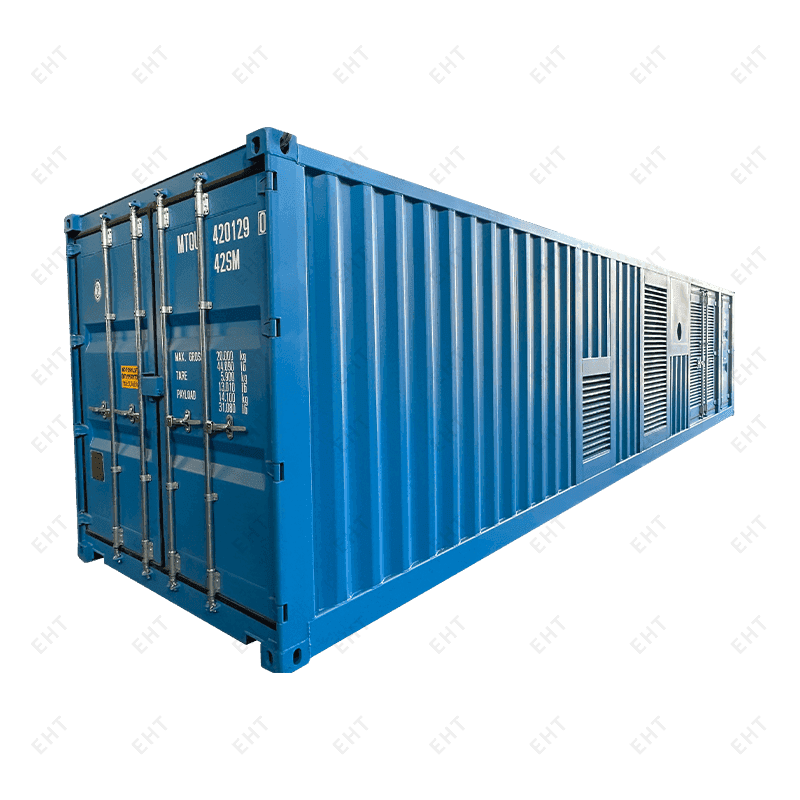
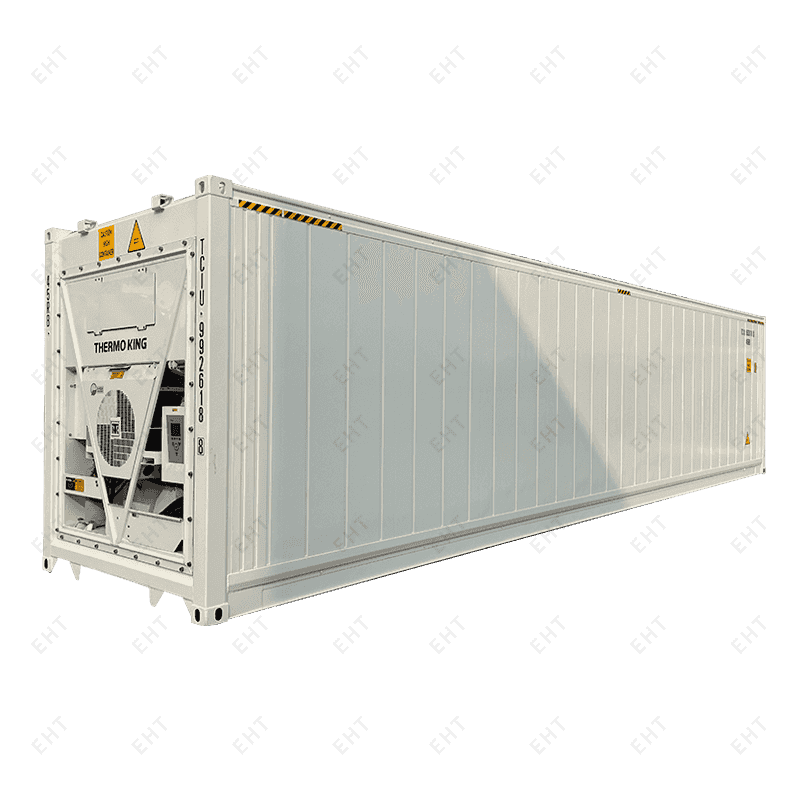
The 40H food reefer container is designed to transport perishable goods over long distances while maintaining precise temperature and a controlled climatic environment. Its high-cube structure provides additional storage space without compromising thermal efficiency. By integrating advanced refrigeration systems, insulation technology, and environmental monitoring, the 40H reefer container ensures that fruits, vegetables, meat, seafood, and pharmaceuticals remain fresh throughout the transportation process.
Advanced Refrigeration System
At the core of the 40H food reefer container is a sophisticated refrigeration system capable of precise temperature regulation. Key features include:
- Variable speed compressors: Adjust cooling power according to real-time load conditions, preventing temperature fluctuations.
- Electronic expansion valves (EEVs): Fine-tune refrigerant flow into the evaporator, ensuring uniform cooling and reduced energy consumption.
- Multi-zone airflow management: Evenly distributes cold air throughout the container, eliminating hot spots and ensuring consistent product quality.
- Integrated temperature sensors: Continuously monitor internal temperature and humidity, providing feedback for automatic adjustments.
High-Performance Insulation Technology
Maintaining a stable temperature begins with superior insulation. The 40H reefer container employs:
- Polyurethane foam panels: Low thermal conductivity ensures minimal heat transfer from the external environment.
- Thermal breaks: Structural components include breaks that prevent conductive heat transfer through the container walls.
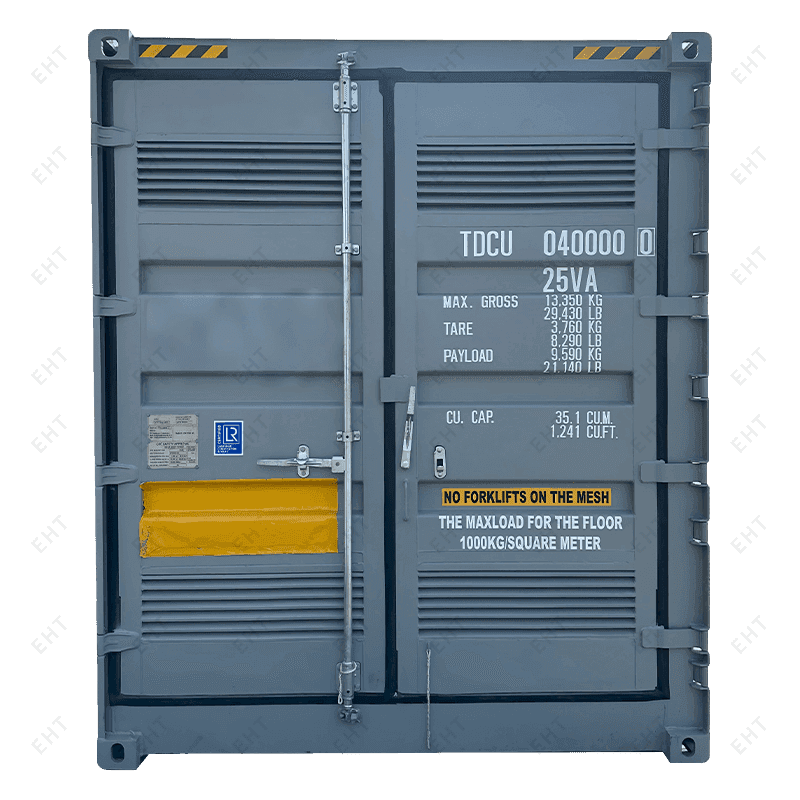
- Sealed door gaskets: High-quality seals reduce air leakage, maintaining temperature stability even during frequent loading and unloading.
Climate Control Mechanisms
Beyond refrigeration, controlling humidity and air quality is essential for sensitive cargo. The 40H container achieves this through:
- Humidity regulation: Advanced sensors adjust airflow and moisture removal to maintain optimal humidity for perishable goods.
- Air circulation fans: Strategically positioned to prevent localized condensation and ensure uniform cooling.
- Fresh air injection: Optional ventilation systems introduce controlled fresh air to prevent ethylene accumulation in fruit transport.
Automated Monitoring and Remote Management
Precision temperature control is enhanced by integrated monitoring systems. Features include:
- Real-time temperature and humidity logging with digital displays for immediate feedback.
- Remote monitoring via IoT-enabled sensors, allowing operators to track conditions during transit.
- Automated alarms for deviations from preset thresholds, prompting corrective action without manual intervention.
Energy Efficiency and Reliability
The 40H food reefer container incorporates energy-efficient components to minimize operational costs while maintaining environmental stability:
- High-efficiency compressors and motors reduce energy consumption.
- Intelligent thermostatic control prevents overcooling, balancing energy usage with temperature requirements.
- Redundant systems and robust construction ensure uninterrupted operation even under extreme weather conditions.
Structural Design for Optimal Airflow
The interior design of the 40H container promotes consistent air circulation:
- Vertical and horizontal baffles guide airflow, preventing cold or warm zones.
- Raised floors and perforated pallets allow cold air to reach lower cargo layers.
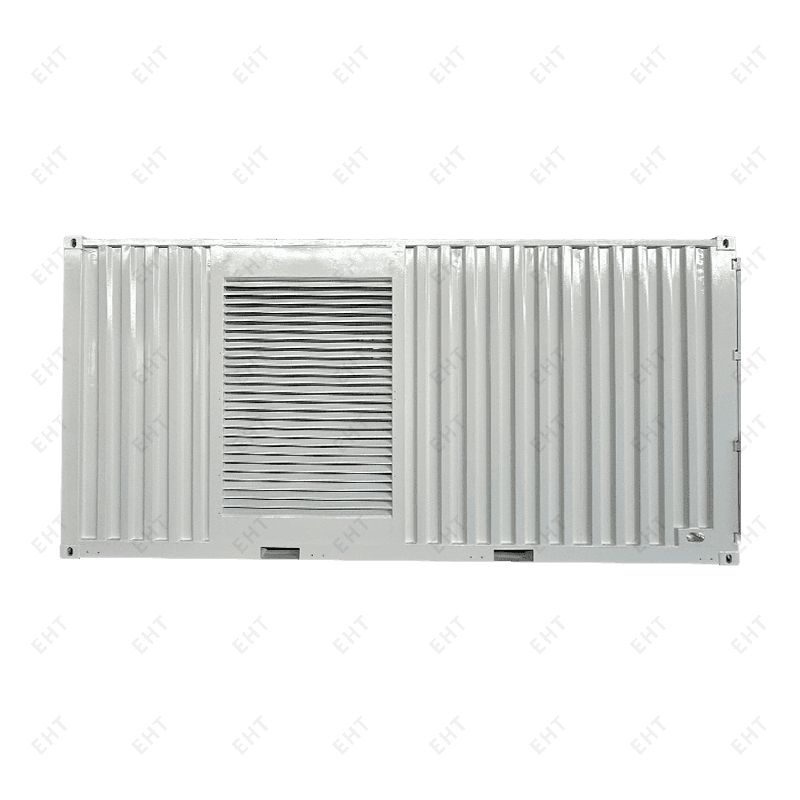
- Customizable air vents enable adjustment according to cargo type and density.
Performance Metrics and Quality Assurance
The effectiveness of the 40H food reefer container is measured through:
| Metric | Specification | Benefit |
| Temperature Range | -25°C to +25°C | Supports transport of frozen, chilled, and ambient goods |
| Humidity Control | 50–95% RH adjustable | Prevents dehydration or spoilage of sensitive produce |
| Airflow Rate | Customizable per cargo type | Ensures uniform temperature distribution |
| Power Efficiency | High-efficiency compressors and motors | Reduces operating costs and environmental impact |
Maintenance and Operational Best Practices
Regular maintenance is essential for maintaining precision temperature control:
- Routine inspection of seals, refrigeration lines, and airflow systems.
- Periodic cleaning of evaporators, condensers, and fans to prevent blockages.
- Calibration of sensors to ensure accurate temperature and humidity readings.
- Monitoring energy consumption to detect inefficiencies early.
Conclusion: Achieving Precise Temperature and Stable Climate
The 40H food reefer container combines advanced refrigeration technology, high-performance insulation, precise airflow management, and automated monitoring to achieve exceptional temperature control and maintain a stable climate. By addressing key factors such as humidity, airflow, and energy efficiency, these containers ensure perishable goods arrive fresh and safe, supporting global supply chains and minimizing product loss. A holistic understanding of these mechanisms enables operators to optimize transport conditions and protect high-value cargo effectively.