

 English
 русский
 Español
 عربى
عربى40ft Custom Air Compressor Container
Specialized Shipping Container | 40ft Custom Air Compressor ContainerOverall Dimensions: 12192 × 2438 × 2896mmLarge...
Content
The 40-feet ocean specialized shipping container has become a critical component of modern maritime logistics due to its standard dimensions, structural durability, and adaptability to various cargo types. Designed specifically for ocean transport, these containers meet strict international standards to ensure safety, stability, and protection of goods during long-distance shipping.
Understanding the features and advantages of these containers enables shipping companies, logistics planners, and cargo owners to optimize their operations, reduce costs, and minimize potential damage to cargo in ocean environments.
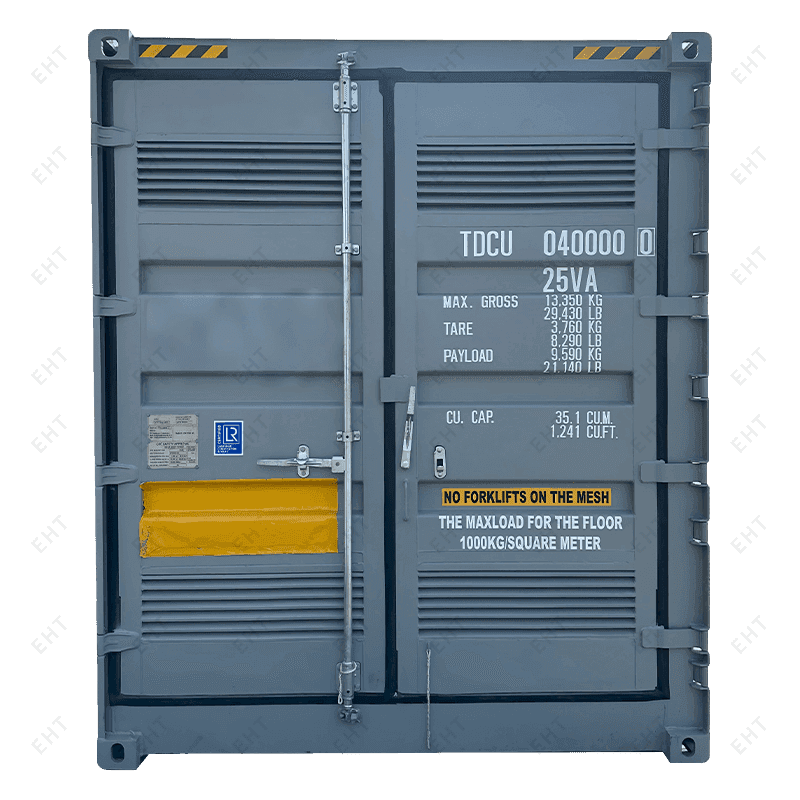
The standard 40-feet container measures approximately 12.19 meters in length, 2.44 meters in width, and 2.59 meters in height. These dimensions allow for optimal stacking and transport on container ships, rail cars, and trucks. The container’s design provides a maximum gross weight of around 30,480 kilograms, enabling it to carry heavy and bulky goods efficiently.
These containers are constructed using high-quality corten steel, which offers exceptional resistance to corrosion, harsh weather conditions, and mechanical stress. The steel structure, combined with reinforced corner posts and floors, ensures that the container maintains its integrity even during turbulent ocean conditions. Wooden or steel floors are often treated to withstand moisture, fungi, and heavy loads.
The 40-feet ocean containers are designed to be watertight and airtight. Rubber seals on doors prevent water and air infiltration, protecting cargo from seawater, humidity, and dust. This sealing capability is crucial for shipping perishable goods, electronics, and other sensitive items.
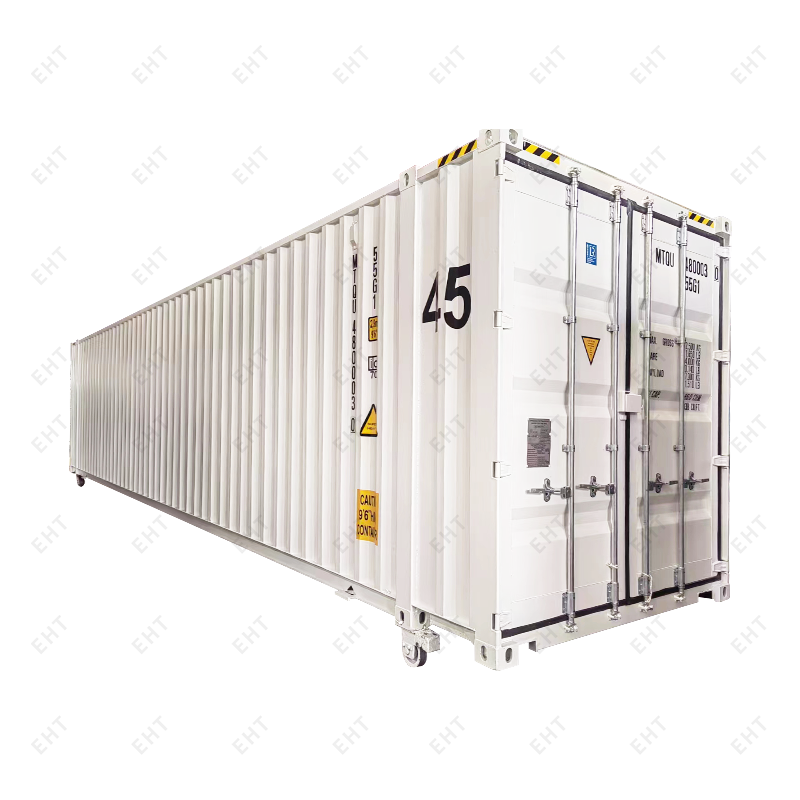
The uniform dimensions and reinforced corner fittings of 40-feet containers allow them to be stacked securely on container ships. Intermodal compatibility ensures that containers can be easily transferred between ships, trains, and trucks without repacking, reducing handling time and costs.
Ocean containers are equipped with robust locking mechanisms, corner castings, and optional tamper-proof seals. These security features reduce the risk of theft or unauthorized access during transit. Furthermore, their rigid structure protects cargo from impacts, shifting, and rough handling at ports and terminals.
40-feet containers can transport dry cargo, refrigerated goods, liquids, and bulk materials depending on the configuration. Variants such as high-cube, refrigerated, or ventilated containers allow businesses to transport temperature-sensitive, perishable, or specialized items efficiently while maintaining product quality and integrity.
| Feature | 20-Feet Container | 40-Feet Standard Container | High-Cube 40-Feet Container |
| Length | 6.06 m | 12.19 m | 12.19 m |
| Height | 2.59 m | 2.59 m | 2.89 m |
| Max Gross Weight | 24,000 kg | 30,480 kg | 30,480 kg |
| Cargo Types | Dry goods | Dry goods, refrigerated, bulk | Dry goods, refrigerated, bulk |
To ensure longevity and safe transport, containers should be inspected regularly for structural damage, corrosion, seal integrity, and floor condition. Prompt maintenance prevents cargo loss and maintains compliance with shipping regulations.
Proper weight distribution and secure cargo fastening are essential to avoid shifting during ocean transit. Overloading or uneven distribution can compromise container stability and safety at sea.
The 40-feet ocean specialized shipping container is a highly versatile, durable, and secure solution for international maritime logistics. Its standardized design, robust construction, and adaptability to various cargo types make it indispensable in global trade. By understanding its features, advantages, and handling requirements, businesses can optimize shipping efficiency, reduce costs, and ensure the safe delivery of goods across oceans.
Selecting the right container type is crucial for logistics success. The 40-feet ocean container’s combination of size, strength, and flexibility provides unmatched reliability for long-distance shipping while supporting a wide range of cargo demands.

What to stay up to date?
Contact us via the email address below.
No. 178, Wuzhou East Road, Economic Development Zone, Yangzhou, Jiangsu.
Copyright 2024 Yangzhou Yichengke Integrated Technology Co., Ltd. All Rights Reserved.

