

 English
 русский
 Español
 عربى
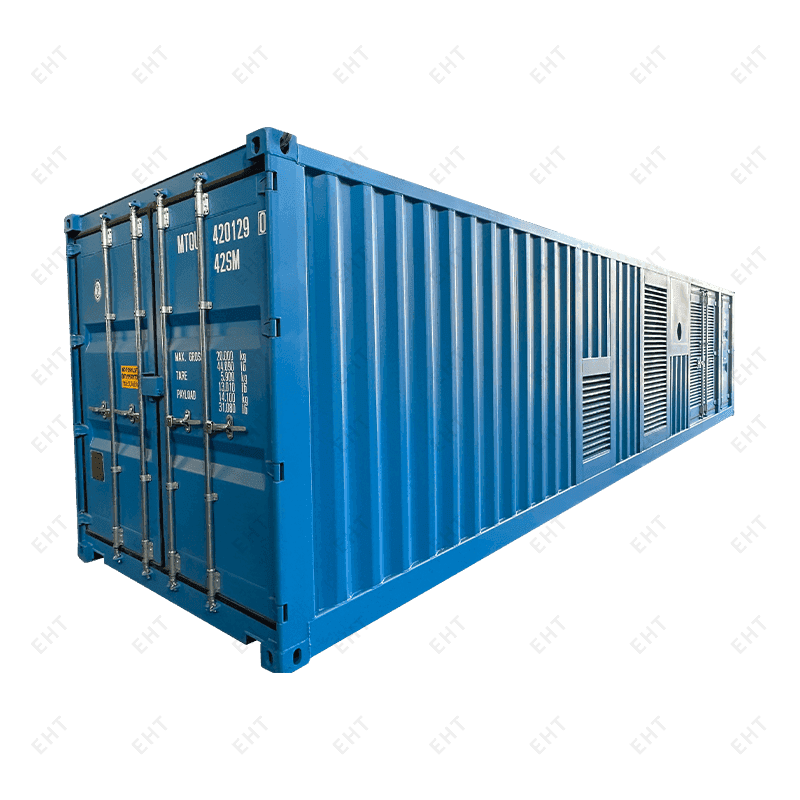
عربى40ft Custom Air Compressor Container
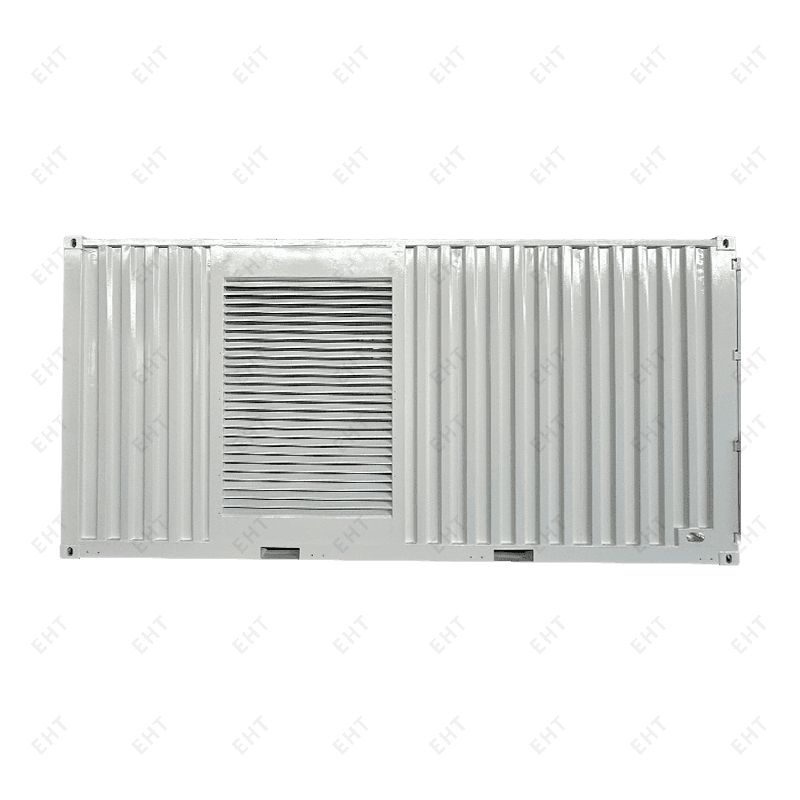
Specialized Shipping Container | 40ft Custom Air Compressor ContainerOverall Dimensions: 12192 × 2438 × 2896mmLarge...
Content
A hydrogen production container typically falls into one of two functional categories, and the distinction matters far more than it might first appear. The main system container houses the electrolyzer stack along with the gas separation and drying units that process hydrogen directly, meaning this container's internal environment needs to be treated as a hazardous gas zone with corresponding ventilation, gas detection, and explosion-proof electrical fittings throughout. The auxiliary system container, by contrast, holds supporting equipment such as air compressors and power distribution rooms, which generally do not handle hydrogen gas directly and can therefore follow a less restrictive electrical classification, provided the layout genuinely keeps hydrogen-bearing equipment out of that space.
Manufacturers who blur this separation, for instance by routing hydrogen piping through the auxiliary container as a shortcut to save steel structure or piping length, effectively extend the hazardous zone into a space that was designed and certified under a lower risk classification. This is one of the more common design shortcuts that creates compliance gaps later during third-party certification or insurance underwriting review, since the actual as-built piping routing may not match what the original hazardous area classification drawing assumed.
The physical boundary between hazardous and non-hazardous zones inside a hydrogen container system is not always the container wall itself; it can extend a defined radius around any point where hydrogen gas could potentially vent or leak, including flange connections, valve stems, and vent stacks. Mapping this boundary accurately during the container layout stage, rather than defaulting to a generic zone classification applied uniformly across the whole skid, allows electrical and instrumentation selection to be optimized for cost in genuinely low-risk areas while maintaining full explosion-proof compliance exactly where it is needed.
Hydrogen's low density and high diffusivity mean it behaves very differently from heavier gases when it comes to designing container ventilation. Because hydrogen rises and accumulates near ceiling level rather than pooling at floor height the way heavier hydrocarbon vapors might, ventilation outlets and gas detectors need to be positioned near the top of the container's internal space to catch any leak before it reaches a concentration where forced ventilation and detection response time become critical. A ventilation system designed with detector placement borrowed from a different gas industry's standard practice, without adjusting for hydrogen's buoyancy, can leave a container under-monitored at exactly the location where a leak would first become detectable.
Natural ventilation through roof-mounted louvers or vents can handle steady-state background ventilation needs in many designs, but forced ventilation with a defined air change rate is generally required to address a worst-case leak scenario within an acceptable response time. Sizing the forced ventilation capacity against a specific assumed leak rate, rather than an arbitrary air-change-per-hour figure carried over from a previous project, ensures the ventilation system's actual performance matches the hazard it is meant to mitigate for that specific electrolyzer or compressor loading.
Water electrolysis and methane reforming hydrogen production routes place different demands on the containers that house them, and a manufacturer working across both technologies needs distinct design approaches rather than a single generic hydrogen container template.
| Consideration | Water Electrolysis Systems | Methane Reforming Systems |
| Primary thermal load | Moderate, from electrolyzer stack and rectifier heat | High, from reformer furnace and process heat exchange |
| Additional gas hazards | Oxygen off-gas requires separate venting consideration | Natural gas feed and CO/CO2 process streams add hazard categories |
| Electrical load profile | High DC power distribution for stack operation | Lower direct electrical load, more thermal process control |
| Container insulation and fireproofing needs | Standard hazardous area fireproofing | Enhanced fireproofing near high-temperature reformer sections |
Integrating either technology into a container skid means the internal layout, structural support for equipment weight, and fire protection systems all need to be engineered around the specific process rather than adapted after the fact from a container originally designed for the other hydrogen production route.
Housing an electrolyzer stack, gas separation vessels, and drying units within a single container footprint requires careful attention to equipment weight distribution and maintenance access, since a container skid that looks compact on a layout drawing can become genuinely difficult to service once every piece of equipment is installed at close spacing. Positioning the heaviest components, typically the electrolyzer stack and any pressure vessels, directly over the container's structural floor beams rather than across unsupported floor panels reduces the risk of floor deflection or long-term structural fatigue under sustained equipment weight.
Maintenance access also needs to be planned around realistic service scenarios rather than just initial installation. Gas separation and drying units often require periodic desiccant replacement or filter servicing, and if these components are positioned without adequate clearance for a technician to physically access and remove service panels, routine maintenance becomes disproportionately time-consuming or requires partial disassembly of adjacent piping just to reach a component that should have been positioned with service access in mind from the start.

When a hydrogen production system is split across multiple containers, main and auxiliary, the gas detection and emergency shutdown logic needs to function as a single coordinated system rather than as independent detection loops confined to each container. A hydrogen leak detected in the main system container should be capable of triggering shutdown actions across the auxiliary system as well, such as isolating power to compressors or de-energizing non-essential circuits, since a leak event in one container can escalate quickly if supporting systems in an adjacent container continue operating without regard to the developing hazard.
This cross-container coordination requires that control wiring and communication links between containers be planned early in the design process, since retrofitting a unified emergency shutdown system after containers have already been fabricated separately is considerably more disruptive than integrating the wiring pathways and control logic from the outset. Testing the full shutdown sequence across all connected containers as a complete system, rather than validating each container's detection and shutdown function in isolation, confirms that the coordinated response actually behaves as intended once the full installation is assembled on site.
Because a hydrogen production installation built from multiple containers often needs to pass a combined commissioning review before being placed into service, maintaining consistent documentation across all containers, including hazardous area classification drawings, gas detection layout, and shutdown logic diagrams that reference the complete system rather than individual containers in isolation, significantly streamlines the commissioning process and reduces the likelihood of a reviewer identifying gaps between how individual containers were documented and how the integrated system actually operates.

What to stay up to date?
Contact us via the email address below.
No. 178, Wuzhou East Road, Economic Development Zone, Yangzhou, Jiangsu.
Copyright 2024 Yangzhou Yichengke Integrated Technology Co., Ltd. All Rights Reserved.

