

 English
 русский
 Español
 عربى
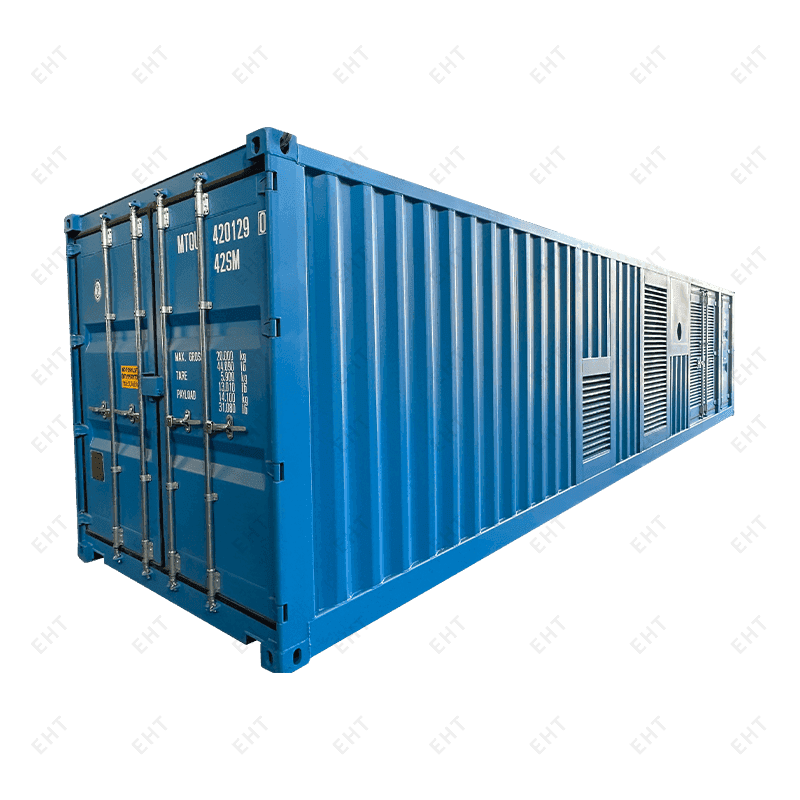
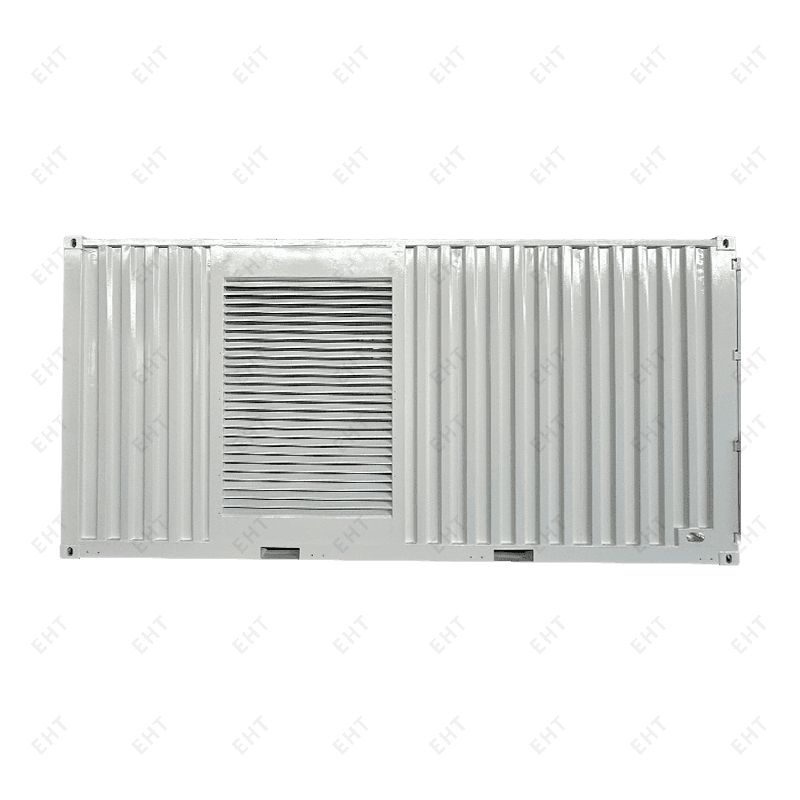
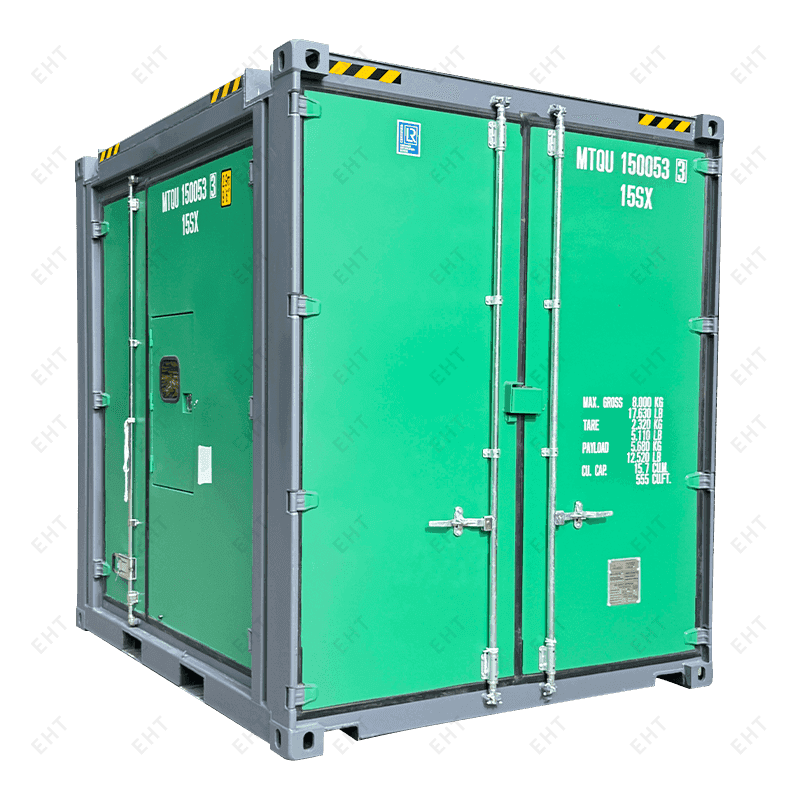
عربى40ft Custom Air Compressor Container
Specialized Shipping Container | 40ft Custom Air Compressor ContainerOverall Dimensions: 12192 × 2438 × 2896mmLarge...
Portable storage covers more ground than most people expect. It can be a small cube dropped in a driveway for three weeks, and it can also be a 40ft steel container that sits on a construction site for two years, moves to a second site, and eventually becomes a workshop. The common thread is simple: the unit is built to be lifted, transported and set down again without a foundation, and everything inside stays dry, locked and out of the weather.
We build containers for exactly this kind of work, so the notes below come from what we see on the production line and hear from customers — site managers, farmers, offshore crews and energy developers who simply need somewhere secure to keep things.
Content
Portability is not one feature but a combination of structural details. A container that flexes or leaks after a few lifts is not portable in any useful sense.
Standard dry containers, side-opening units, open-top boxes and flat-pack containers all qualify. The right choice depends on what you are storing and how often you need to reach the contents.
Most portable storage decisions come down to three or four sizes. The table below shows approximate figures for standard ISO dry containers; insulated, refrigerated or custom units differ.
| Size | External length x width x height | Internal floor area | Usable volume | Typical portable storage use |
|---|---|---|---|---|
| 10 ft | 2.99 x 2.44 x 2.59 m | about 6.6 m2 | about 16 m3 | tools, spare parts, site lockers |
| 20 ft | 6.06 x 2.44 x 2.59 m | about 13.9 m2 | about 33 m3 | general site storage, equipment, archives |
| 40 ft | 12.19 x 2.44 x 2.59 m | about 28.3 m2 | about 67 m3 | bulk materials, racked stock, seasonal goods |
| 40 ft high cube | 12.19 x 2.44 x 2.89 m | about 28.3 m2 | about 76 m3 | tall equipment, mezzanine racking |
One practical note from experience: moving a large volume is usually cheaper in one 40ft unit than in two 20ft units, but a 20ft or 10ft container reaches sites and yards where a 40ft simply cannot turn or park.
Neither option is universally better. The decision usually rests on how long you need the space and whether you want to modify it.
As rough market context, a 20ft rental commonly falls somewhere between $150 and $400 per month depending on region, delivery distance and condition, and delivery itself is usually charged separately. Buying a new certified unit is a capital cost instead of a monthly one, it can be modified permanently, and it retains resale value. For anything beyond a seasonal project, ownership tends to be the calmer choice.
Single end doors are the simplest and cheapest arrangement and work well for palletized goods. If you store pipes, panels, long tools or racking, side doors or a fully side-opening unit save a great deal of lifting and shuffling. For loading from above with a crane or excavator, an open-top container with a removable tarpaulin or hard top is the better answer.
Steel boxes sweat when temperature swings and humidity are high. Passive vents, desiccant, a small dehumidifier or a breathable lining all help. Storing cardboard directly against the walls is the fastest way to end up with soft boxes and a musty smell.
Ask what the unit has actually been built and tested to. CSC plates matter if the container will travel by sea, CE and CSA markings matter when the container becomes part of an equipment package, and wind ratings matter enormously in cyclone regions. For marine and offshore work, DNV-approved containers and lifting baskets are the expected baseline rather than a luxury.
A welded lock box that shields the padlock shackle, concealed hinges and internal locking bars make a real difference. If several people need access, plan key or padlock management before delivery, not afterwards.
Different cargo types solve different problems, and it is worth comparing formats before committing to one; our guide to logistics container types and their uses walks through the main options.
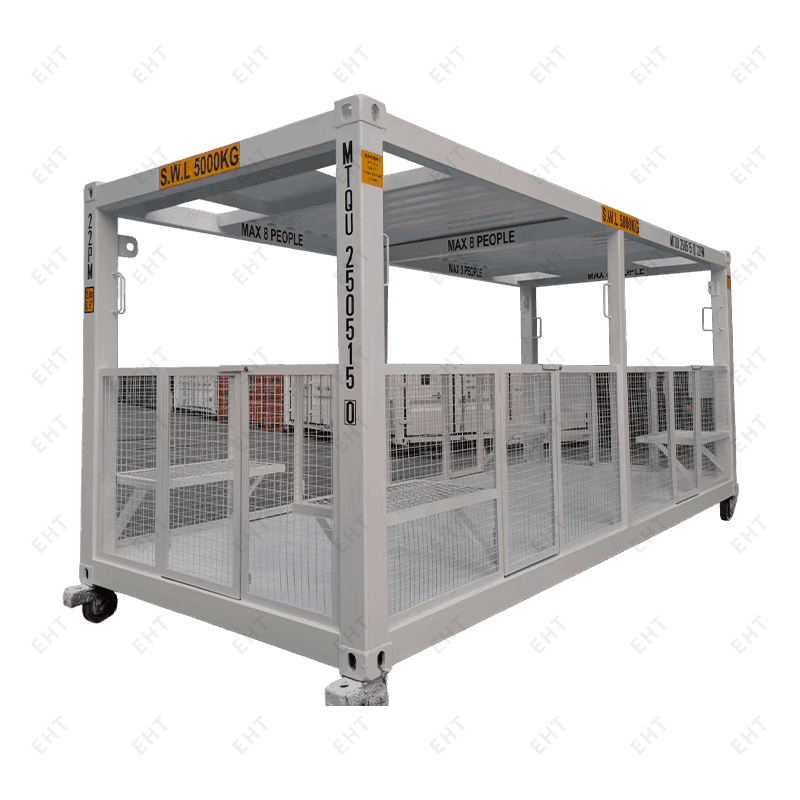
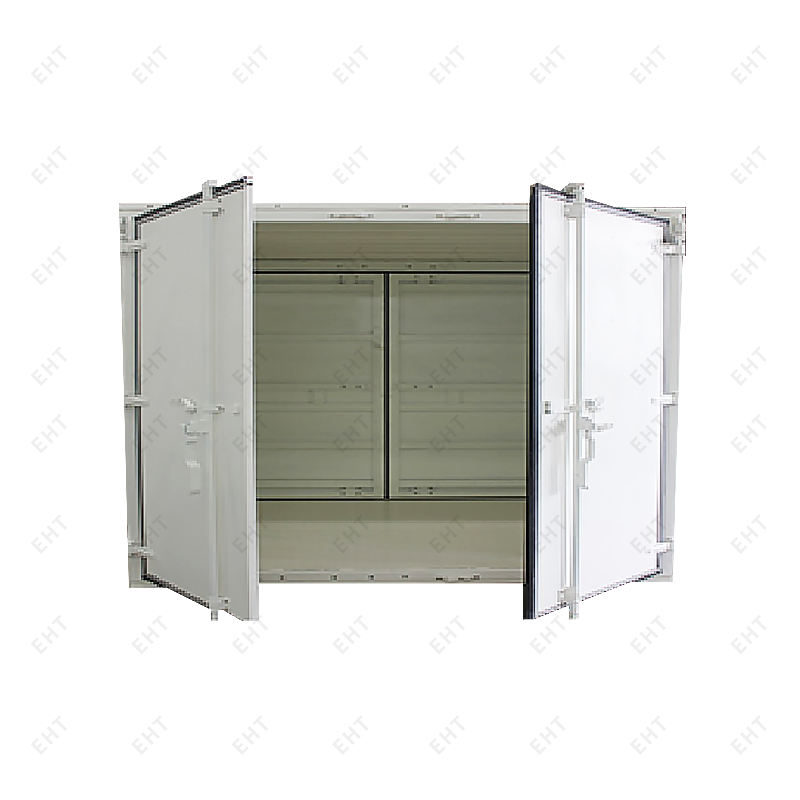 Special Detachable Tool Container for Custom EquipmentA modular customized equipment container that can be disassembled for transport and used to store tools, equipment, and materials on site.View Product →
Off-the-shelf storage is often the right starting point, and sometimes it is the wrong one. A container that must hold a compressor, a nitrogen skid, a switchgear panel or a small workshop needs openings, reinforcement and services built in from the design stage rather than cut in later.
Typical modifications we are asked for include side or multi-door openings, internal racking and lighting, insulation and air conditioning, cable entries and distribution boards, ventilation fans, lifting points for heavier loads, and paint or coating systems suited to coastal air. Much of this work starts from a drawing or a physical sample, which is how our container production is organised — one unit or a series, built to the same tolerances.
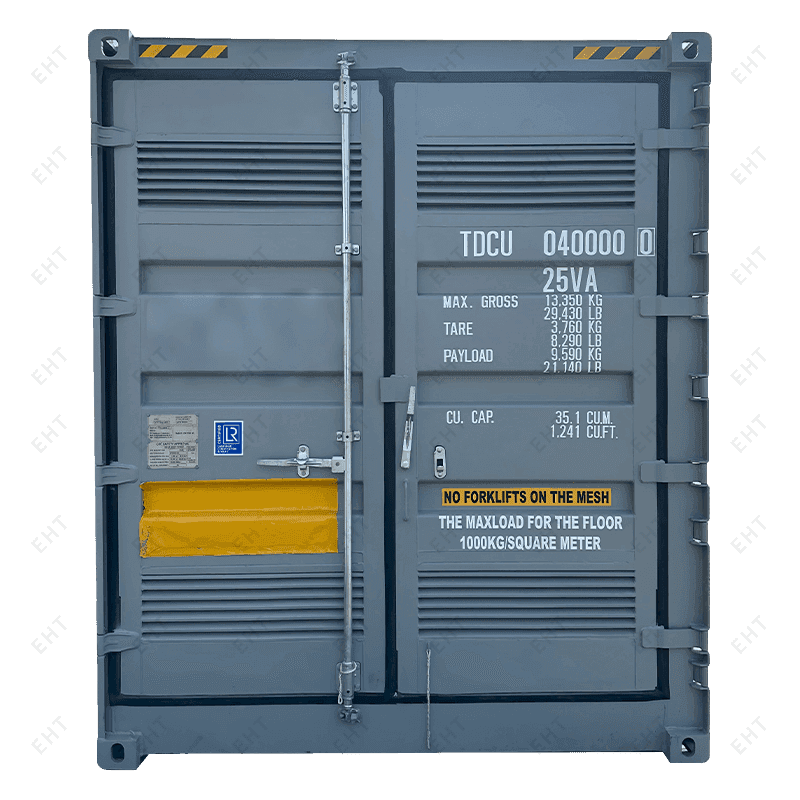
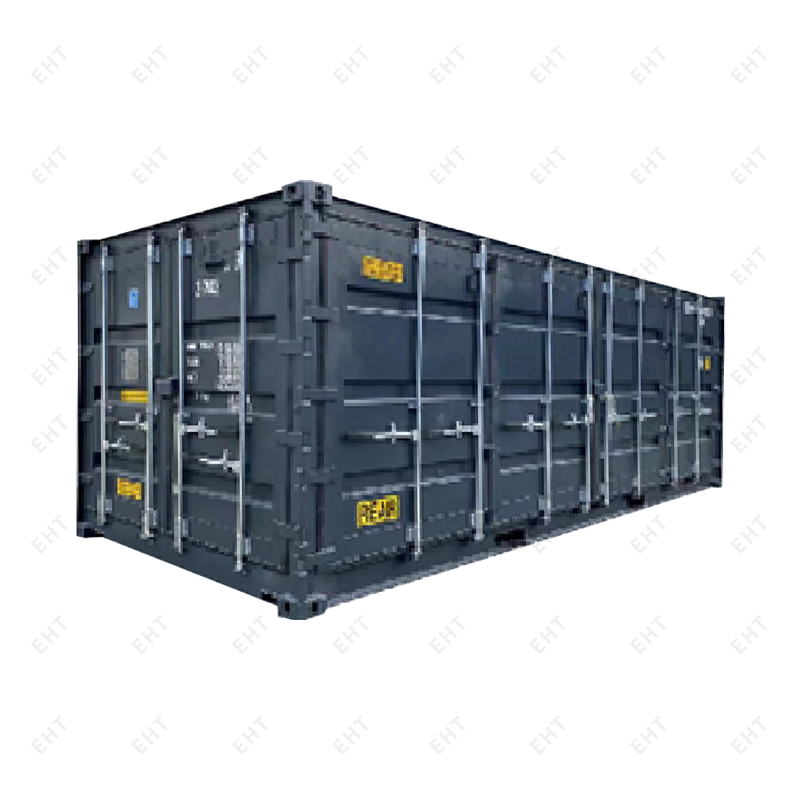 20 Feet Side Door Specialized Shipping ContainerA side-opening steel container that gives wide access for larger goods and can serve as secure storage or a mobile workspace.View Product →
The delivery day is where most surprises happen, so it pays to work through the sequence in advance:
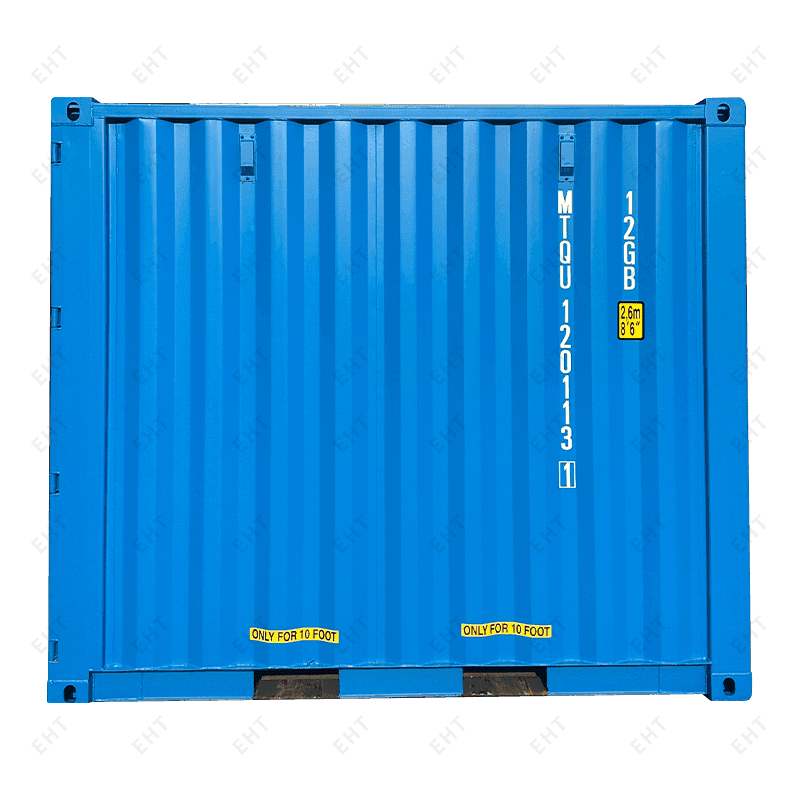
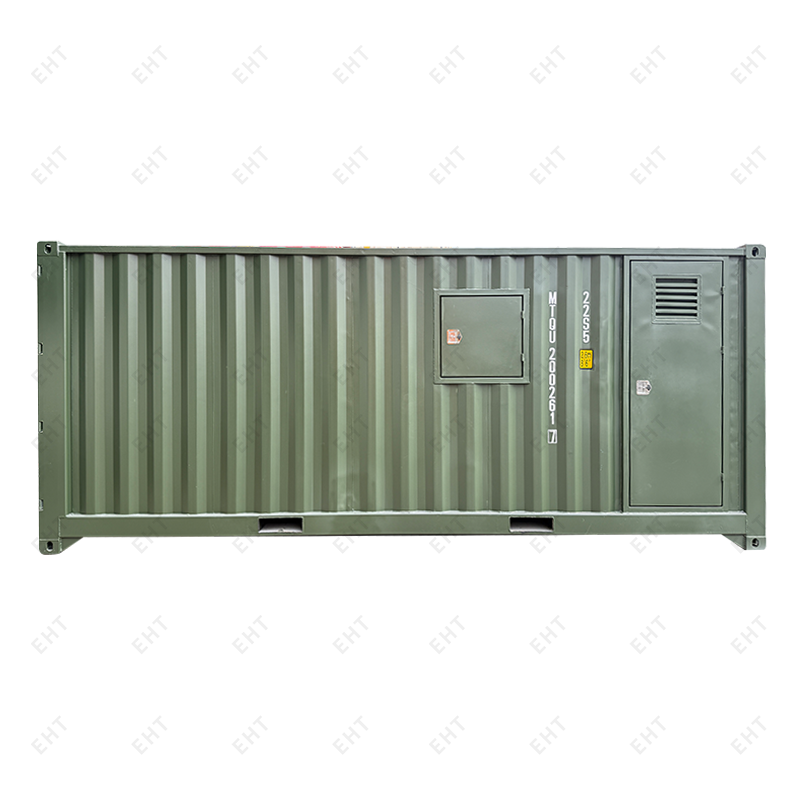 20ft A-Type Hook Lift Container for Secure TransportA hook-lift container with A-type doors and hoisting interfaces for faster loading and unloading, suited to repeated transport and storage.View Product →
Portable storage is not complicated once the questions are asked in the right order: what goes in, how it gets there, how long it stays and what has to happen next. Get those four answers clear and the choice of size, door layout and specification usually makes itself. If you are weighing options for a specific project, we are happy to talk through dimensions, lifting arrangements and the modifications that would actually help.

What to stay up to date?
Contact us via the email address below.
No. 178, Wuzhou East Road, Economic Development Zone, Yangzhou, Jiangsu.
Copyright 2024 Yangzhou Yichengke Integrated Technology Co., Ltd. All Rights Reserved.

