

 English
 русский
 Español
 عربى
عربى40ft Custom Air Compressor Container
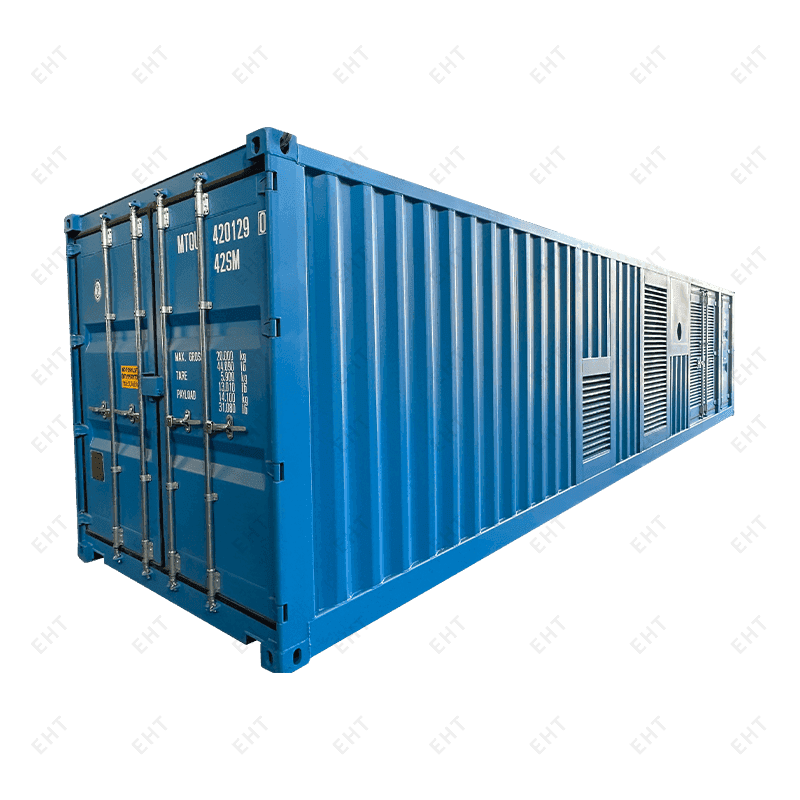
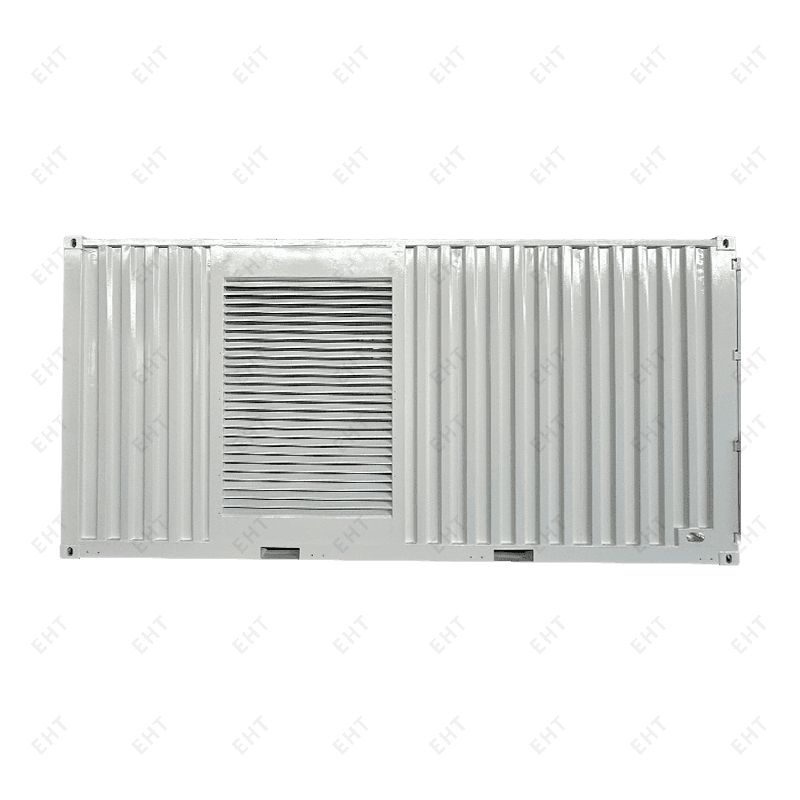
Specialized Shipping Container | 40ft Custom Air Compressor ContainerOverall Dimensions: 12192 × 2438 × 2896mmLarge...
The shipping container industry continues to innovate beyond traditional designs to address specific logistical challenges and cost efficiencies. Flat pack containers and bulk cargo containers represent two distinct solutions that serve fundamentally different purposes in global trade. Flat pack containers revolutionize storage and transportation economics through their collapsible design, while bulk cargo containers specialize in handling loose, unpackaged commodities. Understanding these specialized container types enables businesses to optimize shipping operations and reduce overall logistics costs.
Content
Flat pack containers, also known as collapsible containers or folding containers, feature an innovative design that allows them to be disassembled into flat components for efficient return shipping and storage. The fundamental structure consists of a floor base, four wall panels, and a roof section that can be folded down onto the base platform. This collapsible capability reduces the volume of an empty container by approximately seventy-five to eighty percent compared to its assembled state.
The engineering behind flat pack containers incorporates heavy-duty hinges, locking pins, and corner posts that maintain structural integrity when assembled. Wall panels typically fold inward or downward onto the base, with the roof section collapsing last. The locking mechanism ensures the container maintains the same strength and stacking capability as standard ISO containers when fully erected. Corner castings comply with international standards, allowing flat pack containers to be handled by conventional container handling equipment.
Erecting a flat pack container requires two to four workers and typically takes between five to fifteen minutes depending on the model and worker experience. The process begins with positioning the floor base on level ground and securing it in place. Workers then raise the end walls, which lock into vertical position through pin mechanisms. Side walls follow, connecting to the end walls through corner fittings. Finally, the roof section is lifted and secured using overhead locking bars or pin systems.
Disassembly follows the reverse sequence, with workers first releasing roof locks and lowering the top section onto the base. Side walls and end walls are then unlocked and folded inward. The entire collapsed unit occupies approximately one-quarter of its erected height, allowing four to five folded containers to fit in the space of one standard container. This space efficiency dramatically reduces repositioning costs when returning empty containers to origin points.
Flat pack containers are manufactured in standard twenty-foot and forty-foot lengths to maintain compatibility with existing container handling infrastructure. The construction materials typically include high-strength steel frames with corrugated steel wall panels, though some manufacturers offer aluminum variants for reduced weight. When assembled, these containers meet ISO 668 dimensional standards and can withstand the same stacking loads as conventional containers.
| Specification | 20ft Flat Pack | 40ft Flat Pack |
| External Length (Assembled) | 20ft (6.06m) | 40ft (12.19m) |
| External Width (Assembled) | 8ft (2.44m) | 8ft (2.44m) |
| External Height (Assembled) | 8.6ft (2.59m) | 8.6ft (2.59m) |
| Folded Height | 15-20 inches (38-51cm) | 15-20 inches (38-51cm) |
| Tare Weight | 1,800-2,200 kg | 3,200-3,800 kg |
| Maximum Payload | 28,000 kg | 26,500 kg |
| Assembly Time | 5-10 minutes | 10-15 minutes |
| Workers Required | 2-3 persons | 3-4 persons |
| Space Savings (Folded) | 75-80% | 75-80% |
The primary economic advantage of flat pack containers lies in dramatically reduced repositioning costs. Traditional container shipping creates significant imbalances, with more containers flowing from manufacturing regions to consumption markets than returning. Shipping companies must reposition empty containers back to origin points at considerable expense. Flat pack containers address this inefficiency by reducing the space required for empty returns by approximately eighty percent.
A standard vessel that would carry one thousand empty conventional containers can transport four thousand to five thousand collapsed flat pack units in the same space. This multiplication effect reduces per-unit repositioning costs by sixty to seventy percent. For shipping lines operating routes with severe container imbalances, such as Asia to Europe or Asia to North America, the cost savings can reach hundreds of dollars per container. Over thousands of movements annually, this translates to millions in reduced operational expenses.
Bulk cargo containers serve an entirely different purpose, designed specifically for transporting loose, unpackaged commodities such as grains, minerals, powders, and granular materials. Unlike general-purpose containers that carry packaged goods, bulk containers feature specialized loading and discharge systems that eliminate the need for individual packaging. The container body typically includes reinforced walls to withstand the pressure of bulk materials and specialized hatches for top loading and bottom discharge.
These containers come in multiple configurations depending on the commodity being transported. Dry bulk containers handle materials like grain, seeds, fertilizer, plastic pellets, and cement powder. The interior surfaces are often lined with food-grade materials for agricultural products or specialized coatings for chemical commodities. Loading occurs through roof hatches, while discharge happens through bottom gates, side doors, or pneumatic systems that evacuate the contents through specialized fittings.
Standard dry bulk containers feature three loading hatches on the roof and discharge doors at the bottom or end of the container. The hatches measure approximately two feet square and include sealing gaskets to prevent moisture ingress. Discharge mechanisms vary from simple gravity-fed bottom doors to sophisticated pneumatic evacuation systems that use compressed air to remove free-flowing materials completely.
Tank containers represent another bulk cargo variant, designed for liquids and gases. These containers incorporate a cylindrical tank within a standard ISO frame, allowing them to be handled like conventional containers while carrying bulk liquids. Specialized bulk containers also exist for temperature-sensitive materials, incorporating insulation and sometimes heating or cooling systems to maintain product integrity during transport.
Bulk cargo containers maintain standard ISO external dimensions to ensure compatibility with global container handling infrastructure. The internal configuration differs significantly from general-purpose containers, with reinforced floors and walls engineered to withstand concentrated loads and pressure from bulk materials. Floor construction typically uses high-strength steel or aluminum with minimal protrusions to facilitate complete discharge.
| Feature | 20ft Dry Bulk Container |
| External Dimensions | 20ft x 8ft x 8.6ft |
| Internal Capacity | 25-30 cubic meters |
| Loading Hatches | 3 roof hatches (24in x 24in each) |
| Discharge System | Bottom doors or pneumatic outlet |
| Liner Material | Food-grade polyethylene or stainless steel |
| Maximum Payload | 21,000-24,000 kg |
| Tare Weight | 2,800-3,400 kg |
| Typical Commodities | Grain, malt, seeds, pellets, powder |
| Discharge Time | 15-30 minutes (gravity) / 10-15 minutes (pneumatic) |
Flat pack containers find primary application in shipping routes characterized by severe directional imbalances. Companies importing manufactured goods from Asia to Europe or North America benefit most from flat pack technology, as they can collapse empty containers for return shipping at a fraction of standard repositioning costs. The construction industry uses flat pack containers for temporary site offices and storage units that can be easily transported between project locations in collapsed form.
Mining and remote project development also leverage flat pack containers extensively. Initial deployment to remote sites requires substantial container quantities for equipment and supplies. Once emptied, collapsing these containers for return eliminates the cost burden of repositioning hundreds of empty standard containers from isolated locations. Military and disaster relief operations similarly benefit from the ability to rapidly deploy and efficiently recover container assets.
Operating flat pack containers requires proper training for assembly and disassembly procedures. Workers must understand the specific sequence of operations for each manufacturer's design, as mechanisms vary between brands. Safety protocols demand that containers be assembled on level surfaces and that all locking pins and mechanisms be fully engaged before loading. Regular inspection of hinges, pins, and locking systems prevents failures during transport or stacking.
Loading flat pack containers follows standard practices once assembled, but operators must verify structural integrity before placing cargo. The floor should be inspected for any warping or damage that could compromise load distribution. Corner posts and wall panels should be checked to ensure they remain properly locked in vertical position. Exceeding weight limits or improper load distribution can stress the folding mechanisms and lead to premature wear.
Loading bulk cargo containers requires specialized equipment depending on the commodity. Free-flowing materials like grain can be loaded through roof hatches using gravity feed or pneumatic conveyors. The loading rate must be controlled to prevent damage to the container structure and to ensure even distribution within the cargo space. Overfilling creates excessive pressure on walls and roof, potentially damaging the container or creating safety hazards during transport.
Discharge operations vary by system type. Gravity discharge through bottom doors works well for free-flowing materials but may leave residual product in the container. Pneumatic systems achieve more complete evacuation by using compressed air to fluidize the cargo and force it through discharge pipes. This method proves essential for valuable commodities where minimal waste is critical. Tilting frames can enhance gravity discharge by angling the container to concentrate material toward discharge points.
Flat pack containers demand more intensive maintenance than standard containers due to their mechanical components. Hinges require regular lubrication to prevent corrosion and ensure smooth operation during folding cycles. Locking pins and mechanisms should be inspected before each assembly to verify they engage properly and securely. The repeated stress of assembly and disassembly cycles gradually wears components, necessitating more frequent replacement of parts compared to conventional containers.
The average service life of well-maintained flat pack containers ranges from eight to twelve years, slightly shorter than the fifteen to twenty-year lifespan typical of standard containers. However, the economic benefits often justify this reduced longevity. Operators should maintain detailed records of folding cycles, as manufacturers typically specify maximum cycle counts before major component replacement becomes necessary. Preventive maintenance programs that address wear before failures occur maximize container availability and safety.
The initial purchase price of flat pack containers exceeds standard containers by twenty to forty percent, reflecting the additional engineering and mechanical components. A new twenty-foot flat pack container typically costs between three thousand five hundred to five thousand dollars, compared to two thousand five hundred to three thousand five hundred for a conventional unit. Despite higher acquisition costs, the repositioning savings can recover the premium within two to three years for shipping lines with significant container imbalances.
Bulk cargo containers command even higher premiums due to their specialized features. A twenty-foot dry bulk container ranges from five thousand to eight thousand dollars depending on liner materials and discharge systems. Pneumatic discharge models cost more than simple gravity systems but offer better cargo recovery and faster discharge times. Tank containers for liquid bulk represent the highest investment, with prices starting around fifteen thousand dollars for twenty-foot units.
| Factor | Flat Pack Container | Bulk Cargo Container |
| Purchase Premium vs Standard | 20-40% higher | 50-150% higher |
| Primary Savings Source | Repositioning costs | Packaging elimination |
| Annual Maintenance Cost | $200-400 per unit | $150-300 per unit |
| Typical Payback Period | 2-3 years | 3-5 years |
| Expected Service Life | 8-12 years | 12-15 years |
| Resale Value After 5 Years | 40-50% of purchase price | 50-60% of purchase price |
All shipping containers must comply with the International Convention for Safe Containers, regardless of their specialized features. Flat pack containers require certification that demonstrates structural integrity in both assembled and collapsed configurations. Testing protocols verify that folded containers can withstand stacking loads and that assembled units meet standard container strength requirements. The CSC plate must indicate any special handling requirements or limitations specific to the collapsible design.
Bulk cargo containers face additional regulatory scrutiny depending on the commodities they carry. Food-grade certifications are mandatory for containers transporting agricultural products intended for human or animal consumption. The interior liner materials must meet food safety standards and be certified free from contaminants. Chemical bulk containers require compatibility certification between the container materials and the specific chemicals being transported to prevent dangerous reactions or material degradation.
Flat pack containers contribute measurably to reducing the environmental footprint of global shipping operations. The reduced space required for repositioning empty containers translates directly to lower fuel consumption per container moved. A vessel carrying four thousand collapsed flat pack containers instead of one thousand standard empties reduces fuel consumption by approximately seventy-five percent for that repositioning voyage. This efficiency gain compounds across millions of container movements annually, representing significant carbon emission reductions.
Bulk cargo containers support sustainability by eliminating packaging waste. Traditional bulk commodity transport requires bags, boxes, or other packaging materials that become waste at the destination. Bulk containers allow commodities to travel unpackaged, with loading and discharge happening directly from storage facilities. This packaging elimination reduces material consumption and waste generation substantially. A single bulk container trip can eliminate hundreds of bags or dozens of intermediate bulk containers that would otherwise require disposal or recycling.
Both specialized container types face end-of-life recycling challenges. Flat pack containers contain more diverse materials due to mechanical components, requiring careful separation during recycling. However, the steel content remains recyclable through standard processes. Bulk containers with specialized liners need proper disposal of liner materials, though the steel frames recycle normally. Responsible operators ensure containers reach certified recycling facilities rather than becoming environmental hazards when service life concludes.
The decision between flat pack containers and bulk cargo containers depends entirely on operational requirements. Flat pack containers optimize empty container logistics through space-efficient repositioning, delivering substantial cost savings on routes with directional imbalances. Bulk cargo containers specialize in commodity transport, eliminating packaging costs and enabling efficient handling of loose materials. Understanding the technical specifications, operational requirements, and economic implications of each container type enables informed selection that aligns with specific shipping needs and maximizes return on investment.

What to stay up to date?
Contact us via the email address below.
No. 178, Wuzhou East Road, Economic Development Zone, Yangzhou, Jiangsu.
Copyright 2024 Yangzhou Yichengke Integrated Technology Co., Ltd. All Rights Reserved.

