

 English
 русский
 Español
 عربى
عربى40ft Custom Air Compressor Container
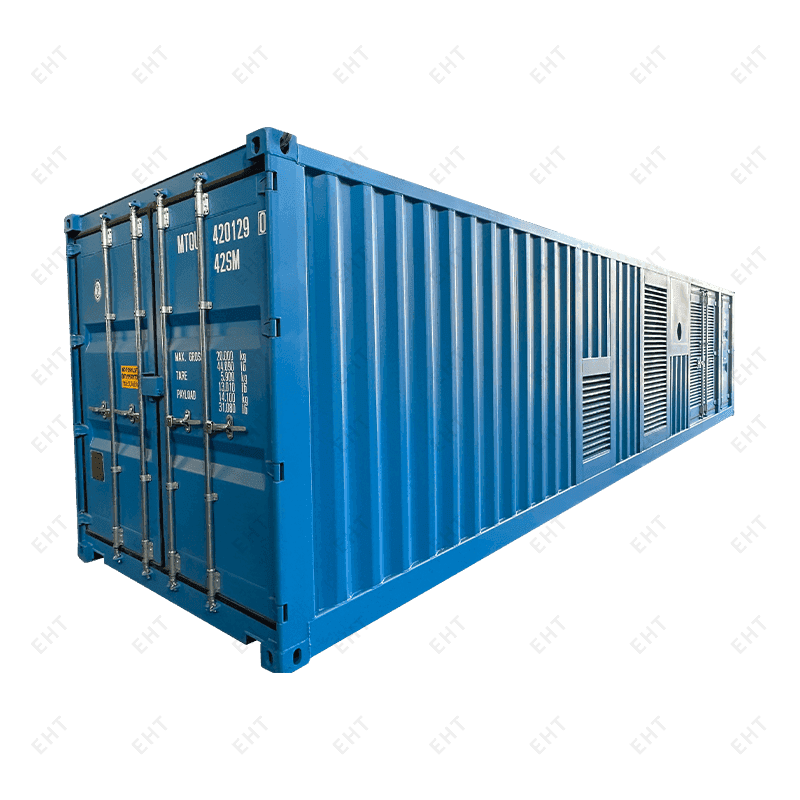
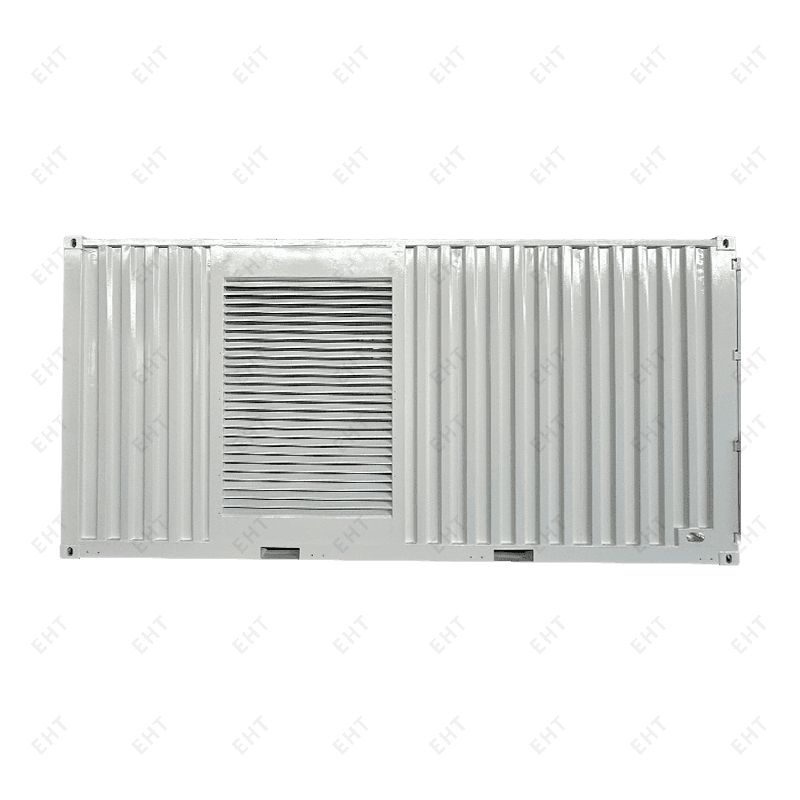
Specialized Shipping Container | 40ft Custom Air Compressor ContainerOverall Dimensions: 12192 × 2438 × 2896mmLarge...
Shipping containers have evolved far beyond their original design to accommodate diverse cargo handling requirements. While standard containers remain the backbone of global logistics, specialized units like side opening containers and open top shipping containers offer unique loading advantages for oversized, bulky, or irregularly shaped cargo. Understanding the distinctions between these container types is essential for businesses seeking efficient cargo solutions.
Content
Side opening containers feature full-length doors along one or both side walls, providing unrestricted horizontal access to the entire cargo space. This design fundamentally transforms loading and unloading operations compared to conventional end-door containers. The side doors typically span the complete length of the container, creating an opening that measures approximately 19 feet in length for a 20ft unit and nearly 39 feet for a 40ft container.
These containers maintain the structural integrity of standard ISO containers while incorporating reinforced door frames and locking mechanisms. The side opening feature proves invaluable when handling long materials such as lumber, pipes, steel beams, or machinery that would be difficult or impossible to maneuver through standard end doors. Forklifts can access cargo directly from the side, eliminating the need to unload items sequentially from the front.
Side opening containers are available in various sizes, with 20ft and 40ft being the most common. The structural modifications to accommodate side doors require additional reinforcement, which slightly reduces internal dimensions compared to standard containers. Weight capacity remains comparable to conventional units, typically supporting payloads between 25,000 to 28,000 kg for a 20ft container.
The 20ft open top container addresses vertical loading challenges that standard containers cannot accommodate. Instead of a fixed steel roof, these units feature a removable tarpaulin cover or convertible hard top that allows cargo to be loaded from above using cranes or overhead equipment. This design proves essential for oversized machinery, manufacturing equipment, or any cargo exceeding standard container height restrictions.
Open top containers maintain the standard 20ft footprint while offering flexibility in height management. The removable roof system consists of durable, weather-resistant tarpaulin secured with tensioning systems, or in some cases, removable steel bow sections that can be completely detached. The container walls and floor retain full structural strength, ensuring cargo protection from the sides while allowing top access.
| External Length | 20ft (6.06m) |
| External Width | 8ft (2.44m) |
| External Height | 8.6ft (2.59m) |
| Internal Length | 19.4ft (5.89m) |
| Internal Width | 7.7ft (2.35m) |
| Internal Height | 7.8ft (2.38m) |
| Door Opening Width | 7.8ft (2.34m) |
| Door Opening Height | 7.5ft (2.28m) |
| Maximum Payload | 28,200 kg (62,170 lbs) |
| Tare Weight | 2,300 kg (5,071 lbs) |
Both side opening and open top shipping containers serve specialized industries where standard containers prove inadequate. The construction industry relies heavily on these specialized units for transporting steel girders, prefabricated components, and heavy machinery. Manufacturing facilities utilize open top containers to ship industrial equipment, transformers, and production machinery that cannot be disassembled for transport.
The timber and forestry sectors benefit significantly from side opening containers, as lumber and logs can be loaded and unloaded efficiently using forklifts without the spatial constraints of end-door access. Mining operations transport drilling equipment, ore processing machinery, and oversized components using these specialized containers. The agricultural sector uses open top units for large farming equipment and harvesting machinery.
Specialized containers provide measurable efficiency gains in specific applications. Side opening containers reduce loading and unloading time by up to sixty percent for long materials, as workers can access the entire cargo area simultaneously rather than working from one end. This time savings translates directly to reduced labor costs and faster turnaround at ports and warehouses.
Open top containers eliminate the need to disassemble oversized machinery for transport, preserving equipment integrity and avoiding reassembly costs at the destination. The ability to use crane loading expands the range of transportable items significantly. Weather protection remains adequate with properly secured tarpaulin systems, which are designed to withstand marine environments and extreme conditions.
Choosing between side opening and open top containers depends primarily on cargo dimensions and loading equipment availability. Cargo that exceeds height restrictions but fits within length and width parameters requires open top access. Conversely, long materials that fit within height limits but require lateral access benefit from side opening designs. Some complex shipments may require containers with both features, though these specialized units command premium rental rates.
Evaluate the loading and unloading infrastructure at both origin and destination points. Open top containers require overhead crane access, which may not be available at all facilities. Side opening containers need adequate lateral clearance for door operation and forklift maneuvering. Consider whether rental or purchase makes economic sense based on shipping frequency and cargo regularity.
| Consideration | Side Opening Container | Open Top Container |
| Primary Access Direction | Horizontal (side) | Vertical (top) |
| Best for Long Cargo | Excellent | Moderate |
| Best for Tall Cargo | Limited | Excellent |
| Loading Equipment | Forklift, pallet jack | Crane, overhead lift |
| Weather Protection | Complete (solid roof) | Good (tarpaulin cover) |
| Rental Cost Premium | 15-25% above standard | 20-30% above standard |
| Availability | Moderate | Good |
Specialized containers require additional maintenance attention compared to standard units due to their moving components and exposure points. Side opening containers demand regular inspection of hinge mechanisms, locking rods, and door seals to ensure weather-tight integrity. The extended door panels experience greater stress during transport and require periodic alignment adjustments to maintain proper closure.
Open top containers need careful tarpaulin management to prevent premature wear. The cover material should be inspected for tears, weakened attachment points, and tensioning system functionality before each use. Bow sections on hard-top convertible models require lubrication of locking mechanisms and inspection for structural fatigue. Corner posts and top rails experience different stress patterns than standard containers and warrant additional scrutiny during surveys.
The premium pricing for specialized containers reflects their limited availability and enhanced functionality. Purchasing a new 20ft open top container typically costs twenty to thirty percent more than an equivalent standard container, with side opening units commanding similar premiums. Used containers offer cost savings but require thorough inspection to ensure structural integrity and functional components remain serviceable.
Rental rates vary by location, duration, and market demand but generally range from one hundred fifty to three hundred dollars per month for short-term use. Long-term leases reduce monthly costs but require commitment to minimum periods. For businesses with occasional specialized shipping needs, rental proves more economical than ownership. Companies with regular shipments of oversized cargo should evaluate purchase economics based on usage frequency and available storage space.
All shipping containers, regardless of specialization, must comply with International Organization for Standardization requirements and receive valid safety approval. Open top containers require additional certification for tarpaulin systems to ensure they meet weather resistance standards and secure fastening requirements. Side opening containers undergo structural testing to verify that door modifications do not compromise container strength or stacking capability.
Weight distribution becomes particularly critical with specialized containers. Open top loading allows placement of extremely heavy items that could exceed floor load limits if concentrated improperly. Shippers must calculate weight distribution carefully and ensure securing methods prevent cargo shift during transport. Side opening containers require verification that door locking mechanisms engage properly under full load conditions.
Understanding the distinct characteristics and applications of side opening containers and open top shipping containers enables informed decision-making for specialized cargo transport. These container types solve specific logistical challenges that standard units cannot address, providing essential flexibility for industries handling oversized, lengthy, or uniquely shaped materials. Proper selection based on cargo requirements, available handling equipment, and economic factors ensures efficient and cost-effective shipping solutions.

What to stay up to date?
Contact us via the email address below.
No. 178, Wuzhou East Road, Economic Development Zone, Yangzhou, Jiangsu.
Copyright 2024 Yangzhou Yichengke Integrated Technology Co., Ltd. All Rights Reserved.

