

 English
 русский
 Español
 عربى
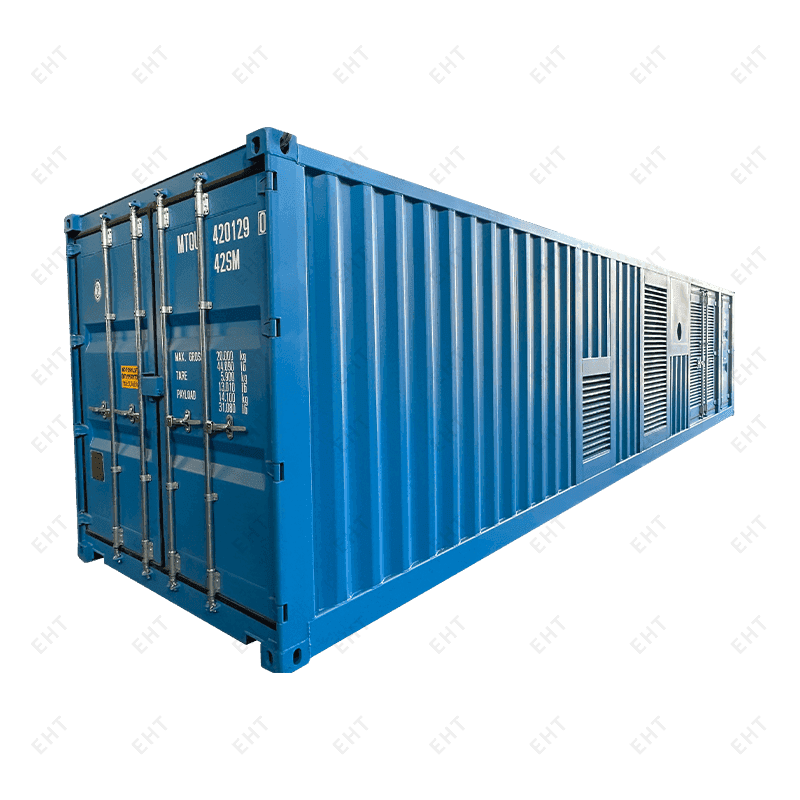
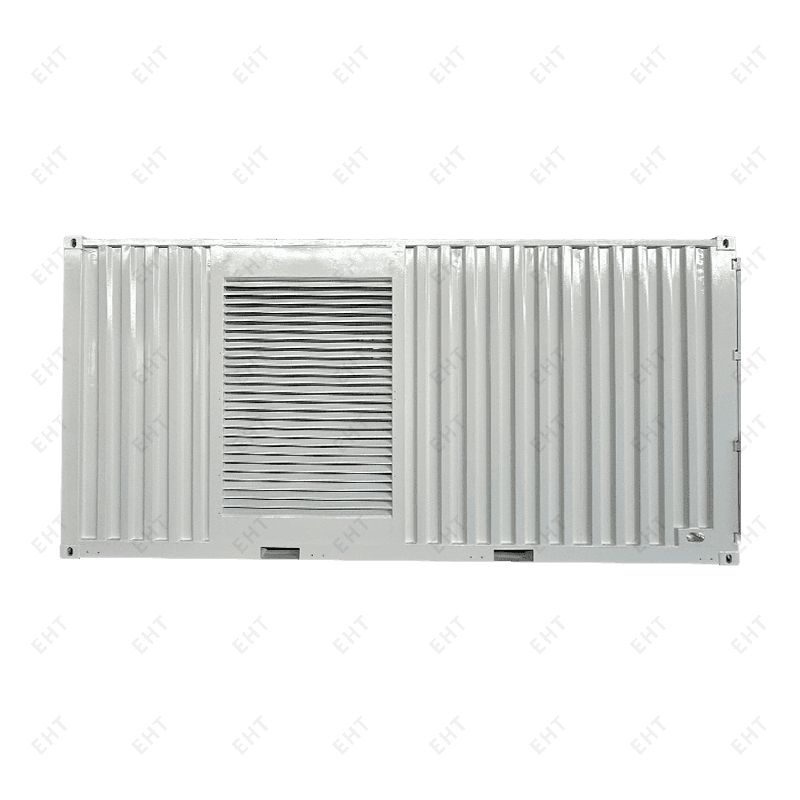
عربى40ft Custom Air Compressor Container
Specialized Shipping Container | 40ft Custom Air Compressor ContainerOverall Dimensions: 12192 × 2438 × 2896mmLarge...
Content
An accommodation container is one of the most practical and adaptable modular space solutions available today. Originally inspired by shipping containers, these units are transformed into comfortable, functional environments for living, working, and supporting temporary operations. Their robust steel structure, portability, and customizable design make them ideal for a wide range of industries and personal applications.
Whether used as temporary housing on construction sites, emergency shelters after disasters, remote workforce accommodation, or portable offices, accommodation containers provide a dependable and cost-effective alternative to traditional buildings. Their versatility allows organizations and individuals to deploy quality spaces quickly without sacrificing comfort or durability.
The key advantage of an accommodation container is its ability to serve multiple purposes while maintaining consistent performance. The modular design allows units to be used individually or connected to create larger facilities. They can be relocated, stacked, and reconfigured based on changing requirements.
This flexibility makes accommodation containers suitable for projects that demand speed, mobility, and practical functionality.
Construction companies frequently use accommodation containers to house workers on-site. These units can include sleeping quarters, bathrooms, kitchens, and recreation spaces. Providing comfortable accommodations near the worksite reduces commute times and supports productivity.
An accommodation container can be configured as a fully equipped office with desks, electrical outlets, air conditioning, and internet connectivity. Project managers and supervisors benefit from having a secure and functional workspace close to operations.
In disaster relief scenarios, accommodation containers provide rapid and secure shelter. They can be delivered quickly to affected areas and outfitted with essential facilities to support displaced families or relief personnel.
Remote industries such as mining, oil, and gas depend on accommodation containers to create complete camps. Units may include dormitories, dining halls, medical clinics, and administrative offices, all designed to withstand harsh conditions.
Schools and clinics can use accommodation containers as temporary classrooms, consultation rooms, or vaccination centers. Their portability allows services to reach underserved or rapidly growing communities.
Modern accommodation containers are designed with user comfort in mind. They are insulated, ventilated, and fitted with quality finishes that create a pleasant indoor environment.
These features ensure that occupants enjoy a functional and comfortable space, whether they stay for a few days or several years.
One reason accommodation containers are so versatile is the ability to tailor them to exact requirements. Manufacturers can adjust dimensions, interior layouts, and external finishes to suit the intended use.
| Customization Area | Available Options |
| Layout | Bedrooms, offices, kitchens, bathrooms |
| Exterior Finish | Paint colors, cladding, branding |
| Utilities | HVAC, plumbing, electrical systems |
| Furniture | Beds, desks, cabinets, seating |
| Safety Features | Fire alarms, emergency exits, security doors |
Compared with conventional construction, accommodation containers offer significant cost savings. Much of the fabrication takes place in a controlled factory environment, reducing labor costs and minimizing project delays caused by weather or site conditions.
Transportation and installation are also efficient. Since the units arrive largely complete, setup time is dramatically reduced. Businesses can begin using the facilities almost immediately, which is particularly valuable for time-sensitive projects.
Additionally, accommodation containers retain value because they can be moved and reused on future projects. This reusability lowers the total cost of ownership and improves return on investment.

Accommodation containers support sustainable building practices by reducing material waste and maximizing resource efficiency. Repurposed steel structures help extend the life cycle of existing materials, while factory-based construction generates less debris than traditional methods.
Energy-efficient insulation, LED lighting, and low-consumption HVAC systems can further reduce operating costs and environmental impact. Some units also incorporate solar panels and water-saving fixtures for off-grid applications.
A major benefit of an accommodation container is portability. When a project ends or needs change, the unit can be transported to a new location with relative ease. This makes it an ideal asset for companies operating across multiple sites.
Relocation is especially valuable for industries such as construction, mining, infrastructure development, and event management, where temporary facilities are often required for limited periods.
Selecting the right accommodation container involves assessing practical and regulatory requirements.
A thoughtful evaluation helps ensure the selected unit meets both immediate and long-term needs.
As modular construction technology advances, accommodation containers continue to evolve. Improved materials, smarter energy systems, and more refined interior finishes are making these units increasingly attractive for both temporary and semi-permanent use.
Businesses value their flexibility and efficiency, while communities benefit from their ability to provide rapid infrastructure solutions. From workforce housing to healthcare support, accommodation containers are proving that practical design can adapt to nearly any challenge.
The accommodation container has become a highly versatile solution for modern space requirements. Its portability, customization options, durability, and cost-effectiveness make it suitable for a wide variety of applications. Whether you need temporary housing, a mobile office, or emergency shelter, accommodation containers provide a reliable and scalable answer that can adapt as your needs change.

What to stay up to date?
Contact us via the email address below.
No. 178, Wuzhou East Road, Economic Development Zone, Yangzhou, Jiangsu.
Copyright 2024 Yangzhou Yichengke Integrated Technology Co., Ltd. All Rights Reserved.

