

 English
 русский
 Español
 عربى
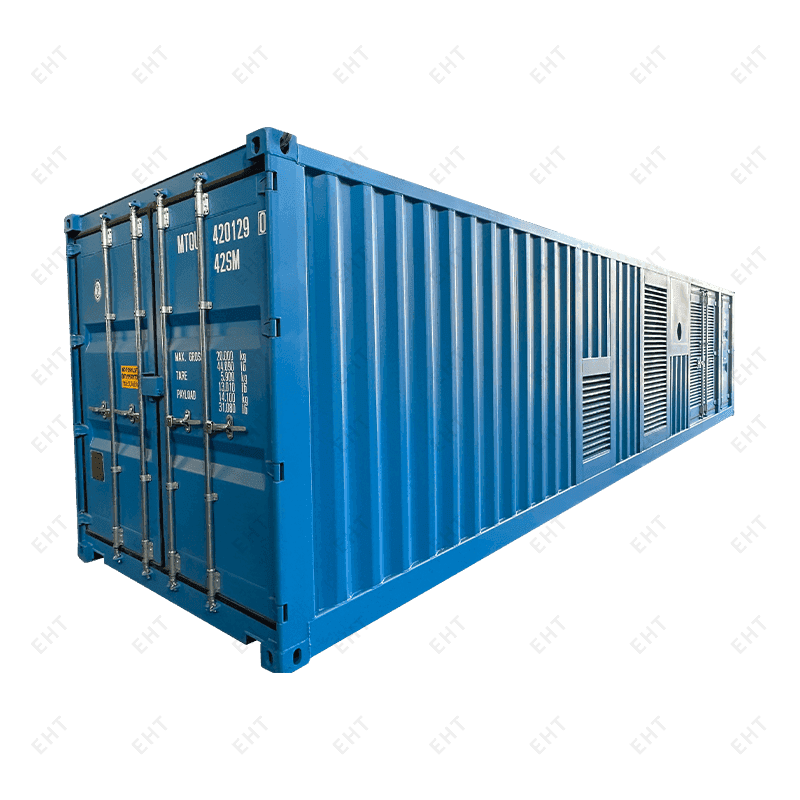
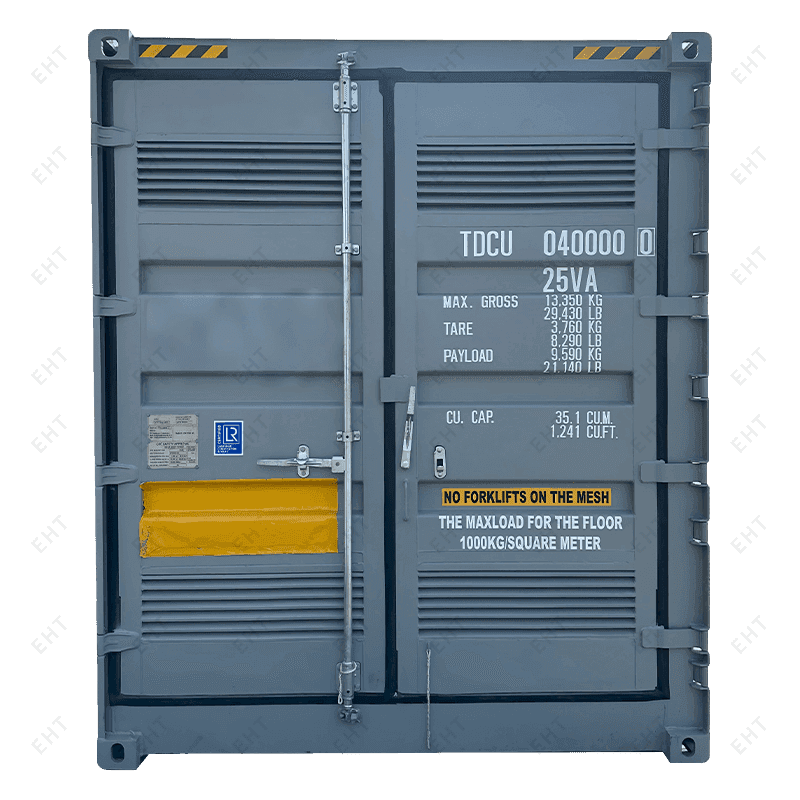
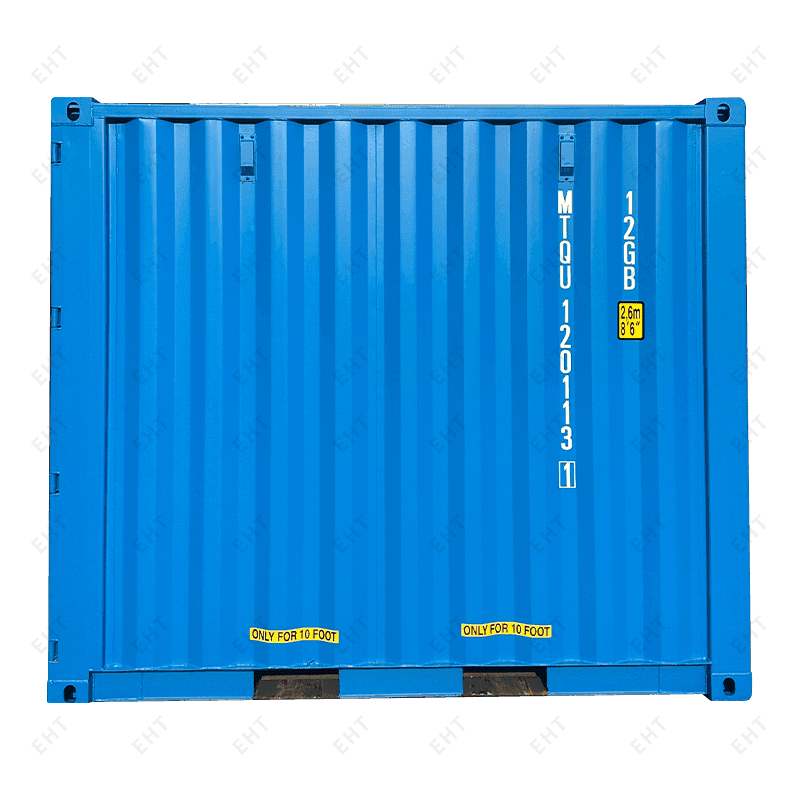
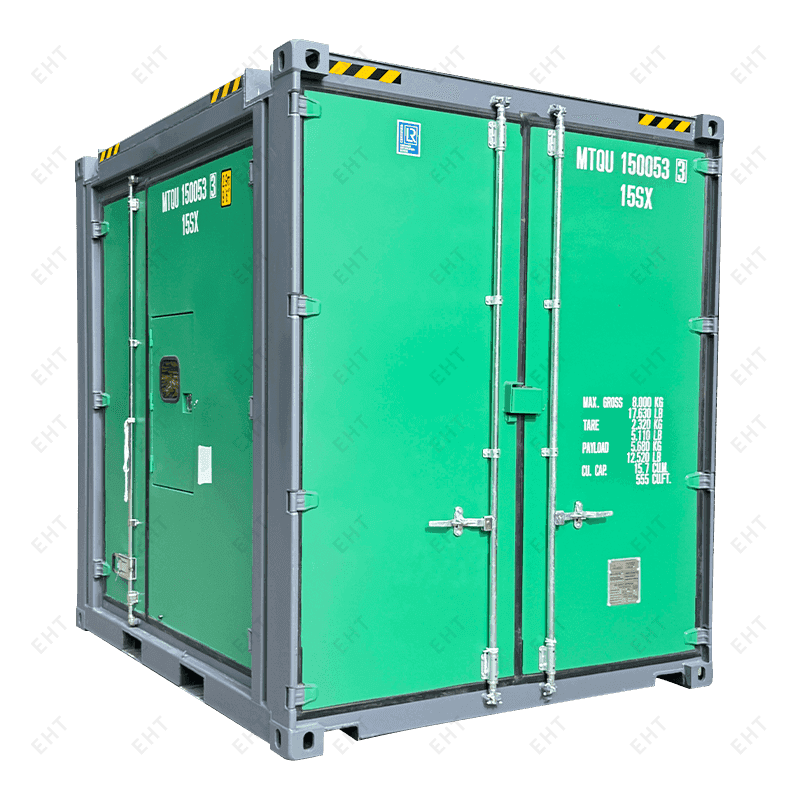
عربى40ft Custom Air Compressor Container
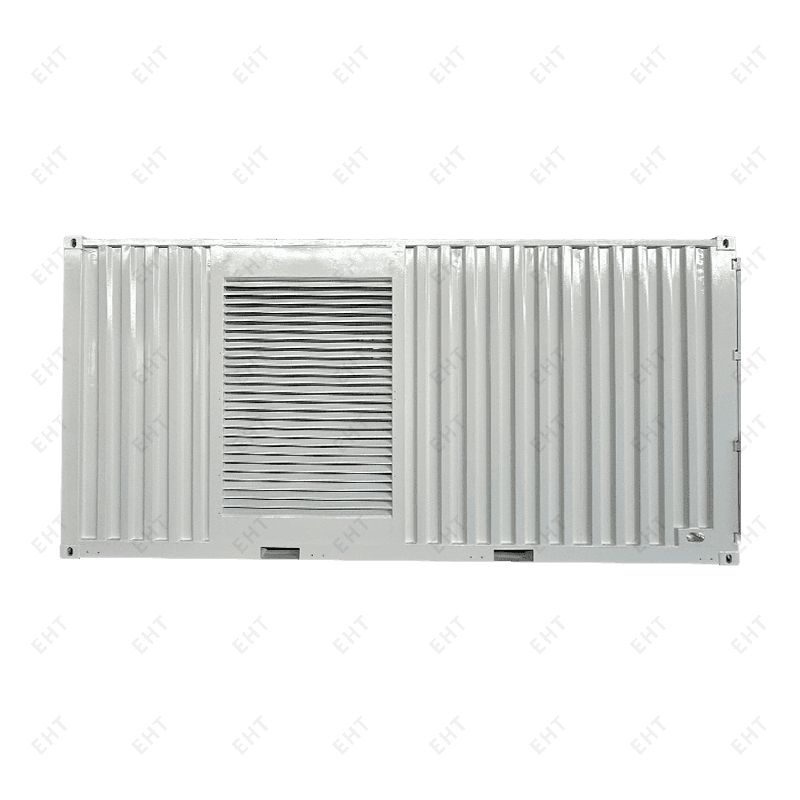
Specialized Shipping Container | 40ft Custom Air Compressor ContainerOverall Dimensions: 12192 × 2438 × 2896mmLarge...
Refrigerated railcars — often called reefer cars — have become a critical component of modern cold chain logistics. As food safety regulations tighten, consumer demand for fresh produce expands globally, and fuel costs pressure freight operators to find more economical long-haul solutions, refrigerated rail transport is gaining renewed attention. Compared to refrigerated trucking, rail-based cold transport offers substantial advantages in energy use, cargo capacity, and cost-per-ton-mile, but only when the right equipment and operational practices are in place.
Content
The fundamental efficiency of rail freight comes from physics. A steel wheel rolling on a steel rail generates far less friction than a rubber tire on asphalt, which means a locomotive can move significantly more tonnage per unit of fuel than a diesel truck. For refrigerated cargo specifically, this translates into a compelling cost argument: rail refrigerated transport typically consumes three to four times less fuel per ton-mile than over-the-road reefer trucking.
A single intermodal train can carry the equivalent of 280 to 500 truckloads of freight. When that freight is temperature-sensitive — pharmaceutical products, fresh meat, dairy, or produce — consolidating it onto rail dramatically reduces the number of refrigeration units operating simultaneously, cutting both fuel burn and greenhouse gas emissions per unit of product delivered. For shippers moving large volumes over distances exceeding 500 miles, the economic case for refrigerated rail is difficult to ignore.
Today's refrigerated railcars are far removed from the ice-bunker cars of the early twentieth century. Modern mechanical reefer cars use self-contained diesel-powered refrigeration units mounted at one or both ends of the car. These units operate independently of the locomotive and can maintain precise internal temperatures across a wide range — typically from -20°F (-29°C) for frozen goods up to 55°F (13°C) for fresh produce requiring moderate cooling.
Advanced temperature management is central to the efficiency of modern refrigerated railcars. Electronic temperature controllers with programmable setpoints allow shippers to dial in specific conditions for different cargo types. Multiple temperature sensors distributed throughout the cargo space provide real-time data on air distribution, ensuring that there are no warm pockets where spoilage could begin.
Remote monitoring systems, now standard on many new-generation reefer cars, transmit temperature logs, door-open events, and refrigeration unit alarms via cellular or satellite networks. Shippers and logistics managers receive alerts if temperatures deviate from setpoints, enabling intervention before cargo is compromised. This level of visibility was impossible with older equipment and is a major driver of the cold chain integrity improvements attributed to modern refrigerated rail.
High-density polyurethane foam insulation, with R-values exceeding R-30 in many contemporary designs, minimizes heat transfer through the car walls, floor, and roof. Stainless steel or fiberglass interior linings are smooth and easy to sanitize between loads. Air chutes and floor racks ensure that cooled air circulates evenly around palletized freight rather than pooling at floor level, maintaining consistent temperatures throughout the car's entire 60- to 70-foot cargo space.
For shippers evaluating modal choices, understanding where each option delivers value is essential. The table below summarizes the key cost and performance differences for a long-haul cold shipment of approximately 1,000 miles.
| Factor | Refrigerated Railcar | Refrigerated Truck |
|---|---|---|
| Cost per ton-mile | ~$0.04–$0.07 | ~$0.15–$0.25 |
| Fuel consumption (per ton-mile) | ~0.6 BTU | ~2.5 BTU |
| Max cargo per unit | 100,000–120,000 lbs | 42,000–44,000 lbs |
| Driver dependency | None during transit | Required continuously |
| CO₂ emissions (per ton-mile) | ~35–50g | ~130–160g |
| Transit time (1,000 mi) | 2–4 days | 1–2 days |
| Schedule flexibility | Fixed rail corridors | Door-to-door flexibility |
The trade-off is clear: rail wins decisively on cost and environmental impact, while truck wins on transit speed and last-mile flexibility. This is why most efficient cold chains use a combination of both — rail for the long trunk haul, trucks for pickup and delivery at either end.
Transportation-related spoilage costs the global food industry an estimated $35 billion annually, and a significant portion of that loss occurs during transit rather than in storage. Refrigerated railcars address this problem through stable, uninterrupted temperature maintenance over long distances — something that is mechanically harder to guarantee in a truck navigating variable traffic, driver breaks, and frequent door openings at distribution stops.
Once a refrigerated railcar is loaded, sealed, and pre-cooled to setpoint, it travels with minimal interruptions that would compromise the thermal envelope. Unlike a truck that may stop at multiple docks along a route, a full railcar typically goes from origin to a single destination rail yard before transfer. This direct, high-capacity routing reduces the number of thermal events — instances where the cargo space warms above setpoint — that accumulate during a typical truck delivery run.
For products like fresh berries, cut flowers, and certain pharmaceutical cold-chain shipments where even minor temperature excursions reduce shelf life or product integrity, the stable environment inside a well-maintained reefer car produces measurable improvements in quality upon arrival. Studies from agricultural shipping cooperatives in California and Florida have shown spoilage rate reductions of 15–25% when switching long-haul produce shipments from truck to refrigerated intermodal rail.
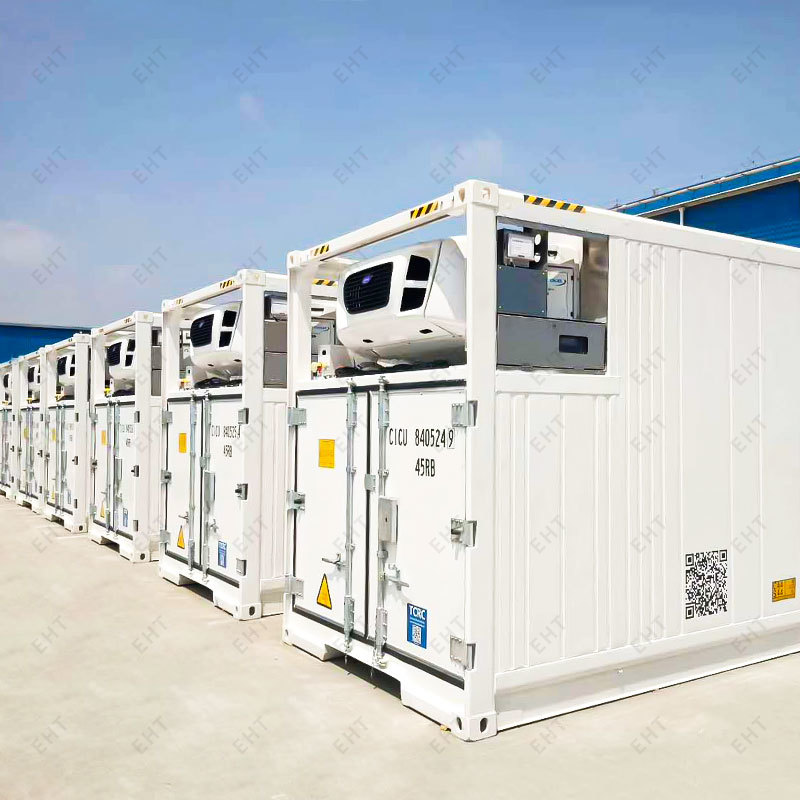
The growth of refrigerated intermodal containers — reefer ISO containers that can move seamlessly between ships, rail flatcars, and truck chassis — has expanded the reach and flexibility of cold chain rail transport substantially. Rather than loading loose pallets into a dedicated boxcar-style reefer, shippers increasingly use 45-foot or 53-foot refrigerated domestic containers that can be double-stacked on intermodal well cars and transferred to a truck chassis at destination without rehandling the cargo.
Major North American railroads, including BNSF and Union Pacific, operate dedicated temperature-sensitive intermodal services on high-frequency corridors connecting the produce-growing regions of the Southwest with population centers in the Midwest and Northeast. These networks include refrigerated container pools, plug-in electrical outlets on well cars that power container refrigeration units without burning diesel, and temperature-controlled transload facilities at key hubs.
When a container's diesel generator is replaced by shore power from the well car's electrical supply — a setup increasingly common on newer rail equipment — fuel consumption and emissions during transit drop dramatically. A single intermodal reefer train operating with shore power on a 1,500-mile corridor can eliminate the equivalent of over 3,000 gallons of diesel fuel compared to moving the same cargo by individual refrigerated trucks.
The intermodal model introduces handoff points where cold chain integrity must be carefully managed. At transload terminals, containers are lifted from rail cars and placed onto truck chassis, creating a window where electrical power is interrupted and the refrigeration unit must run on its own diesel. Terminal dwell time — the period a container sits in the yard between rail and truck — must be minimized and monitored to prevent temperature drift, particularly in summer heat or in yards located in warmer climates.
While virtually any perishable commodity can benefit from refrigerated rail transport, certain industries see outsized efficiency gains due to the volume, distance, and sensitivity of their freight.
Owning or leasing refrigerated railcar capacity is only one part of achieving efficiency gains. How cars are loaded, managed, and maintained determines whether the theoretical advantages of rail cold transport are actually realized in practice.
Refrigerated railcars represent one of the most powerful tools available for improving cold chain efficiency at scale. As infrastructure investment in intermodal networks continues and monitoring technology becomes more sophisticated, the gap in spoilage rates and transportation cost between rail-optimized cold chains and purely truck-dependent operations is likely to widen further in rail's favor.

What to stay up to date?
Contact us via the email address below.
No. 178, Wuzhou East Road, Economic Development Zone, Yangzhou, Jiangsu.
Copyright 2024 Yangzhou Yichengke Integrated Technology Co., Ltd. All Rights Reserved.

