

 English
 русский
 Español
 عربى
عربى40ft Custom Air Compressor Container
Specialized Shipping Container | 40ft Custom Air Compressor ContainerOverall Dimensions: 12192 × 2438 × 2896mmLarge...
Content
Energy storage containers are self-contained systems that integrate batteries, power electronics, and control units to deliver reliable energy in areas without access to centralized grids. For off-grid and remote operations, they provide a steady and sustainable electricity supply by storing energy from renewable or conventional sources and releasing it when needed. Their modular structure and ease of transportation make them highly suitable for locations where infrastructure is limited or unavailable.
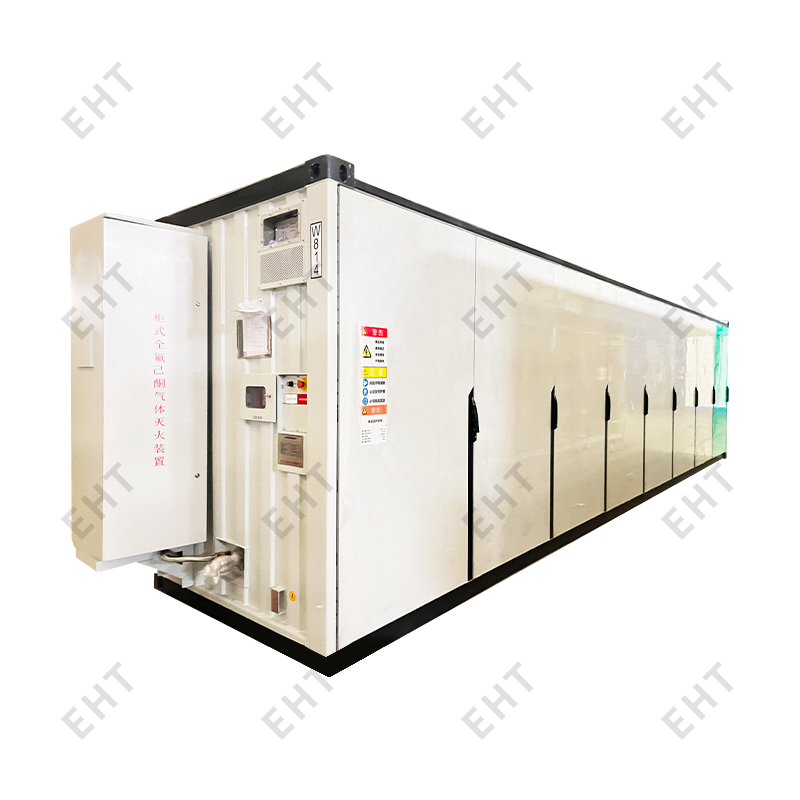
An energy storage container is built as an integrated system optimized for autonomy and resilience. Each element contributes to maintaining stable power delivery under fluctuating environmental and operational conditions.
|
Component |
Function in Off-Grid Operation |
|
Battery Pack |
Stores energy generated by renewable sources like solar or wind and supplies it during demand peaks or at night. |
|
Inverter and Converter System |
Transforms stored DC power into AC for practical use, balancing voltage and frequency for stable output. |
|
Battery Management System (BMS) |
Monitors and controls charging, discharging, and temperature to ensure safe and efficient performance. |
|
Energy Management System (EMS) |
Optimizes power flow, forecasting demand and coordinating renewable generation and stored energy use. |
In remote locations, energy storage containers are often combined with renewable generation units such as photovoltaic panels or wind turbines. This hybrid configuration minimizes reliance on diesel generators, lowering both fuel costs and carbon emissions. The container stores excess renewable energy produced during the day, making it available during periods of low production or high demand. This stability enables 24-hour power supply without requiring constant fuel delivery or maintenance.
Energy storage containers are designed for quick deployment and minimal site preparation. Their containerized structure allows easy transportation by truck, rail, or ship, significantly reducing setup time. Once installed, they operate with limited supervision due to automated monitoring and control systems. In remote industrial sites, telecom stations, or island microgrids, these systems help reduce dependence on fossil fuel logistics and provide consistent power for years with minimal maintenance requirements.
For off-grid communities and businesses, energy storage containers present both financial and environmental benefits. They stabilize energy availability, improve equipment lifespan, and lower the operational cost of power generation. By reducing reliance on transported fuels and enabling renewable integration, they support long-term sustainability goals and promote energy independence in remote regions.
Energy storage containers transform how remote and off-grid locations access reliable power. Through compact design, renewable compatibility, and advanced management systems, they provide a stable, cost-effective, and eco-friendly solution for energy autonomy. As global demand for sustainable and resilient power grows, containerized storage continues to play a key role in expanding off-grid infrastructure.

What to stay up to date?
Contact us via the email address below.
No. 178, Wuzhou East Road, Economic Development Zone, Yangzhou, Jiangsu.
Copyright 2024 Yangzhou Yichengke Integrated Technology Co., Ltd. All Rights Reserved.

