

 English
 русский
 Español
 عربى
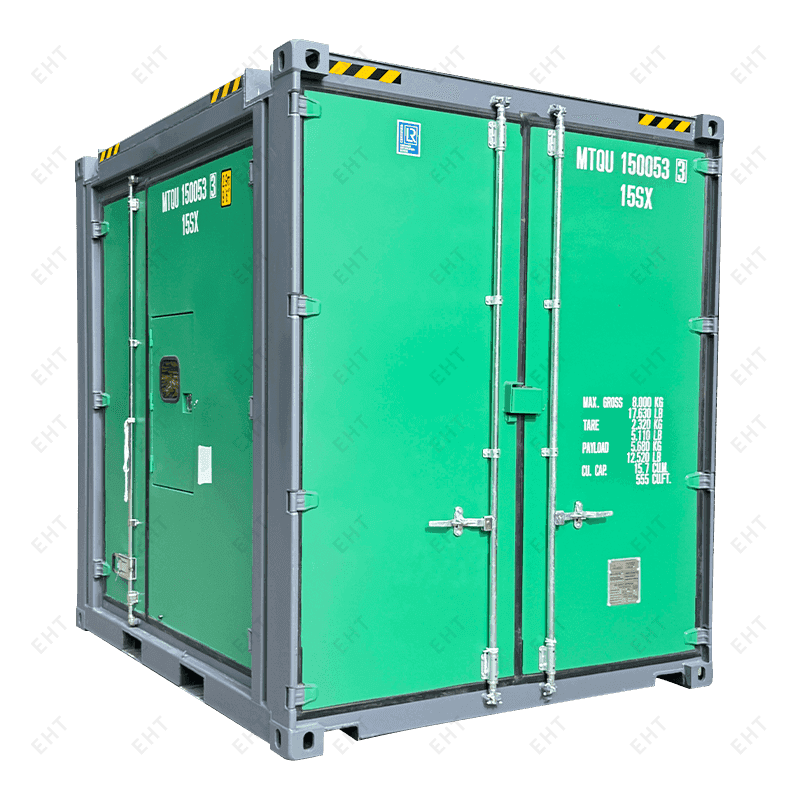
عربى40ft Custom Air Compressor Container
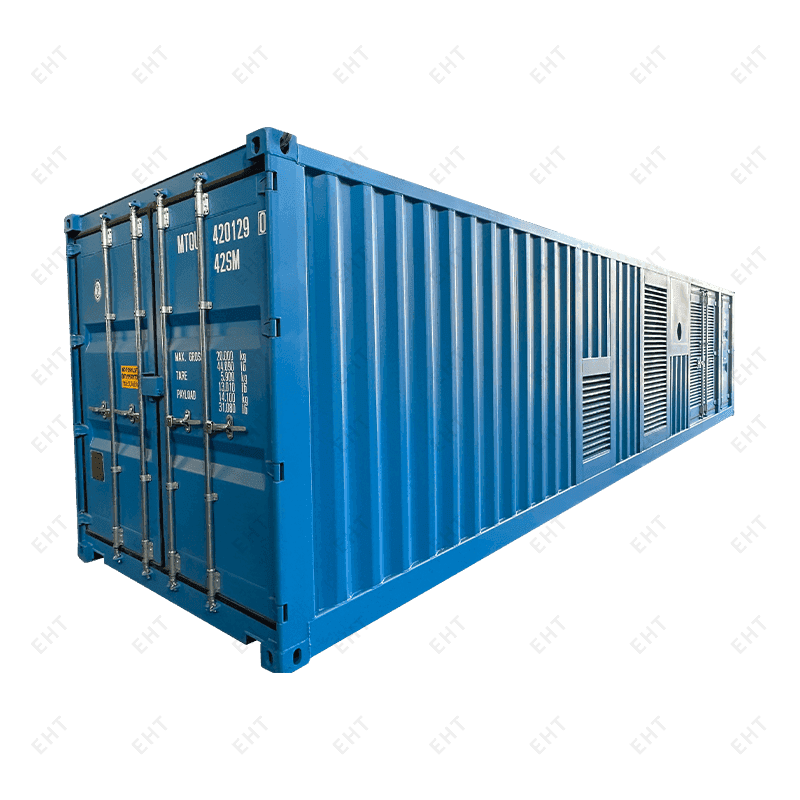
Specialized Shipping Container | 40ft Custom Air Compressor ContainerOverall Dimensions: 12192 × 2438 × 2896mmLarge...
Ask a dozen engineers how long a lithium battery lasts and you will collect a dozen answers, and most of them can be correct. The real number depends on the chemistry sealed inside the cells, how deeply the battery is discharged, how warm it runs, and how intelligently the electronics around it are managed. As a manufacturer of containerized battery energy storage systems, we answer this question almost every week, so here is the honest, field-tested version.
The short answer: a well-built lithium battery lasts roughly eight to fifteen years, or about 1,500 to 6,000 full charge cycles, before usable capacity falls to around 70 to 80 percent of what it delivered when new. Everything beyond that sentence is detail, but the detail decides whether a project enjoys five years of useful storage or twenty.
Content
Lithium cells rarely fail without warning. They fade, and the industry describes that fade with three different clocks that are easy to confuse.
One detail is worth remembering: a cycle is not a single plug-in event. One cycle equals 100 percent of capacity throughput, so two discharges from 100 percent down to 50 percent add up to one full cycle. That is why partial charging is gentle on a battery, and why a well-managed storage system accumulates far more useful cycles than its nameplate suggests.
The three chemistries most common in commercial storage behave quite differently, and choosing between them is really a decision about how long you want the asset to work.
| Chemistry | Cycle life to 80% capacity | Calendar life | Typical use |
|---|---|---|---|
| LFP (lithium iron phosphate) | 3,000 to 6,000 cycles | 10 to 15 years | Solar storage, containerized BESS |
| NMC (nickel manganese cobalt) | 1,500 to 3,000 cycles | 8 to 12 years | Electric vehicles, power tools |
| LTO (lithium titanate) | 10,000 to 20,000 cycles | 15 to 20 years | Fast-charge fleets, grid regulation |
For stationary projects, LFP has become the default for a simple reason: it tolerates daily deep cycling, is thermally more forgiving, and costs less per kilowatt-hour over its lifetime even when the upfront price is not the lowest.
Chemistry sets the ceiling. Five operating factors then decide where a real battery lands inside that range.
In our own workshop, every battery energy storage container leaves as a complete, tested unit: cells, modules, battery management, thermal control, fire suppression and switchgear integrated inside a certified steel enclosure. For grid support and renewable integration, a 20 ft battery energy storage container is a common starting point because it balances footprint, capacity and transport cost.
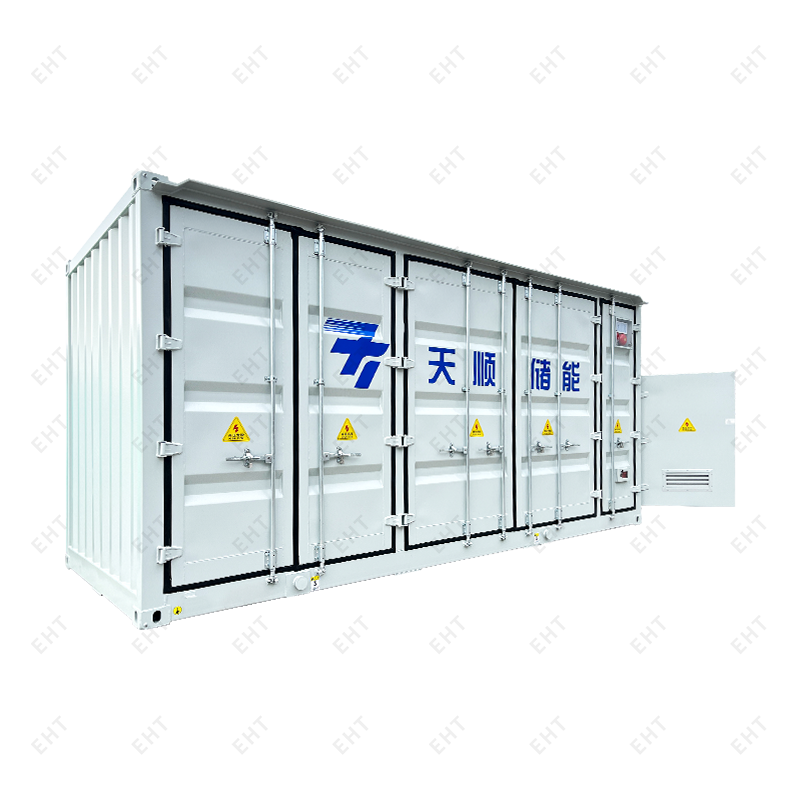 20ft Battery Energy Storage Container for Grid and Renewable Energy1. The 20-foot battery energy storage container is primarily used on the power side and grid side, suitable for grid-level energy storage, large microgrid energy stora...View Product →
A battery is only as durable as the system wrapped around it. Inside a properly engineered container, the battery management system continuously balances individual cells, keeps voltage and current inside conservative windows, and prevents the weakest cell in a string from dragging the whole pack down. The thermal system then removes the heat that cycling generates, holding the cells near their sweet spot even when outside air climbs past 40 °C. If you want the electronics in more detail, we have written a plain-language explanation of how battery management technology optimizes performance and lifespan.
Liquid cooling takes that a step further. A 32 ft liquid-cooled container with high-capacity cells spreads temperatures evenly across the rack, reducing the cell-to-cell drift that quietly eats capacity. It is the configuration we recommend for hot climates, high-utilization duty cycles and projects where a derated summer afternoon is simply not acceptable.
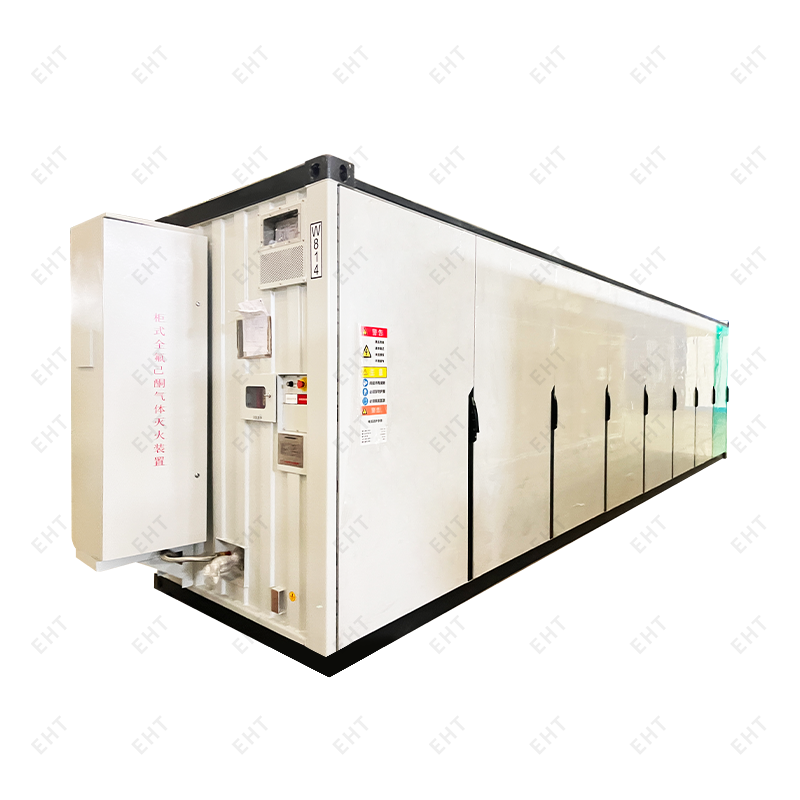 32ft High-Capacity Liquid-Cooled Battery Energy Storage Container with 3.72 MWh1. The 32ft battery energy storage container is primarily used on the power side and grid side, suitable for grid-level energy storage, large microgrid energy storage,...View Product →
Before specifying a system, decide how long the asset must perform. A construction camp dismantled after three years needs a different calculation from a grid-scale installation financed over fifteen. For long-horizon projects, larger racks and high-capacity cells reduce the number of cycles each individual cell sees per year, which stretches the calendar life of the whole installation.
A 40 ft high-capacity energy storage container with 3.5 MWh of capacity illustrates the point well. Fewer containers mean fewer thermal paths and fewer balancing points, so maintenance drops and each cell works less hard, which is exactly what long-term operators want.
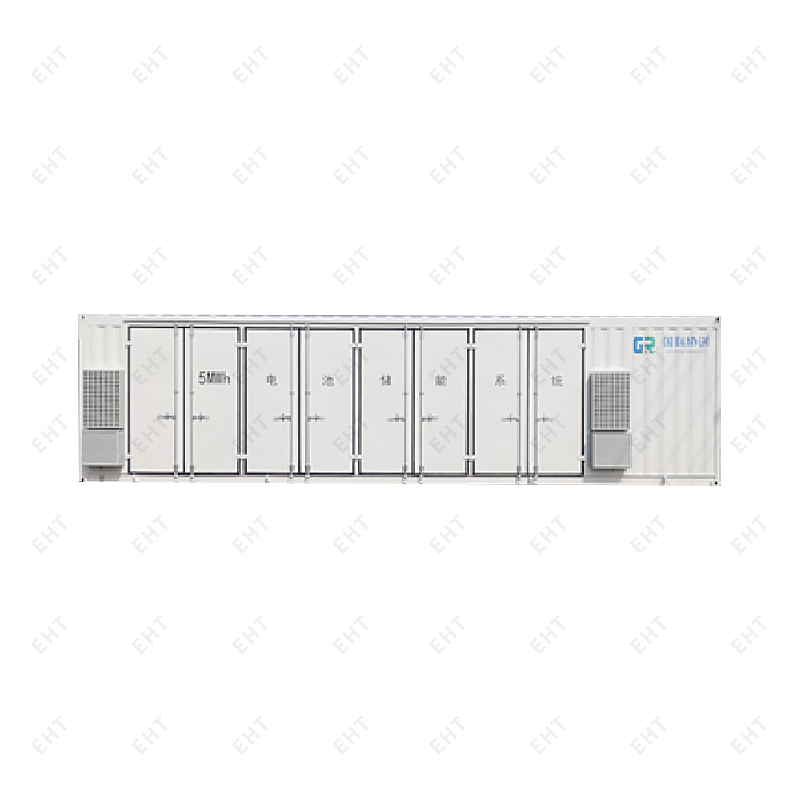 40ft High-Capacity Energy Storage Container with 3~5 MWh1. The 40ft battery energy storage container is primarily used on the power side and grid side, suitable for grid-level energy storage, large microgrid energy storage,...View Product →
Even at that point, the battery is rarely worthless. Packs retired from demanding duty cycles often serve for years in gentler second-life roles before final recycling.
For batteries that sit unused for long periods, yes. A mid-range state of charge slows calendar aging, which is why storage instructions usually recommend around 50 percent for a pack going into mothballs.
Modern devices stop charging at full and top up as needed, so damage is limited. The real stress is holding cells at high voltage for months, which is why some systems let you cap charging at 80 percent.
Most containerized systems are designed around a ten to fifteen year horizon, with a capacity augmentation in the middle of that period. Careful thermal design and conservative charge windows keep them on the optimistic side of that estimate.
The number to plan around is simple: eight to fifteen years for a well-built lithium battery, and closer to fifteen when chemistry, thermal control and management strategy are chosen with the same care as the price tag. Every project is different, so the useful answer comes from a conversation about your load profile, climate and expected service horizon. Tell us what you need to power, and we will help you size a system that still has capacity to spare a decade from now.

What to stay up to date?
Contact us via the email address below.
No. 178, Wuzhou East Road, Economic Development Zone, Yangzhou, Jiangsu.
Copyright 2024 Yangzhou Yichengke Integrated Technology Co., Ltd. All Rights Reserved.

