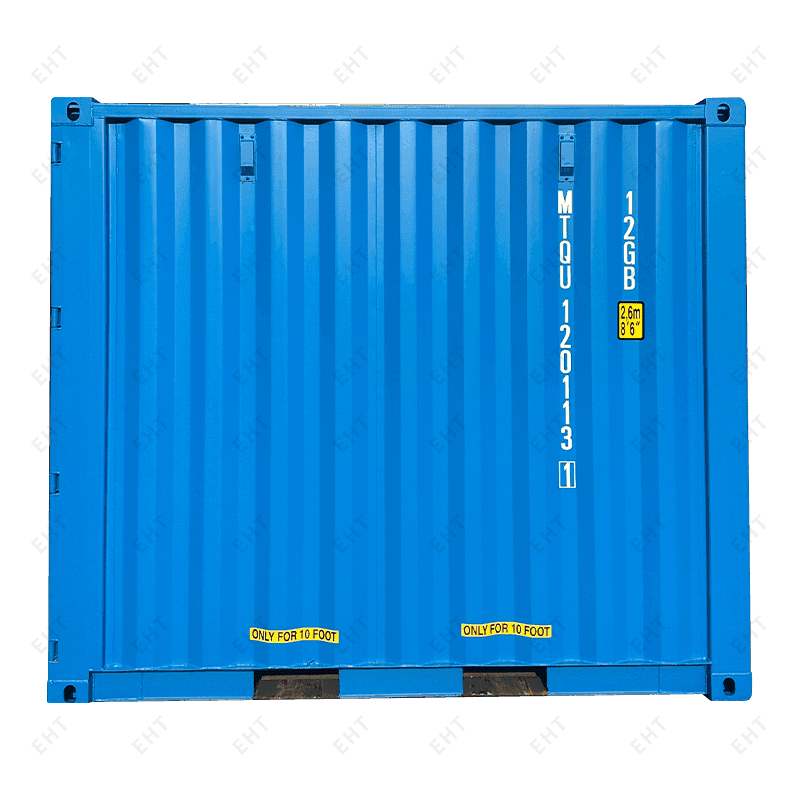
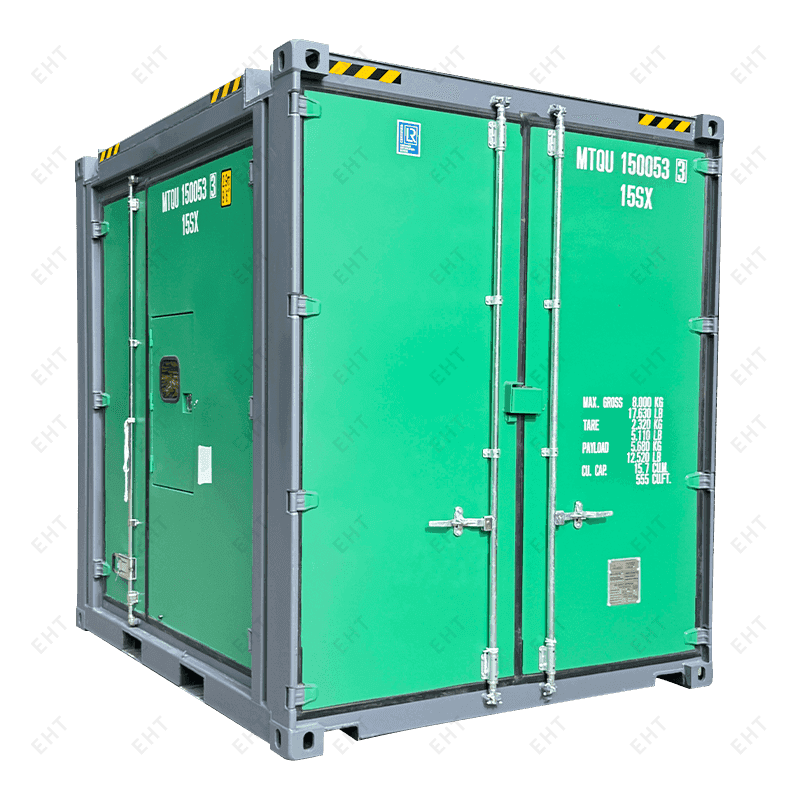
Shipping Container Quick-Reference: Weights, Dimensions, and Costs
Here are direct answers to the most common shipping container questions before diving deeper:
- How much does a 20-foot shipping container weigh? A standard 20 ft dry container has a tare (empty) weight of approximately 2,200–2,400 kg (4,850–5,290 lbs).
- How much does a 40-foot shipping container weigh? A standard 40 ft container weighs approximately 3,700–4,200 kg (8,160–9,260 lbs) empty; a 40 ft high-cube is slightly heavier at 3,900–4,500 kg.
- How wide is a 40-foot shipping container? External width is 2,438 mm (8 ft); internal width is 2,352 mm (7 ft 8 in).
- How many pallets fit in a 20-foot container? 10–11 standard GMA pallets (48×40 in) in a single layer; up to 20–22 if double-stacked where cargo height allows.
- How much is an empty shipping container? A used 20 ft dry container costs USD 1,500–3,500; a new one runs USD 3,000–5,000. A used 40 ft is typically USD 2,500–5,000; new, USD 5,000–8,000+.
The sections below provide full detail on weights by container type, pallet configurations, buying versus renting, wholesale purchasing, investing in containers, and how to open a shipping container correctly.
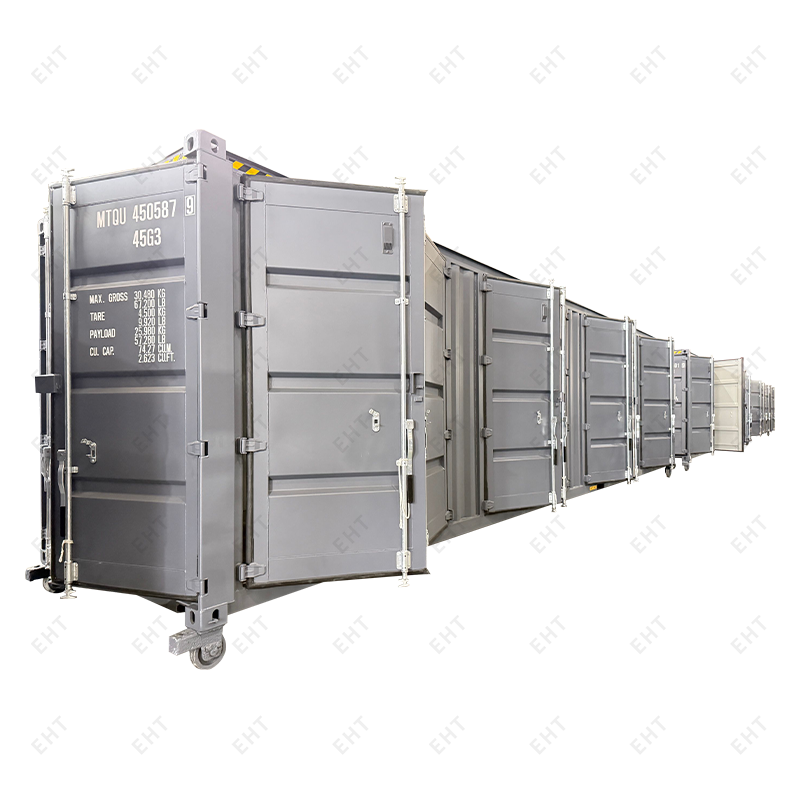
Shipping Container Weights: Every Common Size and Type
Container weight matters for transport planning, foundation design, lifting equipment selection, and road permit compliance. There are two critical weight figures for every container: tare weight (the empty container itself) and maximum gross weight (the maximum allowable combined weight of container plus cargo). The difference between them is the maximum payload.
Table 1: Shipping Container Weights and Dimensions by Type (ISO Standard)
| Container Type |
Tare Weight |
Max Gross Weight |
Max Payload |
External Dimensions (L×W×H) |
| 20 ft Standard Dry |
2,200–2,400 kg |
30,480 kg |
~28,080 kg |
6,058 × 2,438 × 2,591 mm |
| 40 ft Standard Dry |
3,700–4,200 kg |
30,480 kg |
~26,500 kg |
12,192 × 2,438 × 2,591 mm |
| 40 ft High-Cube |
3,900–4,500 kg |
32,500 kg |
~28,000 kg |
12,192 × 2,438 × 2,896 mm |
| 20 ft High-Cube |
2,350–2,500 kg |
30,480 kg |
~28,100 kg |
6,058 × 2,438 × 2,896 mm |
| 20 ft Open Top |
2,400–2,600 kg |
30,480 kg |
~28,000 kg |
6,058 × 2,438 × 2,591 mm |
| 40 ft Reefer |
4,500–4,900 kg |
32,500 kg |
~27,700 kg |
12,192 × 2,438 × 2,896 mm |
Note that individual containers vary in tare weight depending on manufacturer, age, and any modifications. The tare weight is stamped on the container's CSC plate and on the door post data panel — always check the actual plate rather than using a generic figure when planning lifts or road transport. A common road transport mistake is underestimating container weight and exceeding axle load limits — a loaded 20 ft container on a skeletal trailer combination can easily breach the 40-tonne gross vehicle weight limit on UK and European roads if cargo payload is not carefully planned.
Pallet count in a 20-foot container depends on pallet size, orientation, and whether double-stacking is possible. The 20 ft standard container has an internal floor area of approximately 5,898 × 2,352 mm (13.86 m²) and an internal height of 2,393 mm.
Single-Layer Pallet Loading
Standard GMA pallet (48×40 inches / 1,219×1,016 mm) is the most common North American pallet size. In a 20 ft container with these pallets:
- Straight loading (all pallets facing the same direction): 9–10 pallets fit in a single layer.
- Pinwheel loading (alternating orientation): 10–11 pallets can be fitted by rotating alternate rows 90°, making better use of floor width.
- Euro pallets (1,200×800 mm / 47.2×31.5 in): 11 pallets single layer in a 20 ft container — their narrower width fits two abreast more comfortably than GMA pallets.
Table 2: Pallet Counts by Container Size and Pallet Type
| Container |
GMA Pallets (48×40 in) — Single Layer |
Euro Pallets (1200×800 mm) — Single Layer |
GMA Pallets — Double Stacked |
| 20 ft Standard |
10–11 |
11 |
20–22 (if cargo height allows) |
| 40 ft Standard |
20–21 |
25 |
40–42 |
| 40 ft High-Cube |
20–21 |
25 |
40–42 (more practical due to extra height) |
Double stacking requires the loaded pallet height to be under approximately 1,100–1,150 mm (including the pallet itself at 150 mm) to fit two layers within the 2,393 mm internal height of a standard container, with clearance. The 40 ft high-cube, with its 2,697 mm internal height, makes double stacking more practical — pallets loaded to 1,250 mm can be double-stacked with comfortable clearance. Always verify cargo weight per pallet against the container's maximum floor load rating of 2,700 kg/m² when double stacking dense goods.
How to Open a Shipping Container: Doors, Locks, and Seized Hardware
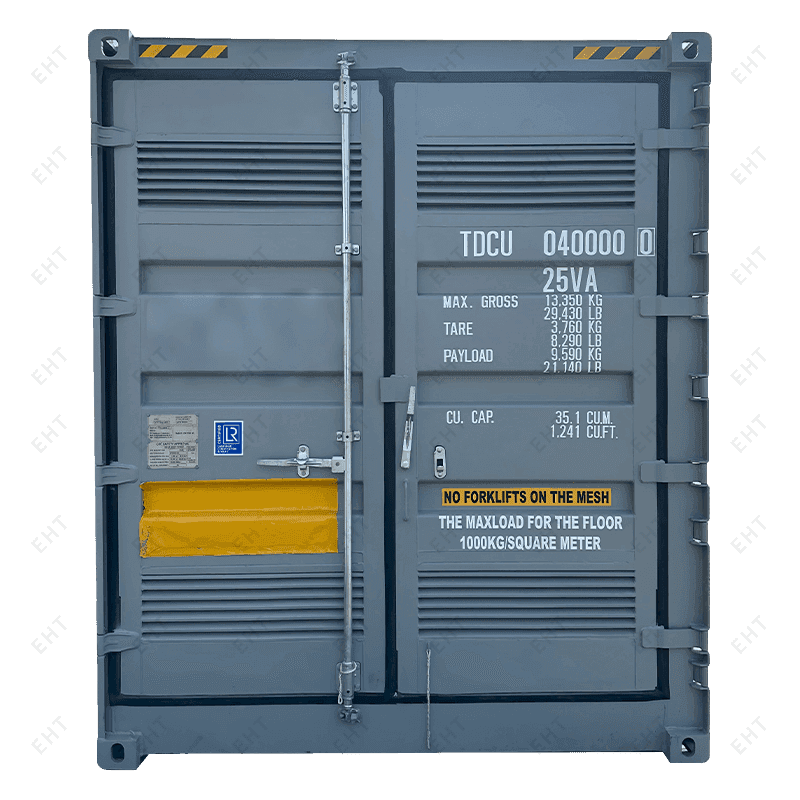
Shipping container doors use a system of four cam-action locking rods on each door leaf, engaging into keeper sockets in the door frame at top and bottom. The rods are turned by a handle (keeper bar) that lifts into a vertical lock position when the door is secured. Opening a container that has been in service is straightforward in most cases but can become difficult when hardware is corroded, seized, or distorted from impacts.
Standard Opening Procedure
- Remove any padlock or seal from the lockbox (the recessed hasp on the door).
- Lift the handle keeper bars up and away from their locking clips on both door leaves. The keeper bar pivots in a bracket — it should swing freely if not corroded.
- Rotate the locking rod handles 90° to disengage the cams from the keeper sockets. On a standard door, this requires rotating the handle downward (toward 6 o'clock position) to release.
- Pull the right-hand door leaf open first — it typically opens first due to the door overlap design. Then open the left-hand door.
- Secure open doors using the door retaining hooks — chains or rubber bungee straps attached to the container side wall that hold doors at 270° (folded back flat against the container side) when loading or unloading.
Dealing with Seized or Corroded Door Hardware
Containers that have been stored outdoors for extended periods frequently develop seized locking rods and stiff cam mechanisms. The standard approach:
- Apply penetrating oil (WD-40, PB Blaster, or equivalent) liberally to all hinge points, rod bearings, cam sockets, and handle pivots. Allow 15–30 minutes to penetrate before attempting to move anything.
- Use a rubber mallet to tap the keeper bar brackets downward if they are stuck in the locked position — never use a steel hammer directly on the brackets, which can distort them further.
- Apply a long pipe or scaffold tube over the locking rod handle to increase leverage if the cam will not rotate. The additional leverage usually breaks the corrosion bond without damaging the rod.
- If a door is distorted from an impact and will not open, a hydraulic porta-power jack can be used to straighten the door frame — place the jack between the door frame and the container corner post to push the frame back into square before attempting to open.
- As a last resort, an angle grinder can cut through a seized locking rod — the rod can be replaced for approximately USD 30–60 per rod from container hardware suppliers.
How to Buy a Shipping Container: New, Used, and What to Inspect
Buying a shipping container is straightforward but requires knowing the grading system, what to inspect, and where to source units. The three primary purchase channels are direct from shipping lines, from container depots and dealers, and through online marketplaces.
Container Condition Grades
- New / One-Trip (1-Trip): Used once to ship cargo from the manufacturing country (typically China) to the destination market. Structurally near-new with minor cosmetic marks. The best quality used container available. Prices typically 20–40% above cargo-worthy grade.
- Cargo Worthy (CW): Meets the requirements for international shipping — structurally sound, weathertight, and with a valid CSC plate. May have surface rust, dents, and cosmetic damage but is legally certified for cargo use. The standard grade for most buyers.
- Wind and Water Tight (WWT): Structurally sound enough to prevent water ingress but no longer certified for shipping. Suitable for on-site storage, modification into buildings, or static applications. Typically 20–35% cheaper than CW grade.
- As Is: Sold without any condition guarantee. May have holes, severe corrosion, or structural damage. Only suitable for scrap metal value or highly specific projects where condition is irrelevant.
Pre-Purchase Inspection Checklist
Always inspect a container physically before purchasing, or commission a third-party inspection if buying remotely:
- Light test: Close all doors and stand inside. Any pinholes of light indicate holes that will admit water. Even small rust-through holes will grow rapidly once the protective oxide layer is breached.
- Floor integrity: Walk every inch of the floor, probing with a screwdriver where soft spots are suspected. Tropical hardwood floors (typically Keruing or Apitong) absorb moisture over time and can rot while appearing intact from above. Replace if hollow sounds are detected.
- Corner post and sill corrosion: Check the base corners and bottom rails — the most common locations for structural corrosion due to standing water accumulation. Light surface rust is acceptable; pitting that reduces material thickness by more than 30% is a structural concern.
- Door seals and gaskets: Inspect the rubber door gaskets for cracking, compression set, or damage. Replacement gaskets cost approximately USD 50–150 per door set but are straightforward to fit.
- CSC plate validity: Confirm the CSC plate is present, legible, and that the next examination date has not expired if you intend to use the container for shipping.
Typical Purchase Prices (USD, 2024 Market)
Table 3: Indicative Shipping Container Purchase Prices by Size and Condition (USD)
| Container Type |
WWT Grade |
Cargo Worthy |
One-Trip / New |
| 20 ft Standard |
$1,200–$2,200 |
$1,800–$3,200 |
$3,200–$5,000 |
| 40 ft Standard |
$1,800–$3,500 |
$2,500–$4,500 |
$5,000–$7,500 |
| 40 ft High-Cube |
$2,000–$3,800 |
$2,800–$5,000 |
$5,500–$8,500 |
Prices fluctuate significantly with global shipping demand cycles. During the 2021–2022 supply chain crisis, new container prices reached USD 6,000–8,000 for a 20 ft unit — double the pre-pandemic norm. By late 2023 and into 2024, prices corrected sharply as the container surplus built up at major ports. Always get at least three quotes from regional depot suppliers before purchasing.
How to Buy Shipping Containers Wholesale
Buying containers wholesale — in lots of 10, 50, or hundreds of units — is how container traders, storage businesses, modular building companies, and leasing investors acquire inventory at the lowest unit cost. Wholesale pricing typically reduces unit cost by 15–35% compared to buying individual containers from a dealer.
Wholesale Sourcing Channels
- Direct from shipping lines: Major carriers (Maersk, CMA CGM, COSCO, Hapag-Lloyd, MSC) sell retired fleet containers directly. Their minimum lot sizes are typically 50–200 TEU and units are sold at port depot locations, often requiring the buyer to arrange transport. Prices are usually the lowest available on the market for cargo-worthy grade, but you accept the containers as-is with no condition selection.
- Container auction platforms: Online auction platforms including Container xChange, Tradebox, and regional platforms list containers from shipping lines and large traders. Lots range from single units to large batches. Buyers can filter by location, condition, and grade — useful for targeting specific geographic depots to minimize transport costs.
- Import direct from China: For new (one-trip) containers, purchasing directly from Chinese manufacturers (CIMC, Singamas, CXIC) or through an import agent and shipping a batch as freight gives the lowest possible new-container price. Minimum orders from factories are typically 10–20 units. Lead time from order to delivery at a US or European port is typically 45–90 days.
- Large regional depot traders: Established container dealers with depot networks (e.g., Triton, Florens, SeaCastle in the leasing space; regional traders in each market) offer volume pricing for buyers purchasing 10+ units. Negotiate directly with the sales team rather than accepting website list prices — bulk discounts of 10–20% off list price are standard for lots of 10 or more.
Logistics and Transport Costs
Container transport cost is a significant variable in wholesale purchasing. Delivery of a single 20 ft container by skeletal trailer within 50 miles of a port depot typically costs USD 200–500; over 200 miles, transport costs can reach USD 800–1,500 per unit. For large wholesale lots at a single depot, consolidating pickup with a dedicated multi-drop transport contractor reduces per-unit delivery cost substantially. Always calculate the landed cost (purchase price + transport) when comparing wholesale offers from different depot locations.
How to Rent a Shipping Container
Renting (hiring) a shipping container makes financial sense for temporary storage needs, short-term site requirements, and situations where the capital cost of purchase is not justified. The rental market is well-developed in most markets, with local and national suppliers offering flexible terms.
Typical Rental Rates
Monthly rental rates vary by market, container size, condition, and rental term length:
- 20 ft standard container: USD 75–150 per month in the US; £60–120/month in the UK. Long-term contracts (12+ months) attract 10–20% discounts.
- 40 ft standard or high-cube: USD 100–200 per month; £80–160/month in the UK.
- Refrigerated (reefer) containers: USD 300–600/month, plus power consumption costs (typically 3–5 kW continuous draw).
- Delivery and collection charges: Typically USD 150–400 each way for standard containers within local delivery radius. This one-time cost is significant for short rental terms — a 1-month rental with USD 300 each-way delivery effectively doubles the cost of renting.
For rental periods exceeding 18–24 months, purchasing is almost always more economical than continuing to rent. At USD 120/month rental, a 20 ft container costs USD 2,880 over 24 months — approaching or exceeding the purchase price of a WWT-grade container in most markets, and the renter has no asset at the end.
What to Check Before Signing a Rental Agreement
- Damage liability: Confirm exactly what damage you are responsible for and what constitutes normal wear. Most contracts hold the renter responsible for any damage beyond surface marks.
- Minimum rental period: Many suppliers have a minimum term of 1–3 months; early return may incur penalties.
- Site access requirements: Confirm the delivery vehicle (typically an 18-wheel flatbed or tilt-tray truck) can access your site. Tight access, overhead obstructions, or soft ground may require special delivery equipment at additional cost.
- Planning permission (UK/EU): In many jurisdictions, a container on private land for more than a set period (often 28 days for temporary structures in the UK) may require planning permission. Check local regulations before placing an order.
How to Invest in Sea Containers and What a Container Ship Costs
Container investment exists at two very different scales: investing in individual containers as a leasing asset, and investing in container ships or shipping companies. Both involve distinct risk profiles and capital requirements.
Individual Container Leasing Investment
Several platforms and schemes market individual container investments to retail investors, typically structured as: you purchase one or more containers at a set price, the operator leases them to shipping lines, and you receive a monthly lease income. Advertised returns have ranged from 8–15% annually in marketing materials.
This sector has a documented history of fraud and failed schemes. Several high-profile container investment operators — including Container Capital International and others — have collapsed with investor losses. Key risks include:
- Containers are a commodity asset with prices that fluctuate significantly — values dropped 40–50% from 2022 peaks by 2024.
- Individual investors rarely have direct title to specific containers — pooled arrangements mean you cannot easily liquidate your holding.
- Legitimate container leasing is dominated by large institutional players (Triton, Florens, Beacon Intermodal). Retail investors cannot compete on cost of capital.
A more transparent approach to container sector investment is through publicly traded shipping companies and container leasing REITs — stocks such as Triton International (TRTN), Textainer Group (TGH), or shipping line stocks, which provide liquidity and regulatory oversight absent from private container investment schemes.
How Much Does a Container Ship Cost?
Container ship prices vary enormously by vessel size, age, and market conditions:
- Small feeder vessel (500–1,000 TEU): USD 8–25 million secondhand; USD 35–55 million newbuild.
- Panamax vessel (~5,000 TEU): USD 35–80 million secondhand; USD 80–120 million newbuild.
- Ultra Large Container Vessel (ULCV, 20,000–24,000 TEU): USD 180–250 million newbuild. The largest vessels (HMM Algeciras class at 24,000 TEU) represent the current ceiling and cost approximately USD 200–220 million per vessel at 2023 newbuild prices.
Ship values are highly cyclical — the same 5,000 TEU vessel that sold for USD 150 million in the 2021 freight boom could be valued at USD 45 million in a market downturn two years later. Newbuild prices at South Korean and Chinese shipyards (Hyundai Heavy Industries, Samsung Heavy Industries, COSCO Shipping Heavy Industry) have been relatively stable at USD 55–65 million per Panamax unit in 2023–2024, supported by strong demand for LNG-dual-fuel vessels meeting IMO 2030 emissions requirements.


 English
 русский
 Español
 عربى
عربى