

 English
 русский
 Español
 عربى
عربى40ft Custom Air Compressor Container
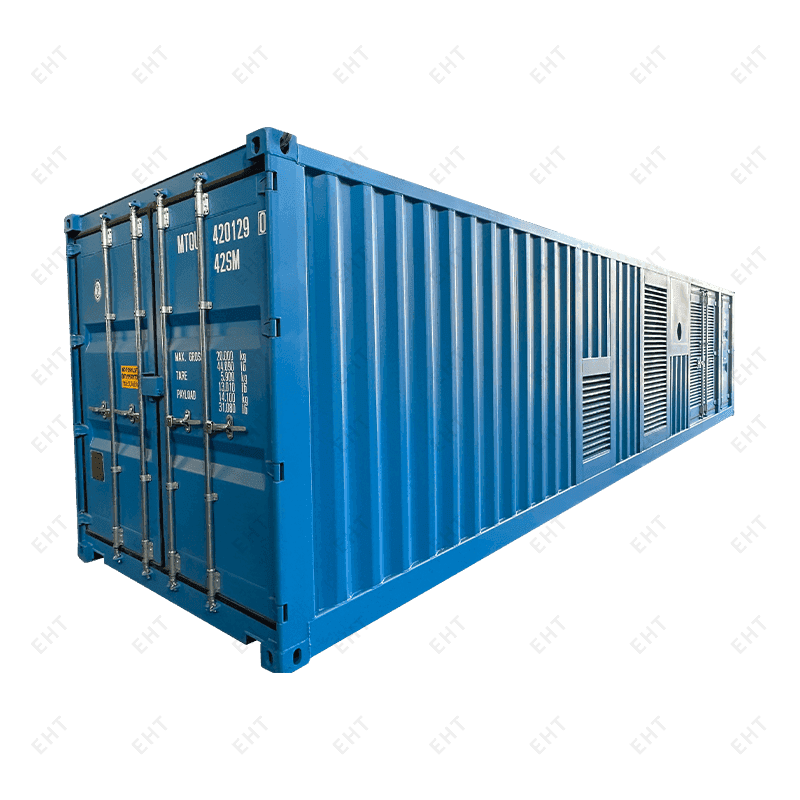
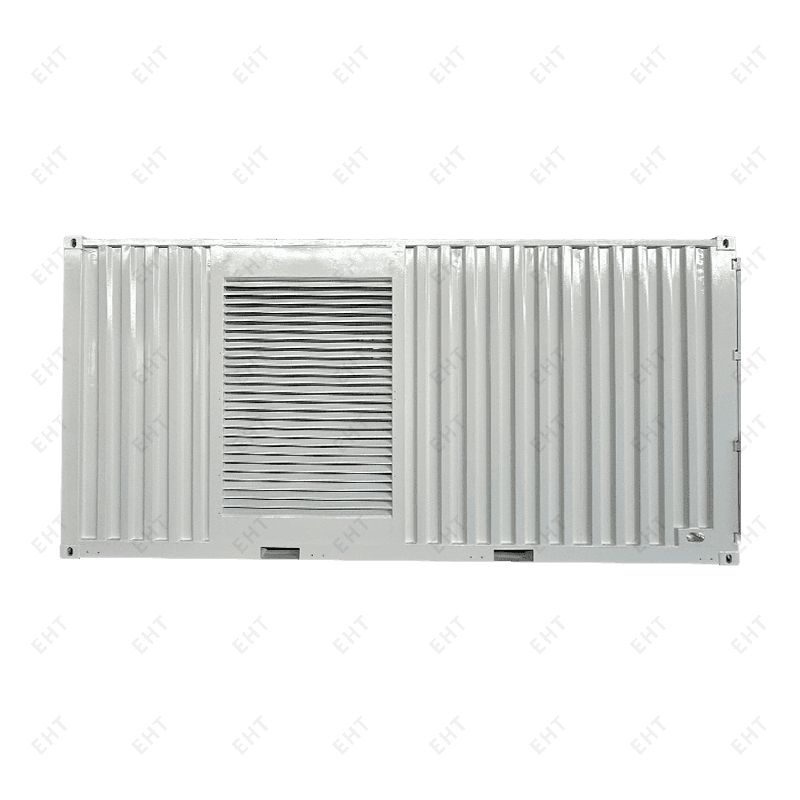
Specialized Shipping Container | 40ft Custom Air Compressor ContainerOverall Dimensions: 12192 × 2438 × 2896mmLarge...
Content
Super freezer containers are a core part of international cold chain logistics, especially when transporting pharmaceuticals, biological materials, or high-value frozen food. The internal temperature stability is essential for long sea voyages, multiple transits, and regional power switching during customs checks and terminal transfers. Containers must maintain consistent ultra low temperatures without fluctuation for the entire transport period.
For example, advanced systems integrate temperature sensors and alarm mechanisms that monitor temperatures at multiple spots inside the container to ensure a representative reading and allow for rapid response to deviations. Alarm systems can send notifications when temperatures fall outside predefined safe ranges, greatly reducing the risk of cargo loss.
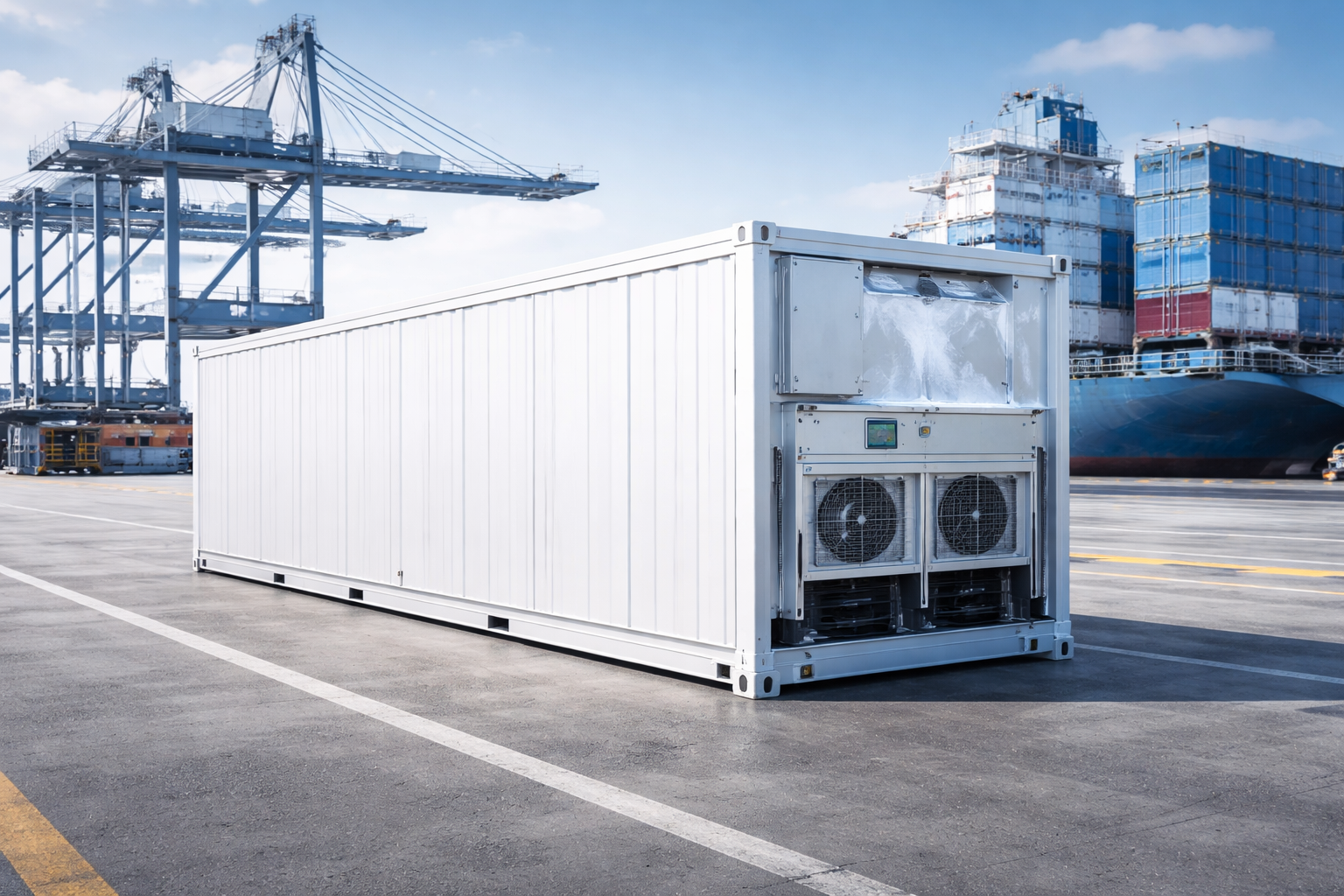
High-performance insulation is a key specification that significantly influences a super freezer container’s ability to retain temperature under varied global conditions. Whether passing through tropical ports or colder climates, the insulation system must minimize thermal influx and reduce energy consumption.
Super freezer containers used in global logistics must accommodate varying power inputs across ports and inland transfer points. Voltage standards, frequency differences, and connector types vary by region, and the refrigeration system must operate seamlessly across these variations to avoid interruptions that can compromise cargo.
Design solutions that support flexible power input and allow smooth transitions between shore power, onboard generators, and trucking units are essential for ensuring stable temperatures regardless of external power changes.
Super freezer containers tailored by manufacturers such as JSEHT are customized within ISO shipping container standards. This compliance ensures global compatibility with container handling systems, cranes, racks, and road-rail intermodal transfer equipment.
Effective airflow design inside the container is crucial to avoid localized temperature differences. Inconsistent temperature distribution can easily occur during door openings, power switches, or extreme external weather, jeopardizing the integrity of sensitive goods during global transit.
Well-engineered circulation systems reduce hot spots and speed up temperature recovery after door openings, which contributes to greater product safety and logistical reliability.
For cross-border transport, traceability and documented records are more than best practices—they are often regulatory requirements. Data logging systems track temperature history throughout transport, and remote monitoring allows logistics managers to react before conditions deteriorate.
Integrating data alerts into central freight management systems also provides valuable analytics for evaluating performance across entire cold chain routes and improving future operations.
Global transport introduces complex handling points and extended exposure to external facilities. Security-oriented design specifications help ensure that both the container and its contents remain protected throughout the journey.
|
Specification Category |
Focus for Global Transport |
|
Temperature Stability |
Continuous ultra low maintenance during entire transit |
|
Insulation Performance |
Robust thermal retention with minimal energy loss |
|
Structural Compliance |
ISO compatibility for stacking and handling |
|
Monitoring Systems |
Real-time data logging and remote alerts |
Integrating precise specifications into procurement and planning ensures that super freezer containers perform reliably across diverse global routes. Containers from seasoned manufacturers with modular customization and integration capabilities, such as those provided by JSEHT, support strong performance, customization options, and logistics adaptability tailored to specific cargo types and transport challenges.:contentReference[oaicite:3]{index=3}
By targeting specifications rather than generic labels, logistics planners can reduce operational risk, protect cargo integrity, and achieve consistent cold chain performance from origin to final destination.

What to stay up to date?
Contact us via the email address below.
No. 178, Wuzhou East Road, Economic Development Zone, Yangzhou, Jiangsu.
Copyright 2024 Yangzhou Yichengke Integrated Technology Co., Ltd. All Rights Reserved.

