

 English
 русский
 Español
 عربى
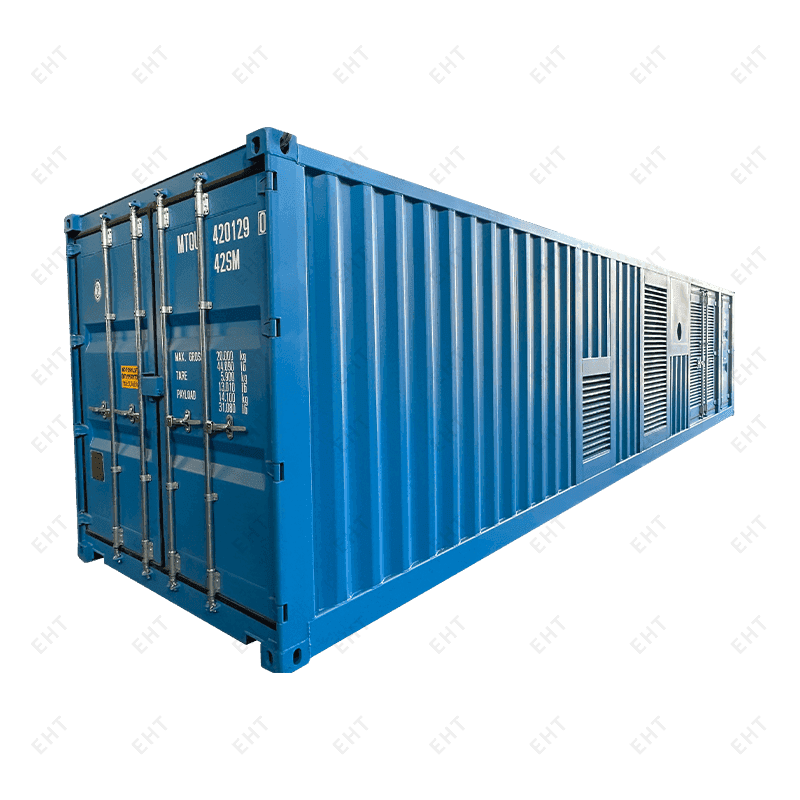
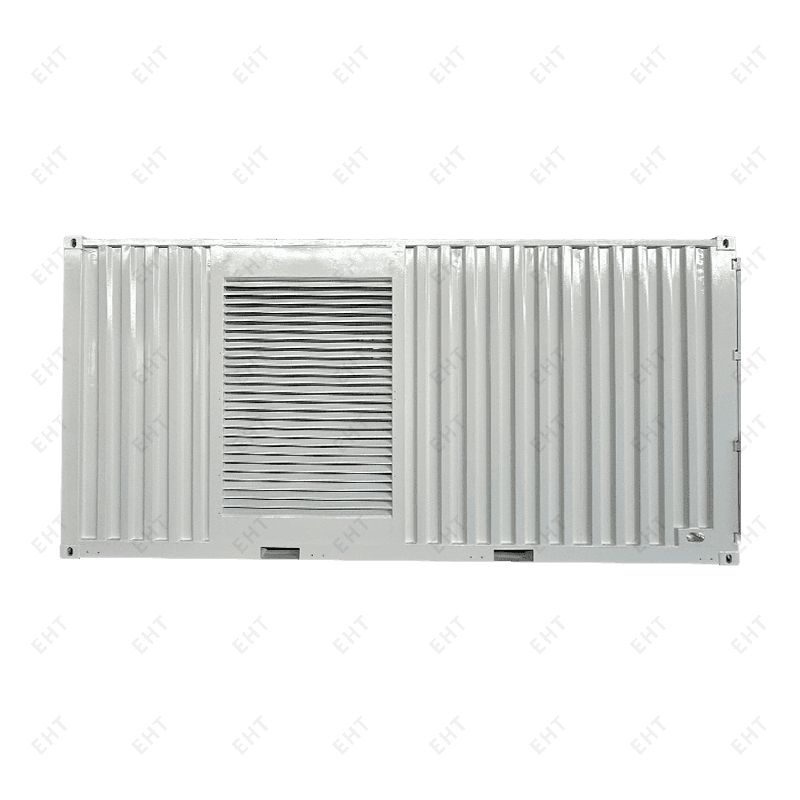
عربى40ft Custom Air Compressor Container
Specialized Shipping Container | 40ft Custom Air Compressor ContainerOverall Dimensions: 12192 × 2438 × 2896mmLarge...
Content
Many off-grid sites face the hidden cost of fuel supply: convoy planning, storage permitting, theft risk and variable regional fuel prices. Mobile solar power containers reduce hours of genset runtime by using solar as the primary daytime source and batteries for smoothing, which translates to fewer fuel deliveries and smaller on-site fuel storage. For projects in remote regions, this can convert an unpredictable ongoing line-item into a predictable capital expense with a calculable payback period when combined with battery cycle economics and expected solar yield.
Project managers report operational savings not only from reduced diesel consumption but also from lowered logistic overhead: fewer lift/crane ops to offload drums, less staff time for fuel management, and reduced insurance/ancillary costs tied to fuel handling. When modeling total cost of ownership, include fuel-delivery frequency scenarios and fuel price volatility to capture the true savings potential.
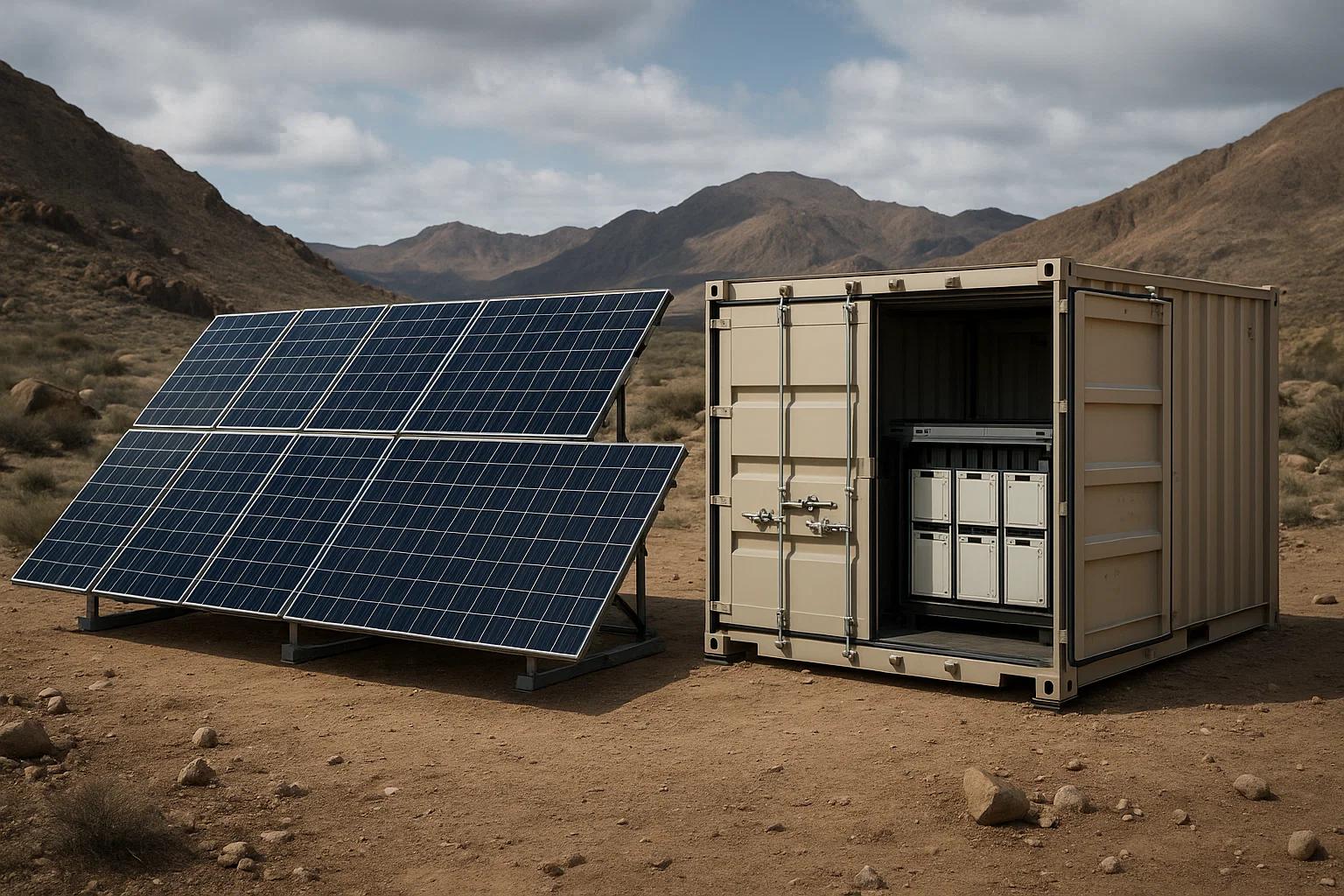
Unlike field-built PV and storage arrays that require on-site wiring, civil work and multiple vendor interfaces, containerized units arrive pre-assembled and factory tested. This compresses commissioning timelines — often from weeks to days — enabling rapid activation for time-sensitive projects such as exploration camps, emergency response, or temporary events.
Insist on detailed factory acceptance test (FAT) reports that include PV yield simulations, BMS logs and inverter performance under defined load profiles. A thorough FAT reduces on-site adjustments and shortens the handover checklist, avoiding repeated site visits that drive up indirect costs.
Integrated energy management systems in modern containers orchestrate PV, batteries and backup gensets to minimize stress on mechanical systems. By prioritizing solar and charging batteries opportunistically, these controllers reduce genset start/stop cycles and runtime hours, extending generator life when one is present. Remote telemetry and analytics enable condition-based maintenance rather than fixed-interval servicing, improving uptime and reducing unnecessary truck rolls.
Real-time monitoring of state-of-charge, cell voltages, inverter thermal trends and PV array yield allows maintenance teams to schedule interventions only when data indicates degradation. This approach lowers mean time to repair and optimizes spare-parts stocking based on real usage rather than conservative estimates.
Replacing or supplementing diesel gensets with solar and battery storage sharply cuts CO₂, NOx and particulate emissions at the site level. For operators in jurisdictions with emissions caps or air quality permitting, containerized solar systems can simplify compliance by reducing hourly generator emissions below regulatory thresholds or shortening hours during which emissions monitoring is required.
Accurate telemetry enables direct measurement of avoided diesel consumption and supports carbon reporting frameworks. For organizations pursuing Scope 1 reductions, deploy containers with verifiable metering and documented baselines so reported savings stand up to internal and external audits.
Mobile containers are modular by design: extra units can be added in parallel to increase capacity, or units can be removed and redeployed between sites as projects move. This flexibility is valuable for phased developments, seasonal demand swings, or contractors who need temporary power for many short-duration jobs without long procurement cycles.
Because containers are standard transport dimensions, secondary markets and rental models exist. Procurement teams can choose CAPEX purchase, lease, or power-as-a-service models to match balance-sheet objectives and reduce stranded asset risk when project timelines are uncertain.
Containerized architecture consolidates high-voltage DC, battery racks, inverters and controls into a single, organized footprint with standardized connection panels. This reduces the number of subsystem vendors, simplifies safety training for technicians, and lowers the incidence of field wiring errors that commonly occur during ad-hoc installations.
Enclosing batteries and power electronics in a climate-controlled container with engineered ventilation, fire detection and suppression provisions reduces exposure to dust, moisture and accidental damage. Compared with decentralized battery racks and rooftop PV installs, container systems can centralize hazardous energy procedures and fire mitigation equipment, making compliance with site safety management systems more straightforward.
Look for containers with segregated AC/DC compartments, fire-rated barriers, dedicated exhaust and HVAC redundancy, and accredited BMS fault-isolation features. These design choices materially reduce probability of thermal runaway events and simplify emergency isolation workflows.
|
Metric |
Mobile Solar Power Container |
Traditional Diesel Genset |
|
Operational fuel dependency |
Low (solar primary) |
High (continuous supply) |
|
Typical site activation time |
Days (pre-integrated) |
Weeks (site install) |
|
Monitoring & remote control |
Standard, often included |
Optional / aftermarket |
|
Emissions |
Minimal during solar operation |
High when operating |
Taken together, these technical and operational advantages explain why off-grid facilities increasingly select mobile solar power containers: they convert volatile operating costs into manageable capital planning, reduce environmental and safety risk, shorten activation timelines, and create modular capacity that adapts to project lifecycles. For procurement and operations teams, the pragmatic step is to quantify site-specific load profiles and logistics constraints so the selected container solution delivers measurable savings and operational resilience.

What to stay up to date?
Contact us via the email address below.
No. 178, Wuzhou East Road, Economic Development Zone, Yangzhou, Jiangsu.
Copyright 2024 Yangzhou Yichengke Integrated Technology Co., Ltd. All Rights Reserved.

