

 English
 русский
 Español
 عربى
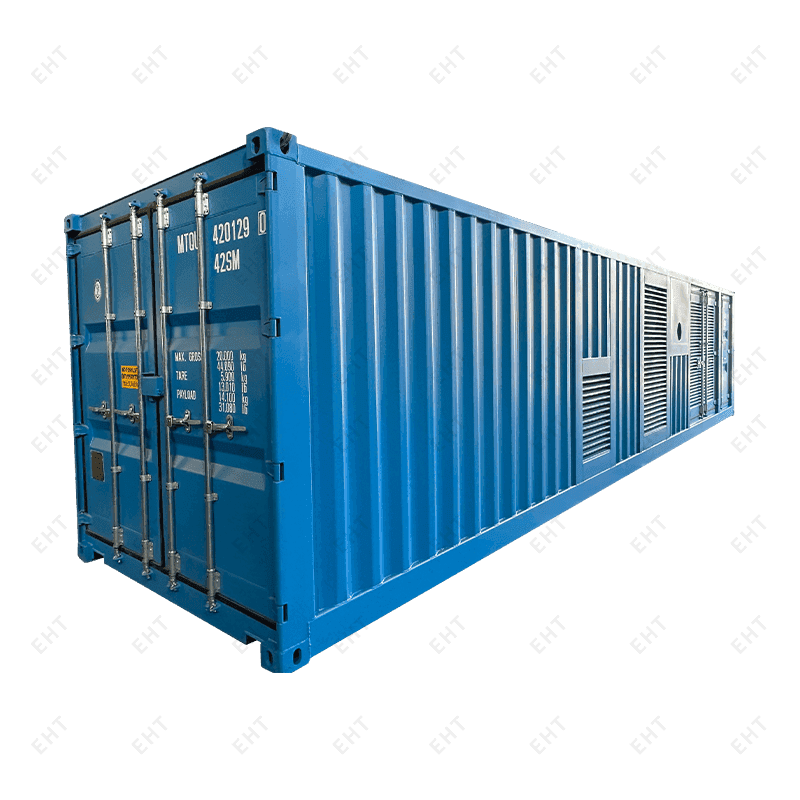
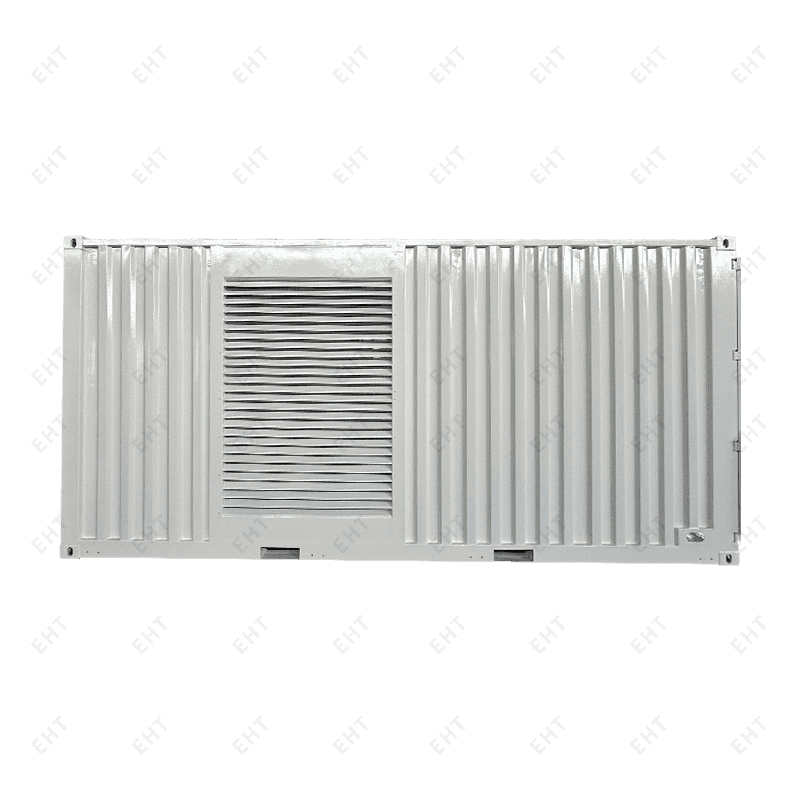
40ft Custom Air Compressor Container
Specialized Shipping Container | 40ft Custom Air Compressor ContainerOverall Dimensions: 12192 × 2438 × 2896mmLarge...
A temperature controlled container is one of those subjects that sounds simple until you need to specify one. In practice, the phrase can describe an insulated box with a small cooling unit, a high-specification reefer with remote monitoring, or a custom-built chamber for equipment that must stay within a narrow band. The difference matters. In our workshop, projects tend to go smoothly when the container is matched to the cargo, the route, the ambient conditions, and the power available at site, rather than chosen from a catalog alone.
Content
At its core, a temperature controlled container is an insulated steel box with an active temperature management system. The insulation slows heat transfer, while the refrigeration unit removes heat or, in some configurations, adds heat to hold a set point. Airflow is just as important as cooling capacity: cold air has to reach the cargo, not just the walls. Door seals, floor design, and stowage patterns all affect how evenly the load is treated.
Reefer containers are the most familiar example. They are built to hold a wide range of set points, and industry designs can cover deep-frozen and chilled duties within a broad envelope. But a reefer is not a one-size-fits-all answer. Produce may need fresh-air exchange. Frozen goods need tight control around defrost cycles. Pharmaceuticals may need temperature mapping, alarms, and documented excursion handling. Industrial equipment may care more about dust, humidity, and vibration than about a perfect chilled set point. If you are new to the terminology, our guide on how reefer containers work is a useful starting point.
The refrigeration unit is the heart of the system. A compressor, condenser, expansion device, and evaporator work together to move heat out of the box. The evaporator fan circulates air through the cargo space, and the controller cycles the unit to hold the set point. Sensors measure return air and supply air, and sometimes cargo-space or product-simulated temperatures. Good controllers log data, trigger alarms, and support remote monitoring so that a problem is visible before the cargo is lost.
Several details separate a workable design from a frustrating one:
Multi-temperature reefer containers use separate evaporators or divided compartments to hold different set points in one box. They are useful for mixed retail deliveries, food service, and route trade where chilled and frozen goods travel together. The trade-off is complexity: airflow balancing, door openings, and defrost behavior need more attention than a single-compartment unit.
Temperature controlled containers come in several practical formats. The table below compares common roles rather than fixed specifications, because the right configuration depends on the cargo and the operating profile.
| Format | Typical role | Good fit | Practical note |
|---|---|---|---|
| 10ft offshore reefer | Compact temperature control on platforms and vessels | Provisions, samples, small medical or laboratory loads | Lifting points, corrosion protection, and marine conditions matter as much as cooling capacity |
| 20ft food reefer | General chilled and frozen food distribution | Produce, dairy, meat, seafood, retail and catering supply | A practical balance between payload, power demand, and footprint |
| 20ft quickfreeze reefer | Rapid pull-down and deep-freeze duty | Ice cream, frozen meat, seafood, ready meals, and high-value frozen cargo | Pre-cooling, door discipline, and defrost settings have a large effect on performance |
| 40ft railway reefer | Long-distance rail cold chain | Perishable goods moving between inland terminals and ports | Vibration, power interfaces, and door access need to suit rail operations |
| 40ft TIR reefer | International road transport under customs seal | Cross-border food and pharmaceutical loads | Sealing, documentation, and reliable telemetry support customs and quality teams |
| 40H food reefer | High-volume chilled or frozen pallet loads | Distribution centers, exporters, and consolidators | Extra height helps with pallet efficiency but still requires careful airflow planning |
Food is the most visible use case, but it is not one market. Fresh produce often needs ventilation and careful humidity management. Dairy and chilled meat need stable air temperature and strict door discipline. Frozen seafood and ice cream need a unit that can recover quickly after defrost and door openings. Confectionery and chocolate can be sensitive to small temperature swings even when the load is not frozen. For mixed food distribution, a 20ft food reefer is often a sensible starting point because it offers useful capacity without demanding the largest power supply on site.
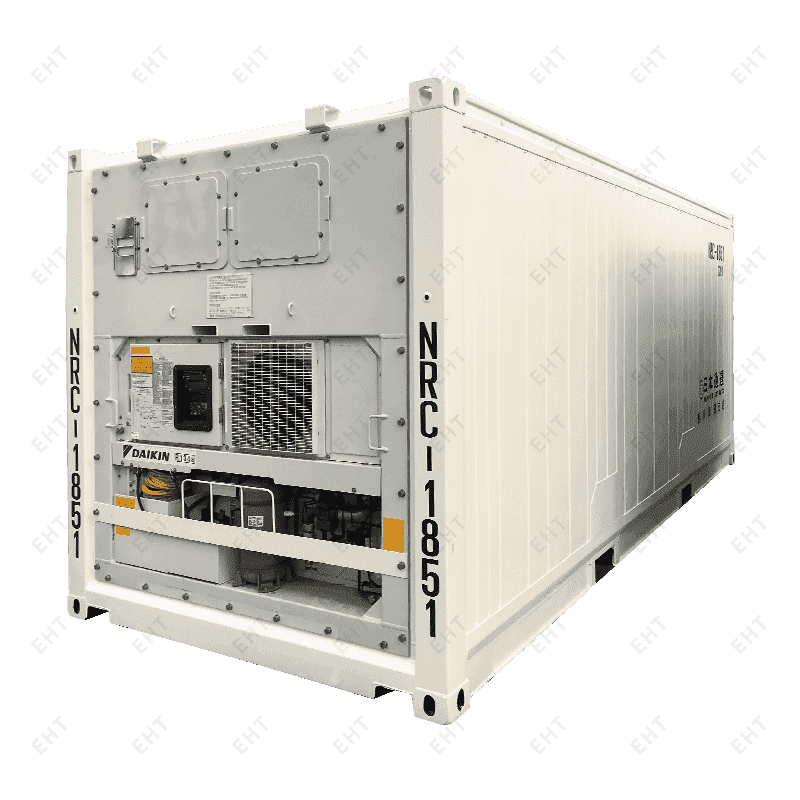 20ft Food Reefer Container for Mixed Food DistributionA compact refrigerated container for food products, offering useful capacity and flexible loading for mixed food distribution where on-site power is limited.View Product →
Pharmaceutical and life-science loads raise the bar. Temperature mapping, alarm history, access control, and backup power may all be part of the specification. Industrial cargo is different again: a temperature controlled container may exist to protect electronics from heat, prevent condensation on precision equipment, or keep a chemical process within a safe band. In those cases, the discussion should include heat gain from the equipment itself, not just the outside weather.
Some cargo needs more than steady chilled air. Quickfreeze reefers are designed for fast pull-down and deep-freeze duty, where the unit must remove heat quickly and then hold a low set point through loading, transport, and storage. This is common with ice cream, frozen meat, seafood, ready meals, and certain biological materials. The container specification should reflect the product's initial temperature, the acceptable pull-down time, and the number of door openings expected during the journey.
Operation matters as much as the equipment. Pre-cool the box before loading, keep door-open time short, leave air gaps around pallets, and do not block the evaporator return. If the cargo is already close to its target temperature, the reefer works less and recovers faster. If warm product is loaded in a hurry, even a capable unit can struggle. A 20ft quickfreeze reefer is a practical choice for smaller frozen consignments and route trade where a larger unit would be underused.
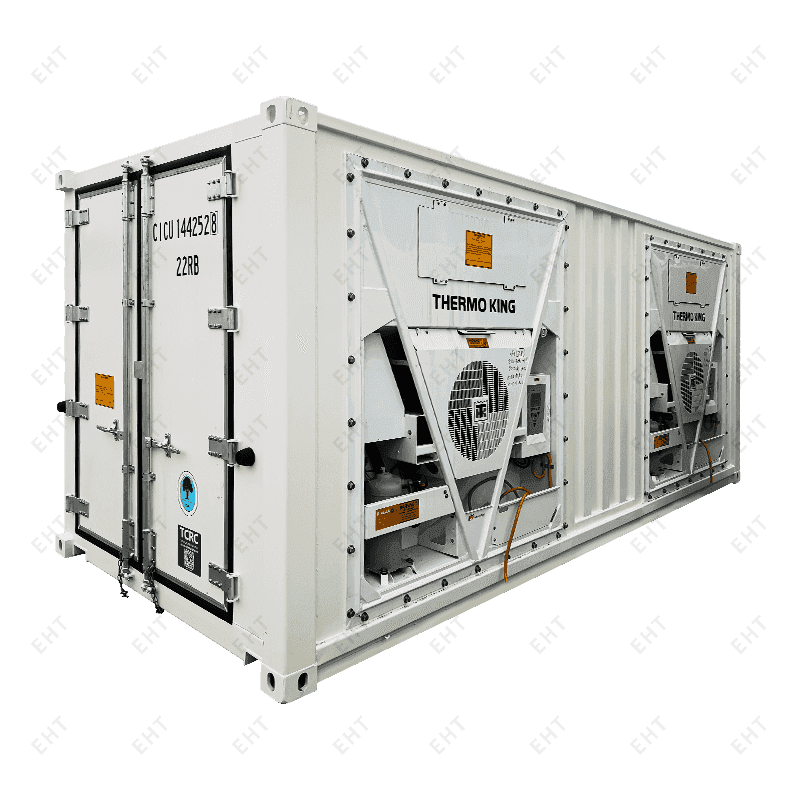 20ft Quick-Freeze Reefer for Smaller Frozen ConsignmentsA specialized cold-chain container with two refrigeration units, suited to smaller frozen consignments and route trade where rapid, consistent cooling is required.View Product →
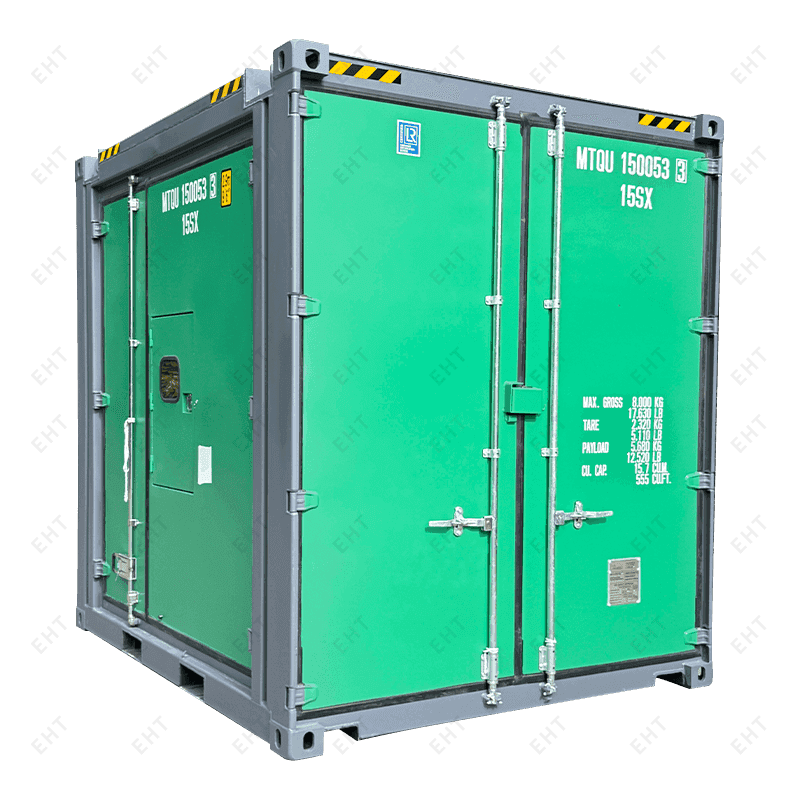
Not every temperature controlled container sits on a clean loading dock. Offshore platforms, remote construction camps, mining sites, and rail terminals bring salt, vibration, dust, and limited maintenance access. An offshore reefer must be built for lifting, sea fastening, corrosion exposure, and service access in confined spaces. The refrigeration unit still has to perform, but the enclosure, hardware, and protection systems deserve equal attention.
Rail and TIR applications add another layer: customs sealing, documentation, and route planning. A reefer that cannot be monitored or serviced at the right point on the route becomes a risk, even if its test sheet looks good. For compact offshore duties, a 10ft offshore reefer can be a useful building block when space and lifting capacity are tight. We usually ask clients for the ambient profile, the power available, the lifting plan, and the maintenance interval before recommending a layout.
 10ft Offshore Reefer Container for Compact Marine LogisticsA modular refrigerated container built for offshore duties, with corrosion-resistant exterior and secure mounting points for temperature-sensitive cargo in tight spaces.View Product →
When you compare temperature controlled containers, look past the cooling capacity headline. The details below tend to decide whether the unit performs reliably over years of use:
A good temperature controlled container is a small engineered system, not just a steel box with a refrigeration unit bolted on. The supplier should be able to discuss insulation, airflow, power, controls, testing, and documentation in plain language. Ask for the temperature profile, the ambient design conditions, the load map, and the maintenance plan. If the cargo is regulated, ask how alarms and data logs will be handled. If the unit will be lifted or shipped, ask how the structure has been checked for those loads.
At EHT, we build reefer and specialized containers around the client's operating reality, from food cold chain units to offshore and custom equipment enclosures. Our production line and quality systems are set up for repeatable steelwork, and our team is used to working from drawings, samples, and site constraints. Certifications such as ISO, CE, CSA, and structural approvals matter, but they are only part of the conversation. The real test is whether the container still holds its duty after the first season of loading, power fluctuations, and weather.
A temperature controlled container works best when it is treated as part of the cold chain, not as a standalone purchase. Match the format to the cargo, respect the airflow, keep the doors closed, and monitor the data. Those simple habits, combined with a container built for the real route, will do more for cargo quality than a long list of features that never get used.

What to stay up to date?
Contact us via the email address below.
No. 178, Wuzhou East Road, Economic Development Zone, Yangzhou, Jiangsu.
Copyright 2024 Yangzhou Yichengke Integrated Technology Co., Ltd. All Rights Reserved.

