

 English
 русский
 Español
 عربى
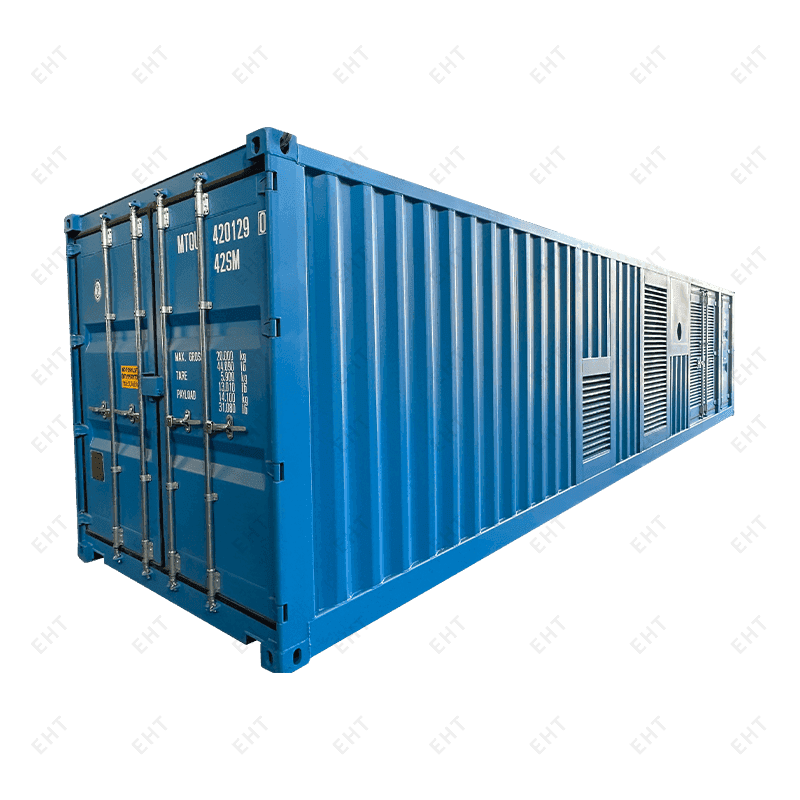
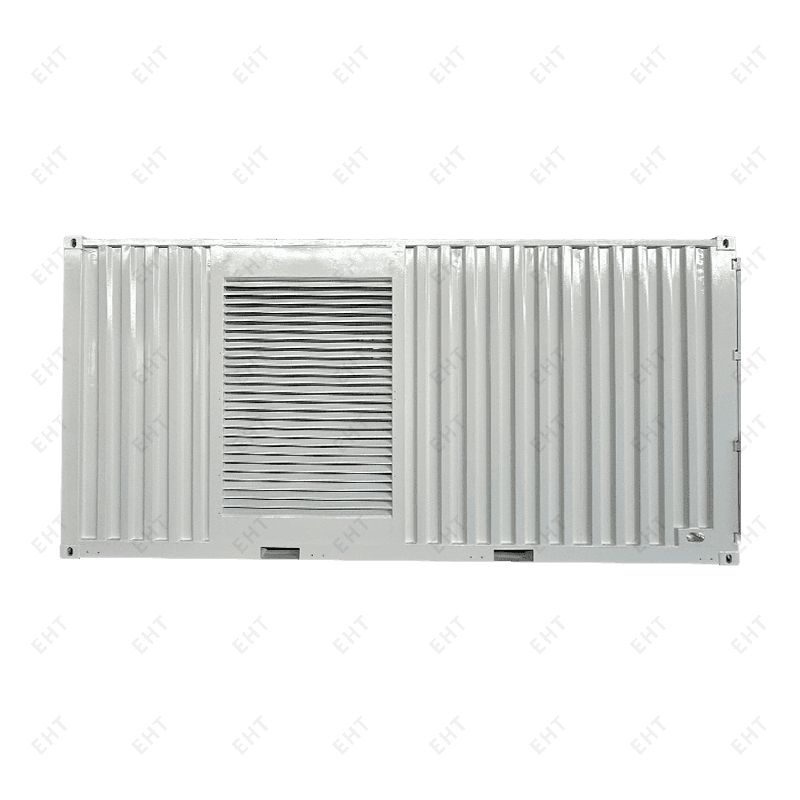
عربى40ft Custom Air Compressor Container
Specialized Shipping Container | 40ft Custom Air Compressor ContainerOverall Dimensions: 12192 × 2438 × 2896mmLarge...
Specialized containerized waste management systems have revolutionized sanitation solutions for remote locations, temporary installations, and maritime applications. Waste sea containers and sewage treatment containers provide self-contained, transportable waste processing capabilities that eliminate dependence on permanent infrastructure. These engineered systems combine advanced treatment technologies with the mobility and standardization of shipping container platforms, enabling rapid deployment of sanitation facilities anywhere in the world.
Content
Waste sea containers are purpose-built units designed to collect, store, and manage various types of waste in marine environments and remote locations where conventional waste disposal infrastructure is unavailable. These containers serve vessels, offshore platforms, island facilities, and coastal installations that generate waste far from municipal waste management systems. The containerized format allows waste to be accumulated safely until transport to proper disposal or recycling facilities becomes feasible.
The construction of waste sea containers incorporates marine-grade materials resistant to corrosion from saltwater exposure and harsh environmental conditions. Interior surfaces receive specialized coatings that prevent contamination absorption and facilitate thorough cleaning between uses. Ventilation systems control odors and prevent hazardous gas accumulation, while liquid containment features ensure no leakage occurs during storage or transport. These containers typically include segregated compartments for different waste categories, enabling proper separation of recyclables, general waste, and hazardous materials.
Standard waste sea containers utilize twenty-foot or forty-foot ISO container dimensions, ensuring compatibility with existing handling equipment aboard vessels and at port facilities. The exterior maintains standard corner castings and structural elements, while the interior configuration is customized for waste management functions. Heavy-duty flooring supports concentrated loads from filled waste receptacles, and reinforced walls withstand the shifting forces experienced during marine transport.
Sewage treatment containers represent sophisticated mobile wastewater processing plants housed within standard shipping container frames. These self-contained units receive raw sewage, process it through multiple treatment stages, and discharge treated effluent meeting regulatory standards. The containerized design enables deployment to construction sites, disaster relief operations, military installations, remote mining camps, and temporary events where permanent sewage infrastructure does not exist or requires supplementation.
Modern sewage treatment containers employ proven wastewater treatment technologies adapted to compact, transportable formats. Treatment processes typically include preliminary screening to remove large solids, biological treatment using activated sludge or membrane bioreactor systems, clarification to separate treated water from biosolids, and disinfection through ultraviolet radiation or chemical treatment. Advanced units incorporate automated control systems that monitor treatment performance, adjust operational parameters, and alert operators to any process deviations requiring attention.
The treatment sequence begins when sewage enters the container through inlet connections compatible with standard sewage piping. Preliminary treatment removes debris, grit, and large particles through screening equipment sized for the container's capacity. The screened wastewater then flows to biological treatment chambers where microorganisms consume organic pollutants. Aeration systems supply oxygen necessary for bacterial metabolism, while mixing equipment maintains optimal conditions throughout the treatment zone.
Following biological treatment, the mixture enters clarification tanks where gravity settling separates treated water from concentrated sludge. The clarified water undergoes final polishing through filtration media or membrane systems that remove remaining suspended particles. Disinfection represents the final treatment stage, destroying pathogenic organisms to ensure the effluent meets health and environmental standards. Treated water can be discharged to surface waters, used for irrigation, or recycled for non-potable applications depending on treatment quality achieved and local regulations.
Sewage treatment containers are manufactured in various sizes to accommodate different population equivalents and flow rates. A standard twenty-foot container unit typically processes wastewater from fifty to one hundred fifty people, handling daily flows between ten to thirty cubic meters. Forty-foot containers increase treatment capacity to serve populations of two hundred to four hundred people with corresponding flow rates of forty to eighty cubic meters per day. Custom configurations can achieve even higher capacities through tandem arrangements or extended container lengths.
| Specification | 20ft Treatment Container | 40ft Treatment Container |
| External Dimensions | 20ft x 8ft x 8.6ft | 40ft x 8ft x 8.6ft |
| Treatment Capacity (People) | 50-150 PE | 200-400 PE |
| Daily Flow Rate | 10-30 m³/day | 40-80 m³/day |
| Power Requirement | 5-15 kW | 15-30 kW |
| Treatment Technology | MBR or Extended Aeration | MBR or Extended Aeration |
| Effluent Quality (BOD) | <10 mg/L | <10 mg/L |
| Effluent Quality (TSS) | <10 mg/L | <10 mg/L |
| Sludge Production | 50-100 L/day | 150-300 L/day |
| Operating Weight (Filled) | 12,000-18,000 kg | 24,000-35,000 kg |
Waste sea containers find primary application aboard commercial vessels, cruise ships, offshore oil platforms, and research vessels operating in international waters. Maritime regulations require vessels to retain waste until reaching ports with appropriate disposal facilities, making secure onboard storage essential. These containers enable ships to segregate waste streams properly, storing recyclables separately from general waste and ensuring hazardous materials receive appropriate containment until proper disposal becomes available.
Island communities and coastal resorts utilize waste sea containers to manage refuse generated by tourism and local populations where limited land area constrains conventional waste management infrastructure. The containers accumulate waste between scheduled transport runs to mainland disposal facilities, maintaining sanitary conditions while minimizing transportation frequency and costs. Offshore renewable energy installations including wind farms and tidal power stations also deploy these containers to manage waste generated during construction and ongoing maintenance operations.
Sewage treatment containers require electrical power to operate pumps, aeration blowers, control systems, and disinfection equipment. Power consumption varies with treatment capacity and technology, typically ranging from five to thirty kilowatts for standard units. Sites with unreliable grid power should incorporate backup generators or battery systems to prevent treatment interruptions that could result in discharge violations or system upsets. Solar panel arrays can supplement power requirements in remote locations with adequate sunlight.
Water connections include inlet piping from sewage sources and outlet piping for treated effluent discharge. Inlet pipes must be sized appropriately for peak flow conditions and installed with sufficient slope to ensure gravity flow when pumping is not employed. Effluent discharge requires appropriate permitting and may need additional piping to reach approved discharge points. Some installations incorporate effluent storage tanks when discharge timing must be controlled or when treated water will be reused for irrigation or industrial processes.
Installation sites must provide level, stable foundations capable of supporting the combined weight of the container and its liquid contents. Concrete pads or compacted gravel bases prevent settling that could damage equipment or create drainage problems. Access roads must accommodate delivery trucks and sludge removal vehicles, with adequate clearance for crane operations during container placement. Perimeter security fencing protects equipment from vandalism and unauthorized access while meeting safety regulations.
Regular maintenance ensures sewage treatment containers operate reliably and consistently meet effluent quality standards. Daily tasks include visual inspection of equipment operation, verification that flow rates remain within design parameters, and confirmation that all monitoring instruments display normal readings. Operators check for unusual odors, sounds, or vibrations that might indicate developing problems requiring immediate attention. Automated monitoring systems log performance data and generate alerts when parameters deviate from acceptable ranges.
Weekly maintenance involves cleaning screens and removing accumulated debris, testing effluent quality through laboratory analysis, and verifying that chemical feed systems maintain proper dosing rates. Monthly tasks include inspecting mechanical equipment for wear, lubricating moving parts, and calibrating sensors and control instruments. Membrane systems require periodic cleaning to maintain permeability and may need replacement every three to seven years depending on operating conditions and maintenance quality. Blowers and pumps typically require rebuild or replacement after twenty thousand to forty thousand operating hours.
Biological treatment processes generate excess sludge that must be periodically removed from the system to maintain treatment efficiency. Sludge accumulation rates depend on influent strength and treatment technology, typically requiring removal every one to three months. Some containers incorporate sludge storage compartments with several weeks' capacity, while others require more frequent extraction. Licensed waste haulers transport sludge to approved disposal or treatment facilities where it undergoes further processing, land application, or incineration according to regulatory requirements.
| Maintenance Activity | Frequency | Estimated Time |
| Visual Inspection | Daily | 15-30 minutes |
| Screen Cleaning | Weekly | 30-60 minutes |
| Effluent Testing | Weekly | 1-2 hours |
| Equipment Lubrication | Monthly | 2-3 hours |
| Sensor Calibration | Monthly | 1-2 hours |
| Sludge Removal | 1-3 months | 2-4 hours |
| Membrane Cleaning | 3-6 months | 4-8 hours |
| Annual Service | Yearly | 1-2 days |
Maritime waste management operates under international conventions including MARPOL, which establishes strict requirements for waste handling aboard vessels. Waste sea containers must comply with these regulations, providing secure storage that prevents ocean discharge of prohibited materials. Ships maintain waste management logs documenting all waste generated, stored, and transferred to shore facilities. Port state inspections verify compliance, with significant penalties for violations including fines and vessel detention.
Sewage treatment container effluent must meet discharge standards established by environmental agencies in the jurisdiction where discharge occurs. In the United States, the Environmental Protection Agency sets national standards while states may impose more stringent requirements. European Union member states follow directives establishing minimum treatment levels and monitoring requirements. Discharge permits specify allowable pollutant concentrations for biochemical oxygen demand, total suspended solids, ammonia, phosphorus, and pathogenic organisms. Operators must conduct regular monitoring and maintain records demonstrating continuous compliance.
Purchasing a sewage treatment container represents significant capital investment, with costs varying based on capacity, treatment technology, and included features. Basic twenty-foot units employing conventional extended aeration technology start around sixty thousand to eighty thousand dollars. Advanced membrane bioreactor systems in the same size range cost between one hundred thousand to one hundred fifty thousand dollars. Forty-foot containers with higher capacities and sophisticated automation can exceed three hundred thousand dollars for turnkey installations.
Rental options provide alternatives to purchase for temporary applications or situations where capital availability is limited. Monthly rental rates for twenty-foot treatment containers typically range from three thousand to six thousand dollars depending on capacity and lease duration. Rental agreements often include delivery, installation, commissioning, and removal services. Longer-term leases extending beyond six months usually secure reduced monthly rates. Some suppliers offer rent-to-own arrangements where rental payments credit toward eventual purchase.
Ongoing operational expenses include electrical power consumption, chemical supplies for disinfection and pH control, sludge disposal fees, maintenance materials, and labor costs for routine operations and monitoring. Power consumption represents the largest variable cost for most installations, with mont

What to stay up to date?
Contact us via the email address below.
No. 178, Wuzhou East Road, Economic Development Zone, Yangzhou, Jiangsu.
Copyright 2024 Yangzhou Yichengke Integrated Technology Co., Ltd. All Rights Reserved.

