

 English
 русский
 Español
 عربى
عربى40ft Custom Air Compressor Container
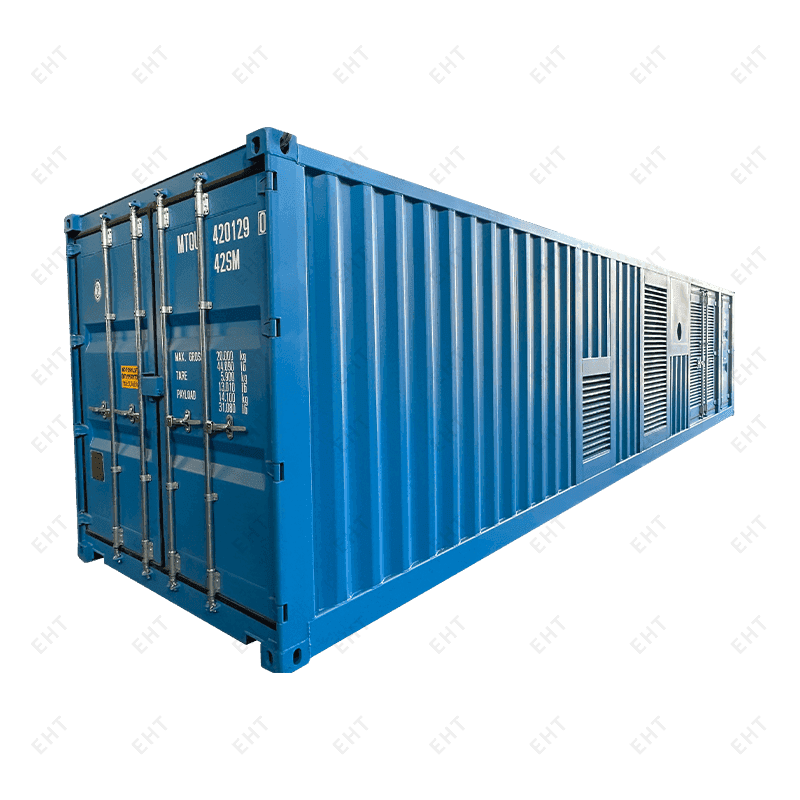
Specialized Shipping Container | 40ft Custom Air Compressor ContainerOverall Dimensions: 12192 × 2438 × 2896mmLarge...
Content
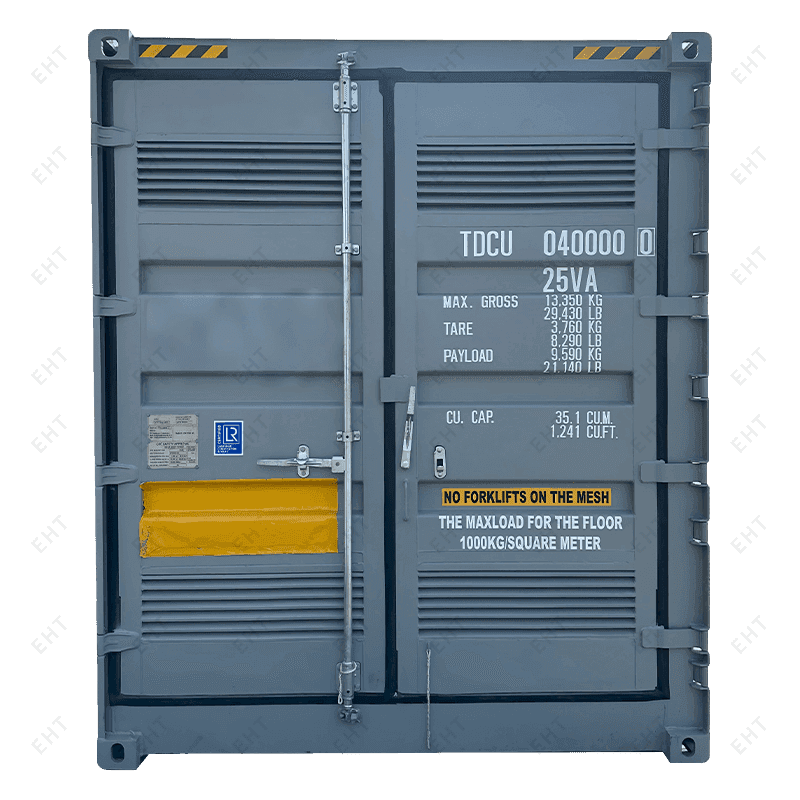
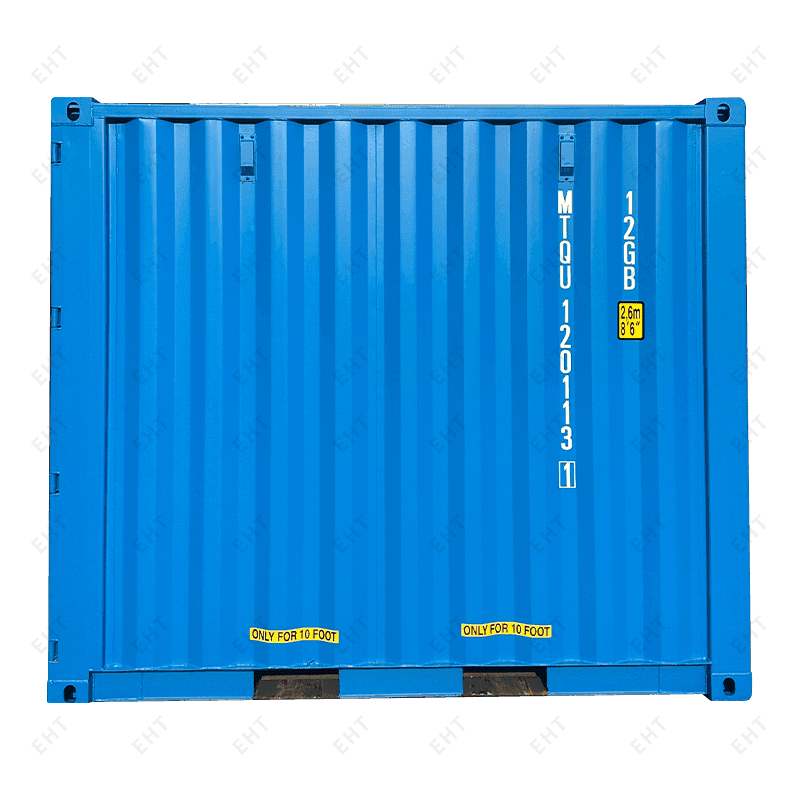
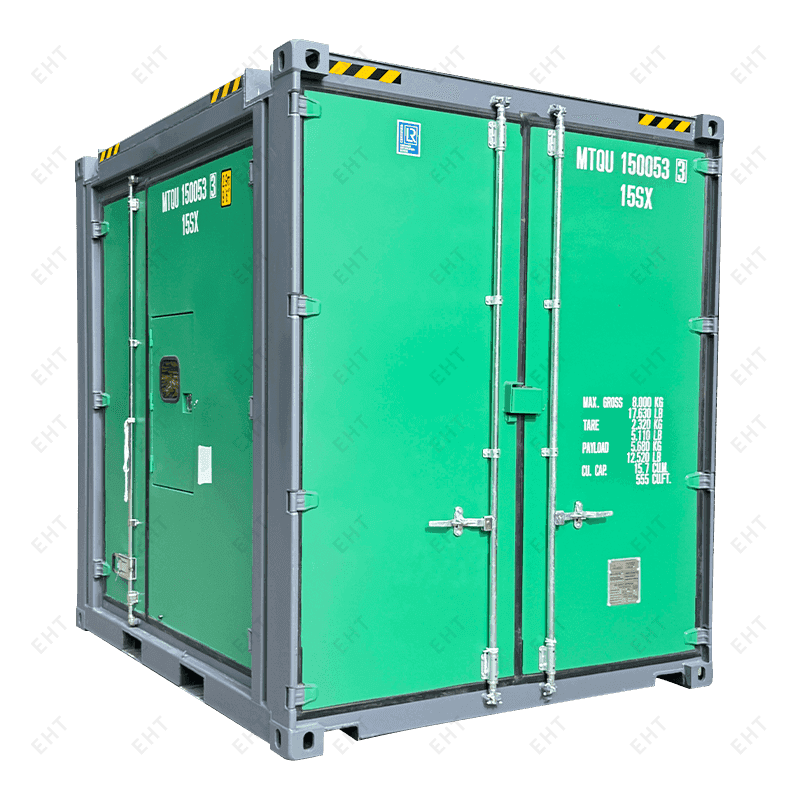
A customized equipment container integrates specialized machinery, control systems, and supporting infrastructure into a standard container shell, transforming it into a fully functional, self-contained operational unit. Rather than shipping equipment separately and assembling it on-site, operators receive a pre-integrated system where the mechanical components, wiring, control panels, and structural housing have already been engineered to work together. This approach dramatically reduces the time and complexity involved in getting specialized equipment operational, particularly in remote locations or overseas projects where local technical resources may be limited.
The container format itself provides inherent advantages beyond housing the equipment. Standard container dimensions allow for straightforward transport via ship, rail, or truck without requiring specialized shipping arrangements, while the enclosed structure protects sensitive equipment from weather, dust, and transit damage throughout the shipping process.
The appeal of customized equipment containers extends across several practical dimensions that directly affect project timelines and operational costs.
Because the equipment arrives pre-installed and pre-tested within the container structure, on-site setup is reduced to positioning the unit, connecting utilities, and performing final commissioning checks. This significantly shortens the timeline compared to constructing a permanent facility and installing equipment from scratch, which can be critical for time-sensitive projects such as emergency medical response or temporary industrial operations.
Standard container dimensions align with existing global shipping and logistics infrastructure, avoiding the premium costs associated with oversized or irregularly shaped equipment shipments. This compatibility also simplifies customs processing and port handling, since container-based cargo follows established logistical procedures familiar to freight forwarders worldwide.
For projects located in regions with limited local manufacturing or technical infrastructure, a customized equipment container allows complex systems to be built, tested, and quality-checked in a controlled factory environment before shipment, reducing the risk of assembly errors or component incompatibility that might otherwise arise from on-site construction in unfamiliar conditions.
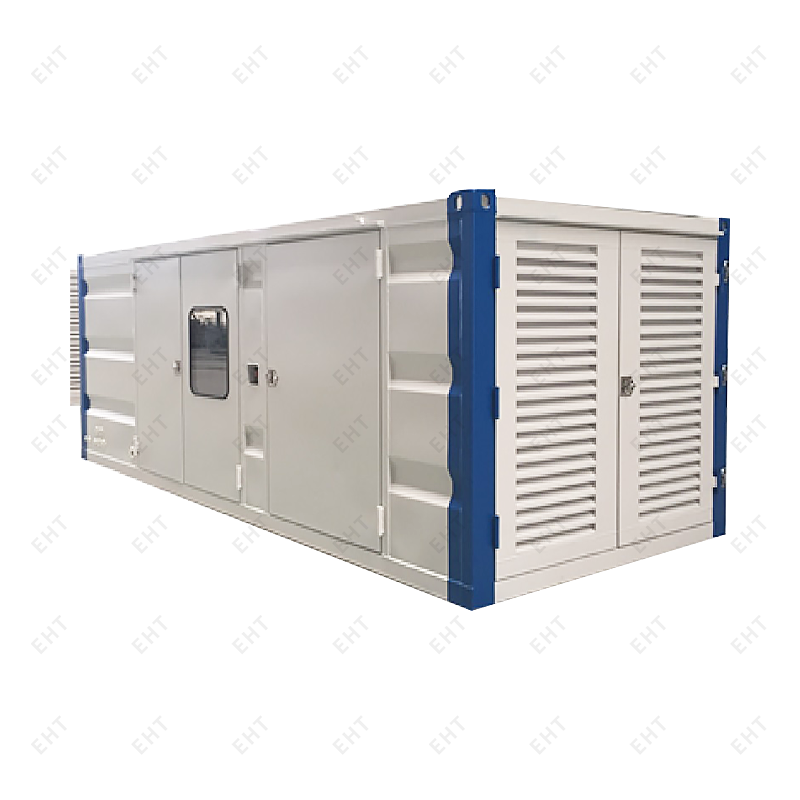
A wide range of specialized equipment can be effectively housed within a container format, each serving distinct operational purposes.
Containerized oxygen generators provide a self-contained medical or industrial gas production solution, particularly valuable for healthcare facilities in remote areas or emergency response situations where a stable oxygen supply chain may not exist locally.
Containerized grain processing units allow agricultural operations to deploy milling, sorting, or storage equipment quickly at harvest sites or distribution points, reducing the need for permanent processing facility construction in areas with seasonal or shifting agricultural demand.
Medical equipment containers can house diagnostic tools, treatment stations, or support systems, offering a rapidly deployable healthcare solution for disaster response, temporary clinics, or facility expansion projects where traditional construction timelines are impractical.
Containerized power distribution rooms integrate switchgear, transformers, and control panels into a protected enclosure, commonly used to support construction sites, industrial facilities, or temporary power infrastructure where a dedicated electrical building would be too costly or slow to construct.
The table below summarizes common customized equipment container types and their primary use cases.
| Equipment Type | Primary Use Case |
| Oxygen generator container | Medical and industrial gas supply |
| Grain processing container | Agricultural processing and storage |
| Medical equipment container | Temporary or emergency healthcare |
| Power distribution container | Electrical infrastructure support |
Successfully integrating specialized equipment into a container requires careful attention to several engineering factors that go beyond simply placing machinery inside a metal box.
Heavy machinery, such as grain processing equipment or power distribution transformers, must be positioned and secured in a way that distributes weight evenly across the container floor structure, preventing structural strain during transport or long-term operation.
Equipment such as medical devices or electronic control systems often require stable internal temperatures and humidity levels. Integrated climate control systems must be sized appropriately for both the equipment's heat output and the external environmental conditions the container will face at its deployment site.
Well-designed customized containers include clearly accessible connection points for power, water, or data lines, allowing on-site teams to bring the unit into operation quickly without needing to access internal wiring or plumbing systems directly.
Selecting a supplier for a customized equipment container involves more than comparing base container prices, since the integrated systems and engineering support behind the build significantly affect long-term reliability.
Beyond initial deployment, operators should plan for ongoing maintenance access, spare parts availability, and technical support arrangements to ensure the containerized equipment continues functioning reliably throughout its service life. Working with a supplier that offers extensive experience in equipment customization provides an added layer of confidence, since a team familiar with the specific challenges of integrating diverse machinery into container formats is better positioned to anticipate potential issues before they affect field performance, ultimately supporting smoother project execution from factory build through years of field operation.

What to stay up to date?
Contact us via the email address below.
No. 178, Wuzhou East Road, Economic Development Zone, Yangzhou, Jiangsu.
Copyright 2024 Yangzhou Yichengke Integrated Technology Co., Ltd. All Rights Reserved.

