

 English
 русский
 Español
 عربى
عربى40ft Custom Air Compressor Container
Specialized Shipping Container | 40ft Custom Air Compressor ContainerOverall Dimensions: 12192 × 2438 × 2896mmLarge...
Content
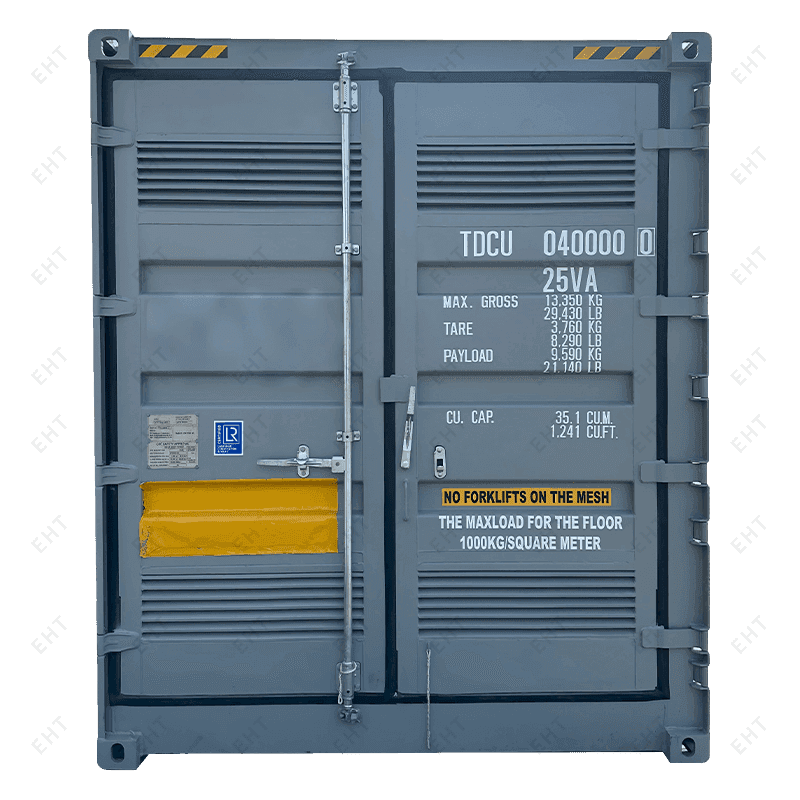
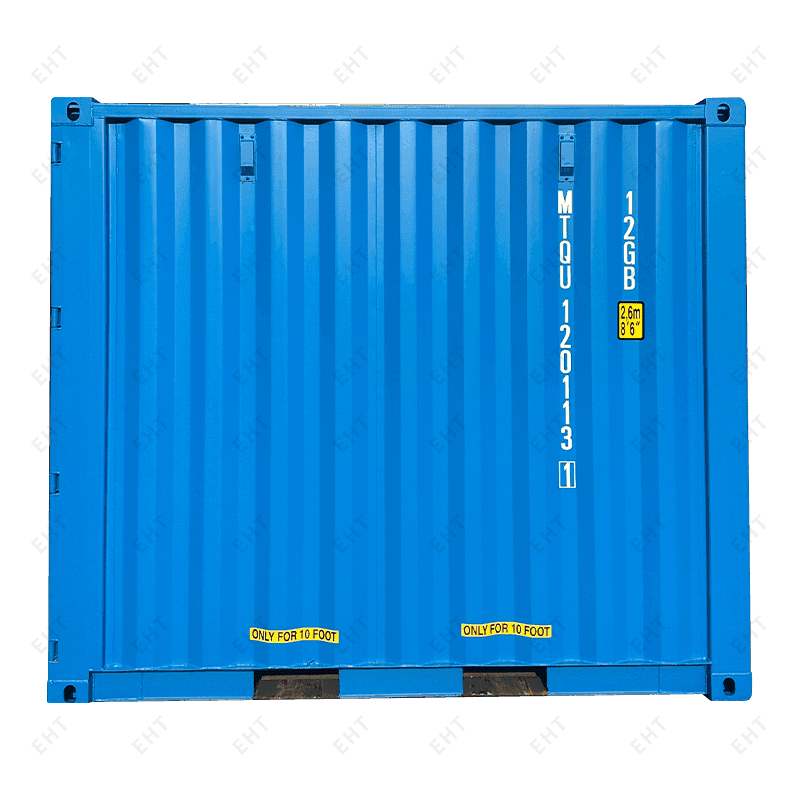
An offshore container is purpose-built to withstand the extreme mechanical stresses, corrosive conditions, and lifting operations unique to offshore environments such as oil and gas platforms, wind farms, and marine support vessels. Unlike standard ISO shipping containers designed primarily for stacked storage and road or rail transport, offshore containers must be engineered to survive repeated crane lifting cycles over open water, exposure to saltwater spray, high winds, and the constant vibration associated with vessel transport.
Compliance with the DNV 2.7-1 standard is what formally distinguishes these units from general-purpose containers. This standard, developed specifically for offshore containers and offshore service equipment, establishes strict requirements for structural design, load testing, and lifting set certification, ensuring that each unit can be safely lifted and transferred between platforms, vessels, and onshore facilities under real offshore operating conditions.
The DNV 2.7-1 standard covers far more than basic structural strength, addressing the full lifecycle of how offshore containers are designed, tested, and maintained.
Containers built to this standard undergo rigorous load testing that simulates the dynamic forces experienced during crane lifts at sea, including sudden shock loads and off-center lifting scenarios. This testing ensures the container frame, corner castings, and lifting points can handle real-world offshore lifting conditions without structural failure.
Every DNV 2.7-1 compliant container is paired with a certified lifting set, including slings and shackles rated for the specific weight and lifting configuration of that unit. This certification must be periodically renewed, and offshore operators typically require documented proof of current certification before allowing a container onto a platform or vessel.
Unlike standard containers that may go years without formal structural inspection, DNV 2.7-1 units are subject to defined periodic inspection schedules to verify continued structural integrity, particularly important given the corrosive marine environment that accelerates wear on lifting points and frame welds.
Offshore containers serve a wide range of functional roles depending on the specific operational needs of a platform, vessel, or offshore installation project.
On oil and gas platforms, offshore containers are used to transport tools, spare parts, chemicals, and general cargo between supply vessels and the platform itself. Their certified lifting capability makes them the standard method for moving equipment safely in an environment where deck space and access are limited.
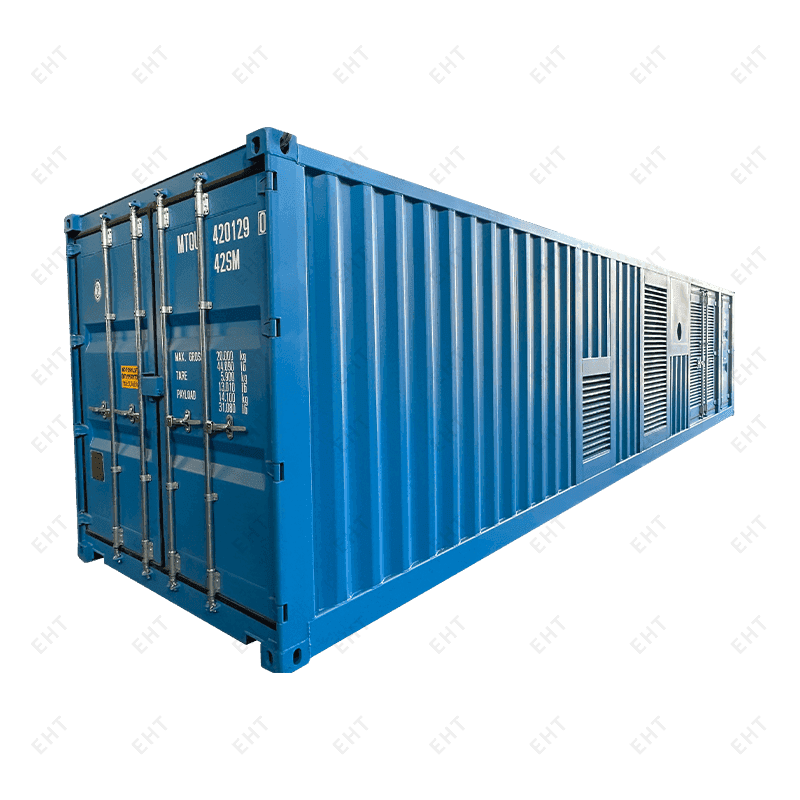
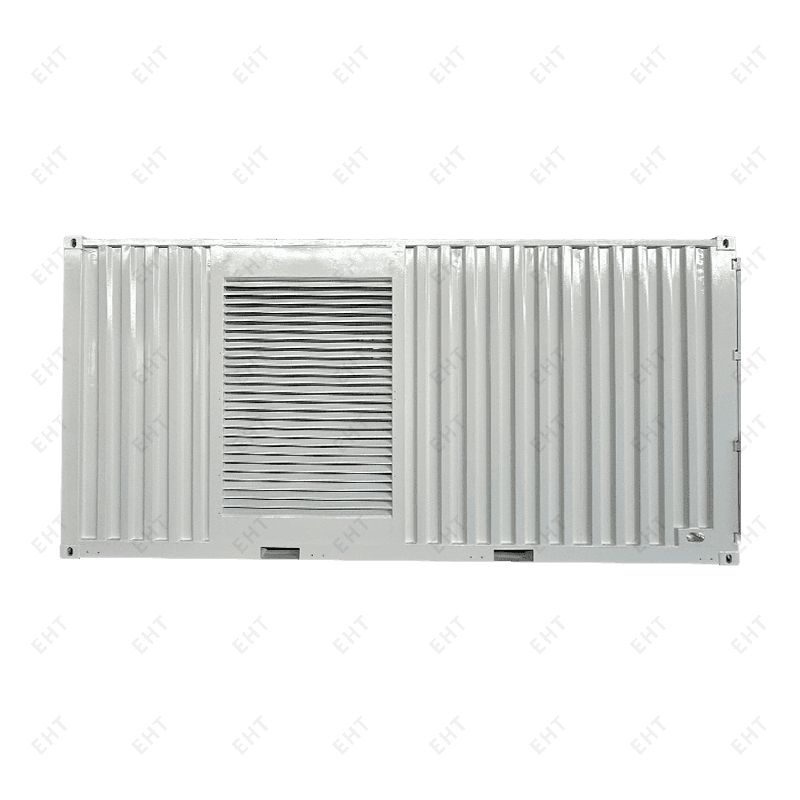
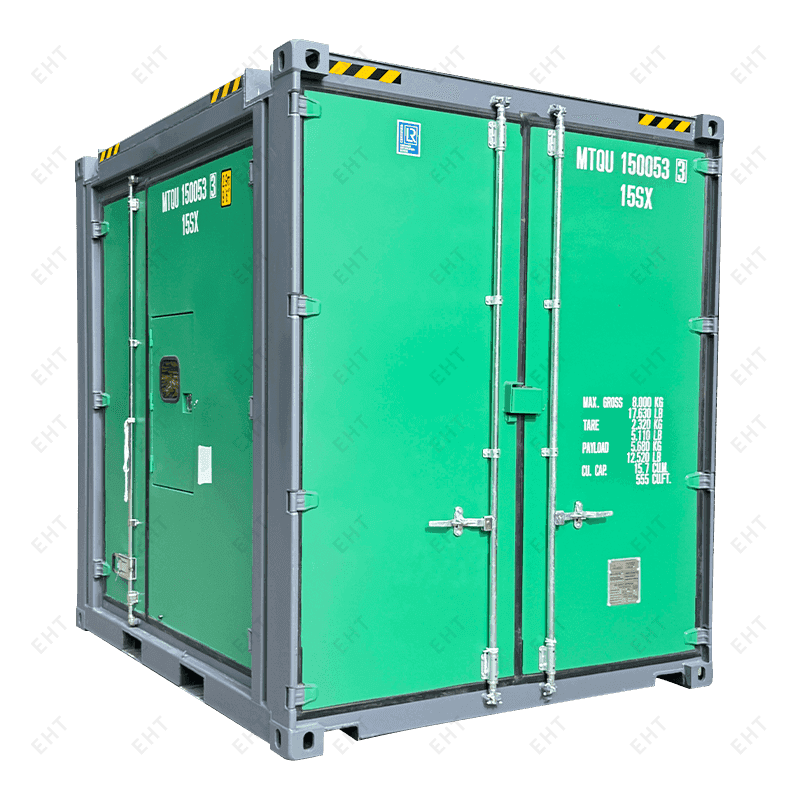
Specialized offshore equipment cabins are frequently used to house HVAC systems, electrical control panels, or other mechanical equipment that requires protection from harsh marine weather while remaining accessible for maintenance. These cabins are built with the same structural rigor as cargo-carrying units but configured internally to support fixed equipment installations.
Offshore waste containers provide a certified means of collecting and transporting waste materials from platforms back to shore for proper disposal, an essential function given the strict environmental regulations governing offshore waste handling.
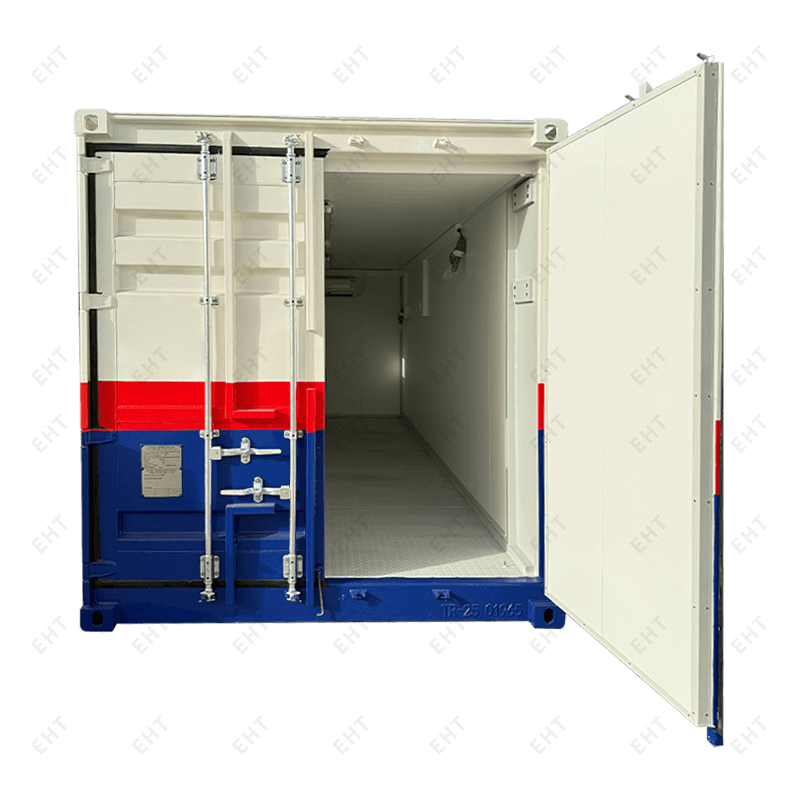
The table below outlines the primary offshore container product categories and their typical functions.
| Product Type | Primary Function |
| Offshore dry container | General cargo and equipment transport |
| Offshore equipment cabin | Housing HVAC or mechanical systems |
| Offshore waste container | Collection and transport of waste materials |
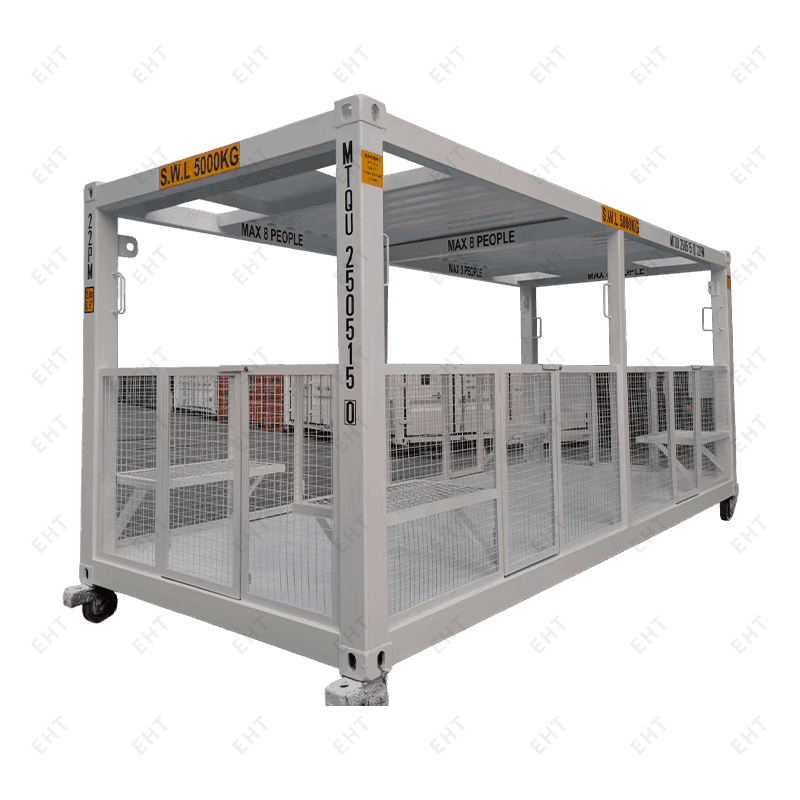
| Offshore basket | Open-frame transport of bulk or irregular cargo |
Offshore containers must resist the accelerated corrosion caused by constant saltwater exposure, which requires careful material selection and protective coating systems beyond what standard containers typically use.
Multi-layer paint systems, often including zinc-rich primers followed by marine-grade topcoats, are applied to offshore container frames to slow corrosion progression. Regular inspection of coating condition is essential, as coating breakdown can quickly lead to structural weakening in a marine environment.
Because offshore containers are lifted far more frequently and under harsher conditions than standard cargo containers, corner castings and lifting points are reinforced to handle repeated dynamic loading without fatigue cracking over time.
Operators sourcing offshore containers should evaluate several factors beyond basic price and availability to ensure long-term operational reliability.
Owning a DNV 2.7-1 compliant offshore container is only the first step; maintaining ongoing compliance requires a structured inspection and recertification program throughout the unit's operational life. Operators should track inspection due dates closely, since an expired certification can result in a container being refused access to a platform or vessel, causing costly project delays. Working with a supplier or service provider capable of supporting periodic inspections, coating touch-ups, and lifting set recertification helps ensure offshore containers remain fully compliant and safe to use across their entire service life in demanding marine environments.

What to stay up to date?
Contact us via the email address below.
No. 178, Wuzhou East Road, Economic Development Zone, Yangzhou, Jiangsu.
Copyright 2024 Yangzhou Yichengke Integrated Technology Co., Ltd. All Rights Reserved.

