

 English
 русский
 Español
 عربى
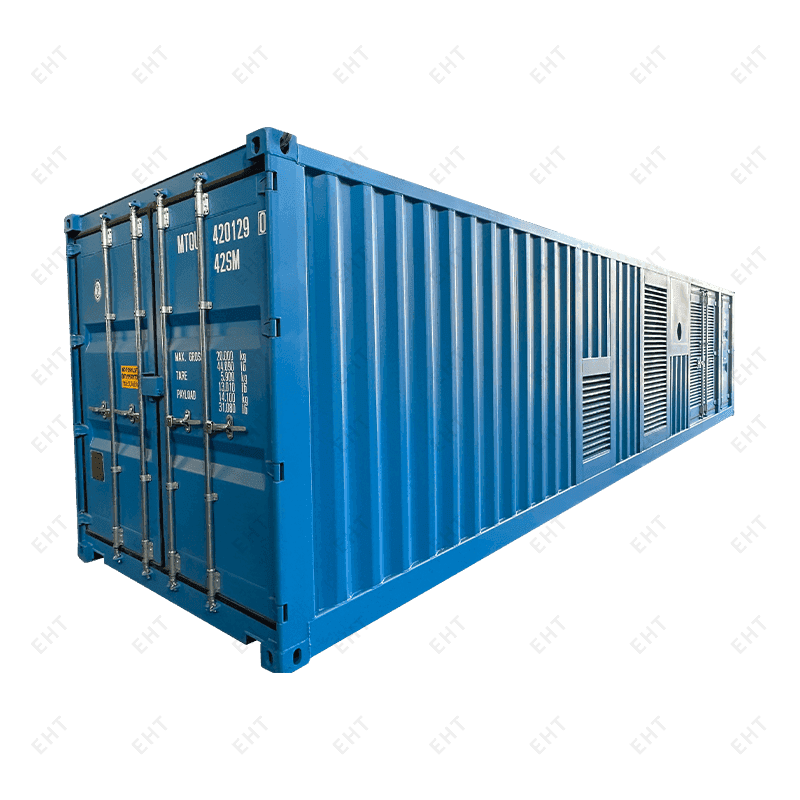
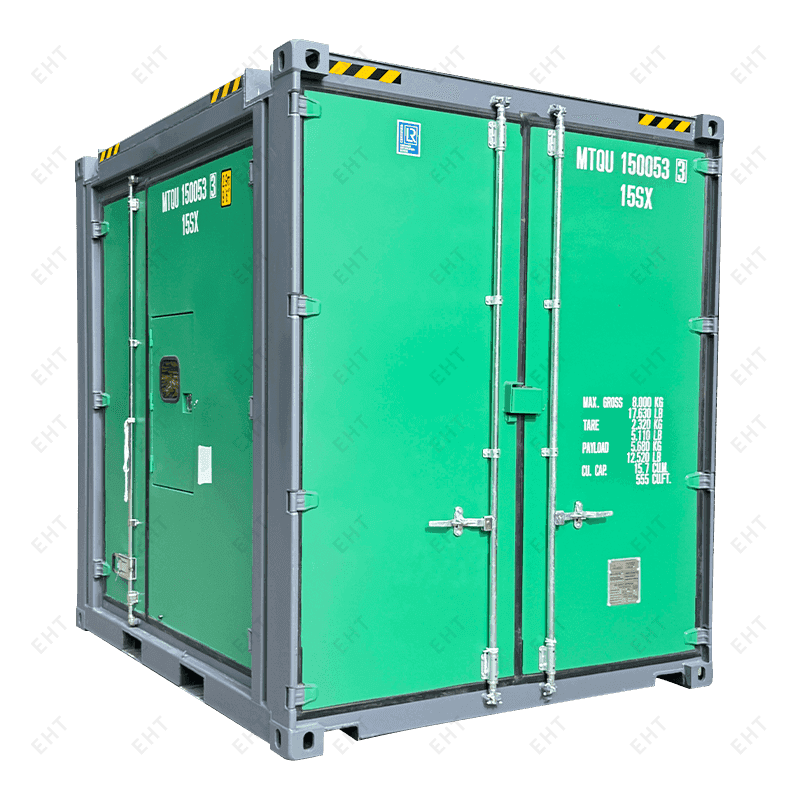
عربى40ft Custom Air Compressor Container
Specialized Shipping Container | 40ft Custom Air Compressor ContainerOverall Dimensions: 12192 × 2438 × 2896mmLarge...
Content
As hydrogen gains momentum as a clean energy carrier, the importance of efficient storage and transportation solutions continues to grow. A hydrogen container is a specially engineered vessel designed to safely store, transport, and distribute hydrogen in gaseous, liquid, or chemically bound forms. Unlike conventional fuels, hydrogen presents unique storage challenges due to its low density, small molecular size, and specific physical properties. As a result, hydrogen containers require advanced materials, precise engineering, and strict safety standards.
Hydrogen containers serve as a critical link between hydrogen production facilities and end-use applications. Whether supplying fuel cell vehicles, industrial operations, renewable energy storage systems, or power generation projects, these containers enable hydrogen to move efficiently through the energy value chain. Their performance directly affects transportation costs, energy efficiency, operational safety, and the overall feasibility of hydrogen infrastructure.
As governments and industries invest heavily in hydrogen economies, innovations in hydrogen container technology are becoming increasingly important. Understanding their design, functionality, and applications provides valuable insight into the future of sustainable energy systems.
Hydrogen differs significantly from conventional fuels such as gasoline, diesel, or natural gas. At standard temperature and pressure, hydrogen is an extremely light gas with very low volumetric energy density. To store useful quantities efficiently, hydrogen must either be compressed, liquefied, or chemically bonded to other materials.
Hydrogen molecules are exceptionally small, allowing them to permeate through certain materials more easily than many other gases. Additionally, prolonged hydrogen exposure can cause hydrogen embrittlement in some metals, potentially weakening structural integrity over time. These characteristics require specialized container designs capable of maintaining strength, minimizing leakage, and ensuring long-term reliability.
Hydrogen containers must also withstand demanding operating conditions, including high internal pressures, extremely low cryogenic temperatures, transportation vibrations, and repeated filling cycles. Consequently, container design involves careful material selection, rigorous testing, and compliance with international safety standards.
Different hydrogen storage applications require different container technologies. The most suitable solution depends on storage capacity, transportation distance, operating environment, and cost considerations.
| Container Type | Storage Method | Typical Applications |
| Compressed Gas Cylinder | High-pressure gas | Industrial and laboratory use |
| Tube Trailer | Compressed gas transport | Hydrogen distribution |
| Cryogenic Tank | Liquid hydrogen | Large-scale storage |
| Composite Pressure Vessel | Ultra-high-pressure gas | Fuel cell vehicles |
| Metal Hydride Container | Solid-state storage | Specialized energy systems |
Compressed hydrogen storage is currently one of the most widely used methods. Hydrogen gas is stored at pressures ranging from 200 to 700 bar depending on the application. High-pressure containers allow substantial quantities of hydrogen to be stored without requiring extremely low temperatures.
Modern compressed hydrogen containers often utilize advanced composite materials. These materials combine lightweight construction with exceptional strength, making them suitable for mobile and transportation applications. Composite pressure vessels significantly reduce weight compared to traditional steel cylinders while maintaining high safety margins.

Liquid hydrogen storage dramatically increases energy density by cooling hydrogen to approximately -253°C. At this cryogenic temperature, hydrogen condenses into liquid form, enabling larger quantities to be stored in smaller volumes compared to compressed gas.
Liquid hydrogen containers use highly insulated double-wall vacuum structures to minimize heat transfer. These sophisticated systems reduce evaporation losses and maintain extremely low temperatures throughout storage and transportation operations.
Cryogenic hydrogen containers are commonly used in aerospace applications, large-scale hydrogen production facilities, and long-distance transportation networks. Their ability to store substantial quantities of hydrogen makes them valuable for future hydrogen supply chains.
Material selection plays a fundamental role in hydrogen container performance and safety. Engineers must balance factors such as strength, weight, corrosion resistance, hydrogen compatibility, manufacturing cost, and service life.
Traditional steel containers remain widely used for industrial applications. However, advanced hydrogen systems increasingly utilize composite materials that provide higher strength-to-weight ratios and improved durability.
Ongoing research focuses on developing stronger, lighter, and more cost-effective materials capable of supporting the rapid expansion of hydrogen infrastructure worldwide.
Safety is the highest priority in hydrogen storage systems. Although hydrogen is non-toxic and produces no harmful emissions during use, it is highly flammable under certain conditions. Therefore, hydrogen containers incorporate multiple protective features to mitigate risks.
Pressure relief devices prevent excessive pressure buildup caused by temperature increases or abnormal operating conditions. Leak detection systems monitor hydrogen concentrations and provide early warning of potential issues. Reinforced structures are designed to withstand impacts, vibrations, and environmental stresses encountered during transportation and operation.
Extensive testing procedures evaluate burst resistance, fire performance, fatigue durability, impact tolerance, and long-term reliability. International standards help ensure consistent safety requirements across hydrogen storage and transportation industries.
Hydrogen containers support a wide range of industrial, commercial, and energy-related applications. Their versatility enables hydrogen deployment across numerous sectors seeking cleaner energy solutions.
Fuel cell vehicles rely on advanced hydrogen containers to store sufficient fuel while maintaining acceptable weight and safety characteristics. Industrial facilities use hydrogen containers for chemical processing, refining operations, metal treatment, and electronics manufacturing. Renewable energy projects increasingly utilize hydrogen storage systems to balance intermittent electricity generation from solar and wind resources.
Hydrogen containers are also becoming important in marine transportation, aviation research, backup power systems, remote energy installations, and grid-scale energy storage projects.
Despite significant technological progress, hydrogen storage remains one of the major challenges in developing a large-scale hydrogen economy. Storage systems must achieve higher efficiency, lower costs, improved durability, and greater energy density to compete effectively with conventional energy carriers.
Manufacturing advanced composite containers can be expensive, particularly for high-pressure automotive applications. Cryogenic systems require substantial energy inputs for liquefaction and insulation management. Infrastructure expansion also depends on standardized container designs and transportation networks.
Researchers continue exploring innovative storage concepts, including advanced solid-state materials, hybrid storage systems, and novel container architectures that may further improve hydrogen handling capabilities.
The future of hydrogen containers is closely linked to global decarbonization efforts and the growth of renewable energy. Advances in composite manufacturing, nanomaterials, smart monitoring technologies, and automated inspection systems are expected to improve both performance and affordability.
Digital sensors integrated into hydrogen containers may enable real-time monitoring of pressure, temperature, structural health, and leak detection. Such capabilities can enhance operational safety while reducing maintenance requirements.
As hydrogen production scales up and transportation networks expand, container technologies will continue evolving to support greater storage capacities, longer service life, and lower lifecycle costs. These improvements will play a crucial role in making hydrogen a practical and widely adopted clean energy solution.
Hydrogen containers are fundamental components of the emerging hydrogen economy. Their ability to safely store and transport hydrogen directly influences the viability of fuel cell transportation, renewable energy integration, industrial decarbonization, and future clean energy systems. Through advanced materials, innovative engineering, and rigorous safety standards, modern hydrogen containers address the unique challenges associated with hydrogen storage. As technology continues to advance, these specialized storage solutions will become increasingly efficient, reliable, and essential to the global transition toward sustainable energy.


What to stay up to date?
Contact us via the email address below.
No. 178, Wuzhou East Road, Economic Development Zone, Yangzhou, Jiangsu.
Copyright 2024 Yangzhou Yichengke Integrated Technology Co., Ltd. All Rights Reserved.

