

 English
 русский
 Español
 عربى
عربى40ft Custom Air Compressor Container
Specialized Shipping Container | 40ft Custom Air Compressor ContainerOverall Dimensions: 12192 × 2438 × 2896mmLarge...
Content
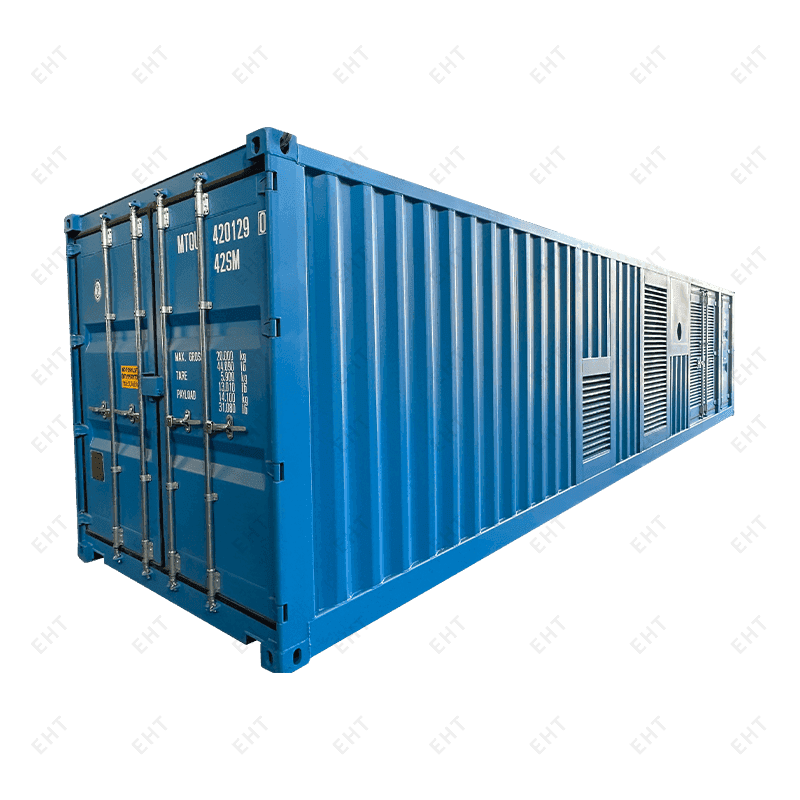
A diesel generator container is a self-contained power generation system housed within a standard or customized shipping container. It integrates a diesel generator set, fuel storage system, control panels, ventilation equipment, exhaust systems, and safety components into a single transportable enclosure. Designed for temporary, emergency, or permanent power applications, containerized diesel generators provide reliable electricity in locations where grid access is unavailable, unstable, or insufficient.
The increasing demand for flexible and dependable power solutions has driven the widespread adoption of diesel generator containers across construction sites, mining operations, manufacturing facilities, telecommunications infrastructure, hospitals, data centers, and remote industrial projects. By combining mobility, protection, and operational efficiency, these systems offer significant advantages compared to conventional open-frame generator installations.
Containerized solutions also simplify deployment and maintenance by packaging all essential power generation components into a standardized structure. This approach reduces installation time, minimizes site preparation requirements, and improves equipment protection in harsh environmental conditions.
A diesel generator container functions by converting the chemical energy stored in diesel fuel into electrical energy. The diesel engine drives an alternator that produces electricity, while integrated control systems regulate voltage, frequency, and load management. The container serves as a protective enclosure that houses all supporting systems necessary for safe and efficient operation.
Within the container, fuel is supplied from dedicated storage tanks to the engine through filtration systems. Cooling equipment manages engine temperatures, while exhaust systems safely discharge combustion gases. Ventilation systems ensure adequate airflow for combustion and heat dissipation. Modern units also include monitoring technologies that provide real-time operational data, fault detection, and remote management capabilities.
Because all components are integrated into a single structure, the system can be transported and commissioned quickly, making it particularly valuable for projects with tight schedules or changing operational requirements.
A containerized diesel generator consists of multiple subsystems working together to deliver reliable power. Each component contributes to performance, safety, and operational longevity.
| Component | Function |
| Diesel Engine | Provides mechanical power for electricity generation |
| Alternator | Converts mechanical energy into electrical energy |
| Fuel Tank | Stores diesel fuel for continuous operation |
| Control Panel | Monitors and manages generator performance |
| Cooling System | Maintains safe operating temperatures |
| Ventilation System | Supplies airflow and removes heat |
| Exhaust System | Directs emissions safely outside the container |
The growing popularity of diesel generator containers is largely due to their practical benefits. These systems offer a combination of durability, convenience, and performance that makes them suitable for a wide range of industries.
Containerized generators can be transported using standard trucks, rail systems, or shipping vessels. Their compatibility with global container handling infrastructure simplifies logistics and reduces transportation costs. This mobility is especially valuable for temporary projects and remote locations.
The container enclosure protects critical equipment from harsh weather conditions, dust, moisture, corrosion, and physical damage. This protection helps extend equipment lifespan and reduce maintenance requirements.
Because most systems are pre-engineered and factory-tested, installation can be completed quickly. Site preparation is often limited to a suitable foundation and electrical connections, significantly reducing project timelines.
Many diesel generator containers incorporate acoustic insulation and sound-attenuation technologies. These features reduce operational noise levels, making the systems suitable for urban environments, hospitals, commercial facilities, and residential-adjacent projects.
Containerized diesel generators are utilized across numerous sectors where reliable power is essential. Their flexibility enables deployment in both temporary and permanent installations.
In many cases, diesel generator containers serve as both primary and backup power sources, depending on the reliability of local utility infrastructure and operational requirements.
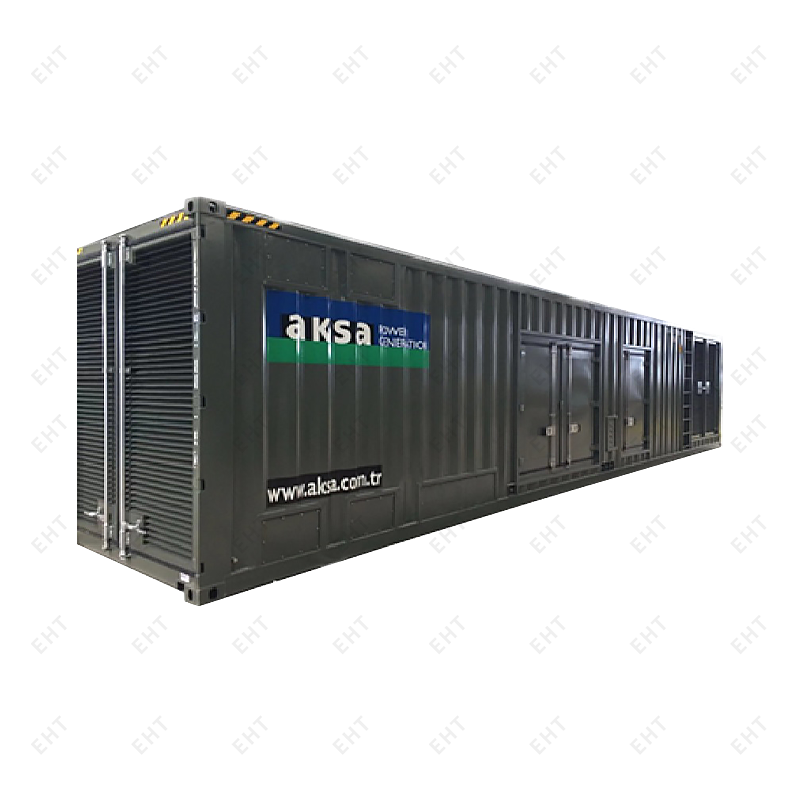
Successful implementation requires careful attention to container design. Engineers must optimize multiple factors to ensure performance, safety, and regulatory compliance.
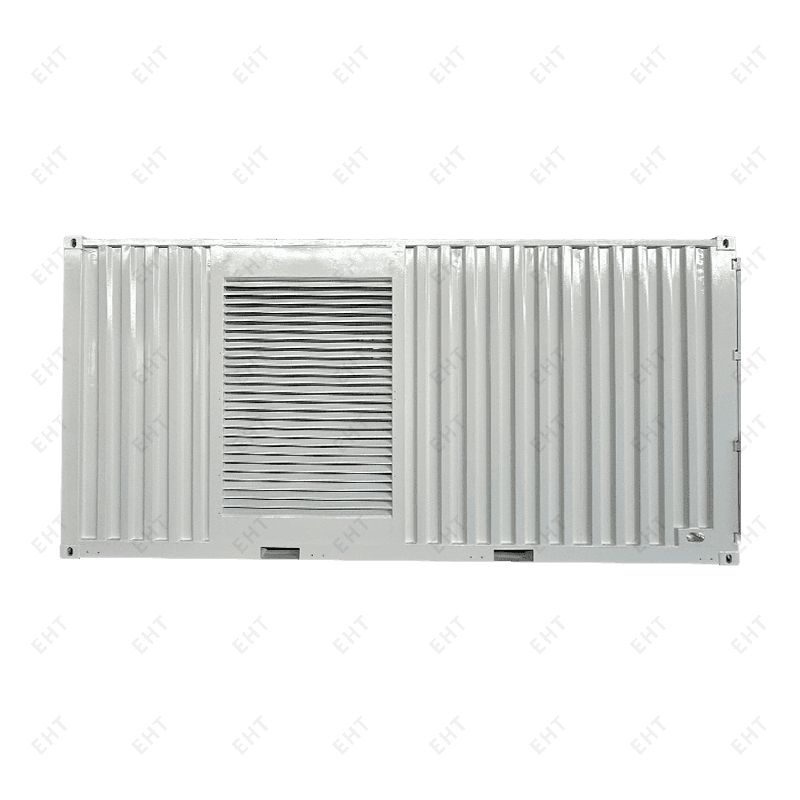
Diesel engines generate substantial heat during operation. Proper airflow management is critical to prevent overheating and maintain efficient performance. Container designs typically include intake louvers, exhaust fans, and engineered airflow pathways to support cooling requirements.
Fuel tank sizing directly affects runtime and operational autonomy. Larger tanks enable extended operation without refueling, which is especially important in remote areas where fuel deliveries may be infrequent.
The container layout should allow technicians easy access to key components, including filters, control panels, fuel systems, and cooling equipment. Efficient maintenance access helps reduce downtime and service costs.
Safety is a critical aspect of containerized power generation systems. Modern diesel generator containers incorporate multiple protective features to minimize operational risks and comply with industry regulations.
These safety systems help protect personnel, equipment, and surrounding infrastructure while ensuring reliable operation under challenging conditions.
Fuel efficiency remains a major consideration for organizations operating diesel generator containers. Modern generator systems utilize advanced engine controls, electronic fuel injection, and load management technologies to optimize fuel consumption.
Remote monitoring platforms provide real-time information on fuel levels, engine performance, maintenance schedules, and operating conditions. These technologies allow operators to identify inefficiencies, schedule preventive maintenance, and improve overall asset utilization.
Efficient fuel management not only reduces operating expenses but also minimizes environmental impact by lowering fuel consumption and associated emissions.
Although diesel generators remain essential for many applications, environmental performance is becoming increasingly important. Manufacturers are continuously improving engine technologies to meet stricter emissions standards and enhance sustainability.
Many modern containerized systems incorporate emission-control technologies such as diesel particulate filters, selective catalytic reduction systems, and advanced combustion management. These solutions help reduce pollutants while maintaining reliable power output.
Some organizations are also integrating diesel generator containers into hybrid power systems that combine renewable energy sources, battery storage, and intelligent energy management platforms. This approach improves efficiency while reducing overall fuel consumption.
The future of diesel generator containers is being shaped by digitalization, automation, and evolving energy requirements. Smart monitoring systems, predictive maintenance technologies, and remote diagnostics are becoming standard features in advanced generator installations.
Manufacturers are also developing more compact and efficient designs that maximize power output while minimizing fuel consumption and operational costs. Hybrid configurations that integrate renewable energy and energy storage systems are expected to become increasingly common.
As industries continue to prioritize reliability, flexibility, and operational efficiency, containerized diesel generators will remain a critical component of global power infrastructure.
Diesel generator containers provide a practical and reliable solution for power generation across a wide range of industries and environments. By integrating power equipment within a secure, transportable enclosure, these systems offer significant advantages in mobility, protection, deployment speed, and operational efficiency. Their versatility makes them suitable for construction projects, industrial facilities, emergency response operations, telecommunications infrastructure, and critical backup power applications. As technology advances and energy demands evolve, diesel generator containers will continue to play an essential role in ensuring dependable power supply wherever it is needed.

What to stay up to date?
Contact us via the email address below.
No. 178, Wuzhou East Road, Economic Development Zone, Yangzhou, Jiangsu.
Copyright 2024 Yangzhou Yichengke Integrated Technology Co., Ltd. All Rights Reserved.

