

 English
 русский
 Español
 عربى
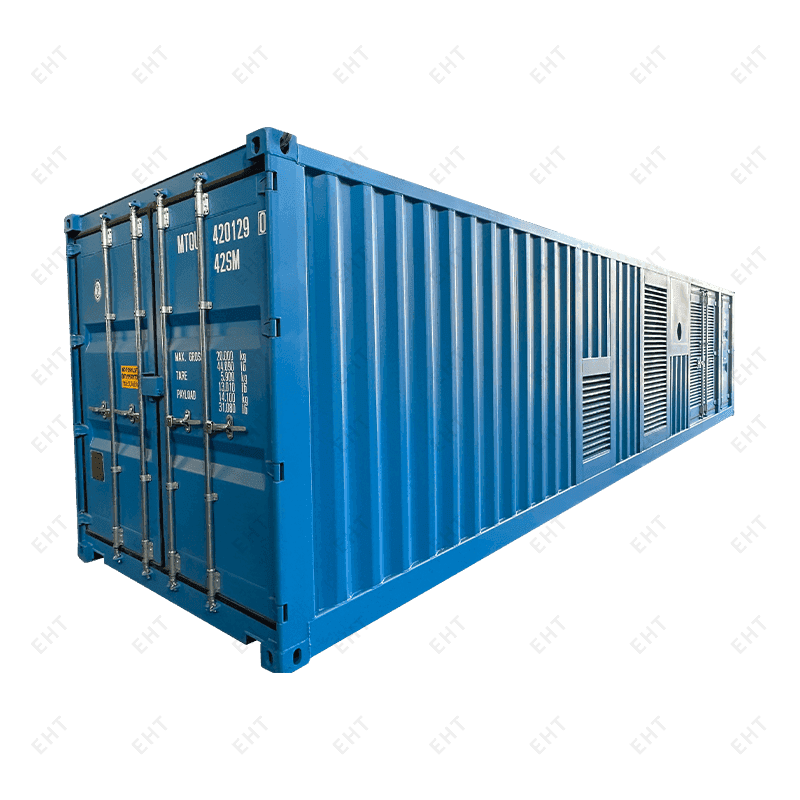
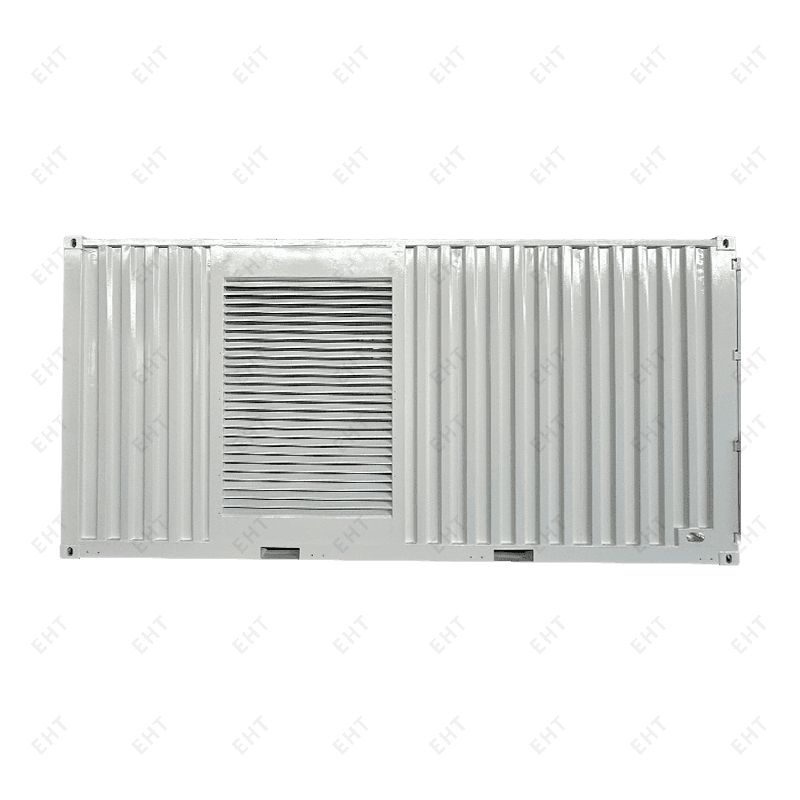
عربى40ft Custom Air Compressor Container
Specialized Shipping Container | 40ft Custom Air Compressor ContainerOverall Dimensions: 12192 × 2438 × 2896mmLarge...
Content
Construction site offices need to be functional, durable, quick to set up, and easy to relocate when the project moves on. Traditional brick-and-mortar site offices are rarely practical—they take too long to build, cost too much for a temporary structure, and cannot be moved. Prefabricated modular cabins offer some flexibility but often lack the robustness required for demanding construction environments. Shipping containers, by contrast, are built to withstand the mechanical stresses of ocean freight and stacking in port yards, which makes them inherently well-suited to the rough conditions of an active construction site.
The appeal goes beyond durability. Containers are available in standardized sizes that simplify planning and logistics, they can be purchased or rented depending on project duration, they can be stacked or joined to create larger office complexes, and they are delivered ready to be fitted out with electrical, plumbing, and HVAC services. As the construction industry has become more familiar with container conversions, the quality and sophistication of container site offices has increased significantly—today's converted containers can provide working environments that are comfortable, professional, and fully compliant with occupational health and safety requirements. The key to achieving this outcome is selecting the right container from the outset.
The global shipping industry has standardized container dimensions around two primary lengths: 20 feet and 40 feet. Both types share a standard width of approximately 2.44 meters (8 feet) and a standard height of 2.59 meters (8 feet 6 inches), with high-cube variants available at 2.90 meters (9 feet 6 inches) tall. Choosing between these options is the first and most fundamental decision when selecting a container for a site office, and it should be driven by the number of occupants the office needs to accommodate, the functions it needs to support, and the physical space available on the construction site.
| Container Type | External Length | Internal Floor Area | Typical Occupancy |
| 20ft Standard | 6.06 m | ~14.8 m² | 2–4 people |
| 40ft Standard | 12.19 m | ~28.3 m² | 4–8 people |
| 40ft High Cube | 12.19 m | ~28.3 m² | 4–8 people (more headroom) |
| 2 × 20ft Combined | ~12 m (side by side) | ~29.6 m² | 6–10 people |
For small sites with a site manager and one or two administrative staff, a single 20-foot container is typically sufficient. Medium-sized projects with a project manager, engineers, and a site administrator will generally require a 40-foot unit or two connected 20-foot containers. Large infrastructure or civil engineering projects may need multiple containers configured into a proper site compound with separate meeting rooms, toilet facilities, and storage areas. Planning occupancy realistically—including provision for meetings, document storage, and welfare facilities—before making a size decision prevents the common mistake of selecting a unit that quickly feels overcrowded.
Containers are available in new (one-trip) condition or as used units with varying degrees of wear. For site office use, condition matters considerably more than it does for storage applications, because the container will house people for extended periods and its structural and aesthetic state will affect both occupant comfort and the professional image projected to clients, inspectors, and subcontractors who visit the site.
One-trip containers have been used only once, typically to ship goods from the manufacturer's country to the point of sale, and are essentially new. They are free from significant dents, rust, or floor damage, and their structural integrity is uncompromised. Used containers are graded by cargo-worthiness: Grade A (wind and watertight, minor cosmetic damage), Grade B (more significant cosmetic damage but structurally sound), and Grade C (for storage or scrap use only). For a site office, Grade A used containers are the minimum acceptable standard—Grade B units may require remediation work before they can be safely and comfortably occupied, and the cost of that remediation can erode the price advantage of buying used.
A bare steel shipping container is thermally one of the worst environments imaginable for office work. Steel is an excellent conductor of heat, meaning the interior temperature of an uninsulated container will track the exterior temperature closely—freezing in winter and dangerously hot in summer. The large surface area of the steel walls and roof amplifies solar heat gain in warm weather, with internal temperatures in an uninsulated container capable of exceeding 50°C in direct sunlight. Insulation is therefore not an optional upgrade for a site office container—it is a fundamental requirement for habitability and legal compliance with workplace health and safety regulations.
The three principal insulation approaches for container offices are spray foam (polyurethane foam applied directly to the interior steel surface), rigid foam board panels (PIR or EPS boards fixed to a timber or steel frame), and mineral wool batts within a stud frame. Spray foam provides excellent coverage with no thermal bridges and does not require a separate frame, but it is permanent and cannot be removed if the interior needs to be reconfigured. Rigid board and stud-framed mineral wool systems are more flexible and easier to repair but require more careful installation to avoid gaps at junctions. In all cases, insulation should be paired with a vapor barrier to prevent condensation within the wall buildup, which can lead to mold growth and structural corrosion over time.
Even with good insulation, active heating and cooling will be required in most climates. A split-system air conditioner provides both heating and cooling in a single unit and is the most practical solution for most container office applications. Units should be sized to the volume of the insulated interior rather than the exterior container dimensions, as the insulation layer reduces the effective internal volume. Mechanical ventilation is also important to ensure adequate fresh air supply and to prevent the buildup of carbon dioxide from occupants, which causes fatigue and reduced cognitive performance—a particular concern in airtight, well-insulated containers with limited natural ventilation.
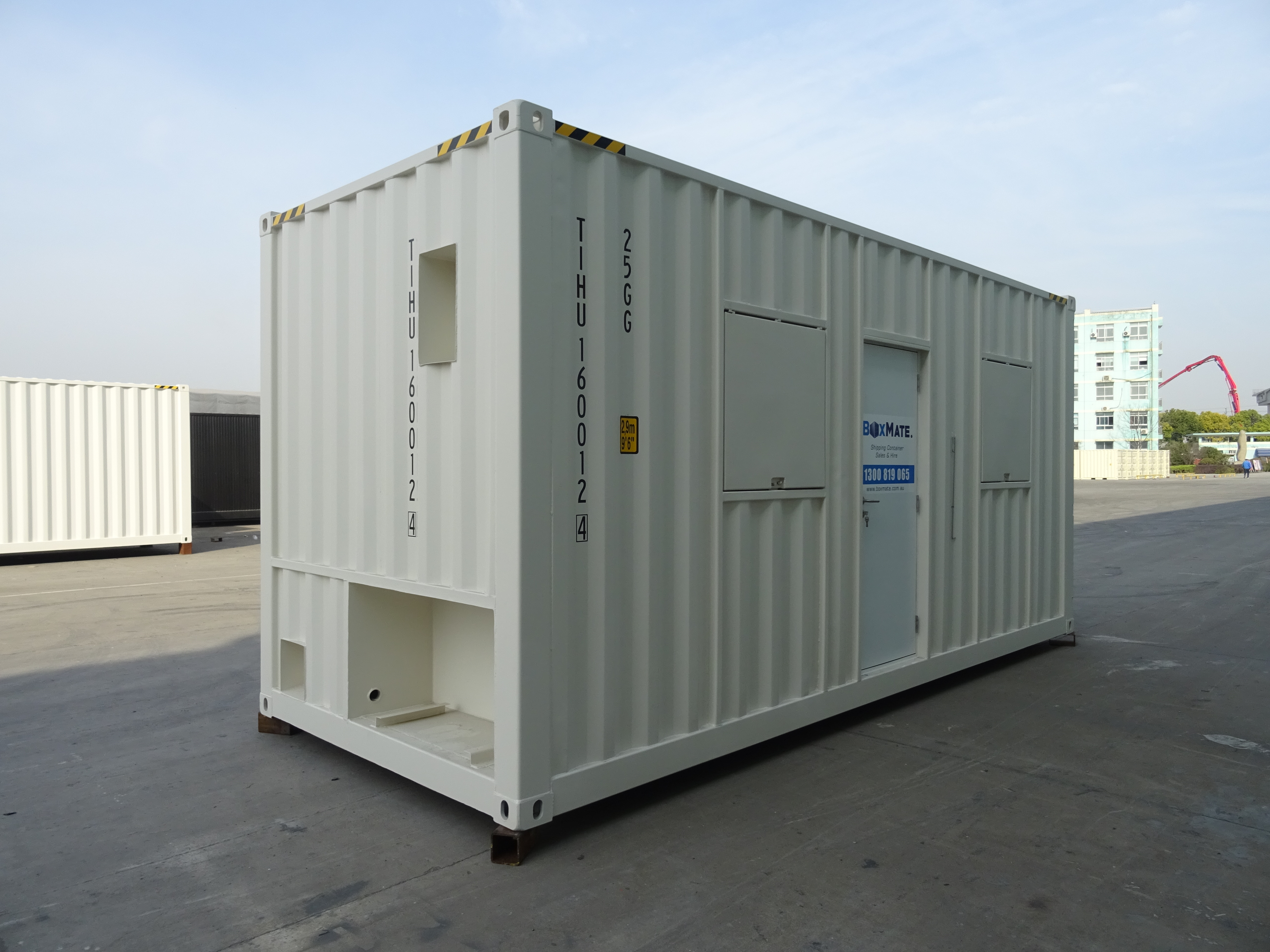
The internal layout of a container site office should be planned around the specific functions that will be performed inside it. A site manager's office is not the same as a project engineer's workspace, a combined office and meeting room, or a welfare facility—and the position of windows, doors, electrical outlets, data points, and furniture will differ accordingly. Planning the layout before any conversion work begins saves significant time and cost compared to making changes after fitout is complete.
A functional site office requires reliable electrical supply, data connectivity, and in many cases basic plumbing for welfare facilities. The electrical installation in a container office must comply with the relevant national wiring regulations—in the UK, BS 7671; in the US, the NEC; in Australia, AS/NZS 3000—and should be designed and installed by a qualified electrician. The distribution board, circuit protection, and earthing arrangements must be appropriate for a temporary installation supplied either from a generator or a temporary mains connection, and all circuits should be protected by residual current devices (RCDs) to protect against electric shock.
Data connectivity is increasingly critical for site offices, which rely on cloud-based project management platforms, BIM software, video conferencing, and real-time communication tools. Where fixed broadband is not available, 4G or 5G mobile routers provide an effective alternative, and many container office suppliers now offer pre-installed network infrastructure as part of their fitout packages. If welfare facilities including a toilet and washbasin are to be incorporated—which is required by occupational health regulations in many jurisdictions for offices with permanent daytime occupation—a mains water connection or a water storage tank and pump system will be needed, along with appropriate drainage or a holding tank arrangement.
Where the container office is positioned on the site has a significant impact on its practicality, safety, and security. The ideal location balances accessibility for staff, visitors, and deliveries with adequate separation from the most hazardous working areas. Site offices should not be positioned beneath crane working areas, adjacent to excavations, or in the path of heavy plant movements. They should be accessible from the site entrance without requiring visitors to cross active working areas, as this creates both safety risks and liability concerns.
The container should be placed on a level, stable base—typically a concrete pad, compacted hardcore, or adjustable steel legs—to prevent settlement and ensure that doors and windows operate correctly. Security is a critical consideration on any construction site, where theft of equipment and materials is common. Container offices benefit from their inherent security: the steel structure is resistant to forced entry, and heavy-duty locking bars, security padlocks, and alarm systems can be added to further reduce the risk of unauthorized access after hours.
The decision to purchase or rent a container office should be based on the duration of the project, the likelihood of the container being reused on future projects, and the capital available for site setup costs. For short projects of six months or less, rental is almost always more cost-effective: the rental cost over that period is typically a fraction of the purchase price, and the rental company handles delivery, collection, and maintenance. For longer projects of 12 months or more, particularly where the contractor operates multiple sites simultaneously and can transfer the container between projects, purchase becomes increasingly attractive as the amortized cost per project falls below the equivalent rental expenditure.
Purchasing a container also gives the owner full control over the fitout specification, with no restrictions on modifications imposed by a rental agreement. This allows investment in higher-quality insulation, more sophisticated electrical installations, and bespoke interior fitouts that would not be permitted on a rented unit. Over a 5- to 10-year ownership period, a well-specified container office purchased for a medium-sized project can deliver very strong value relative to the cumulative rental cost of equivalent temporary accommodation over the same period—making the upfront investment well worthwhile for contractors who plan their site infrastructure carefully.

What to stay up to date?
Contact us via the email address below.
No. 178, Wuzhou East Road, Economic Development Zone, Yangzhou, Jiangsu.
Copyright 2024 Yangzhou Yichengke Integrated Technology Co., Ltd. All Rights Reserved.

