

 English
 русский
 Español
 عربى
عربى40ft Custom Air Compressor Container
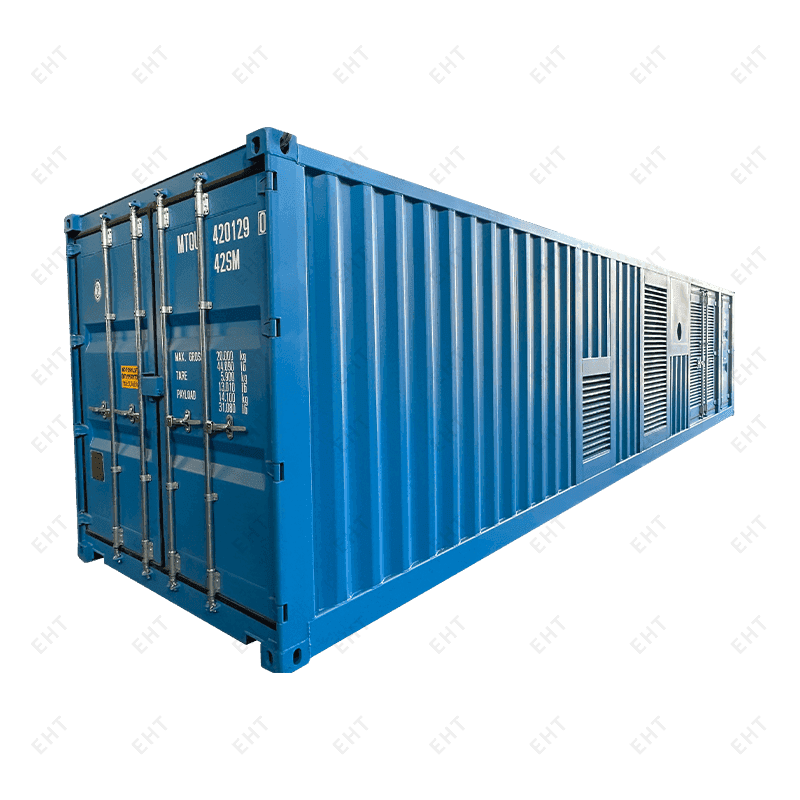
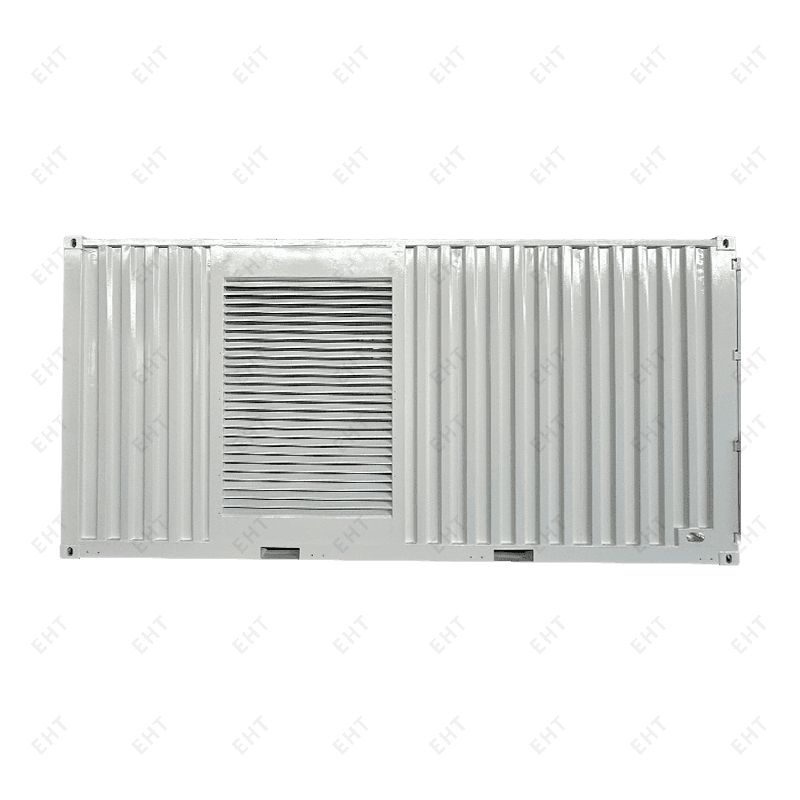
Specialized Shipping Container | 40ft Custom Air Compressor ContainerOverall Dimensions: 12192 × 2438 × 2896mmLarge...
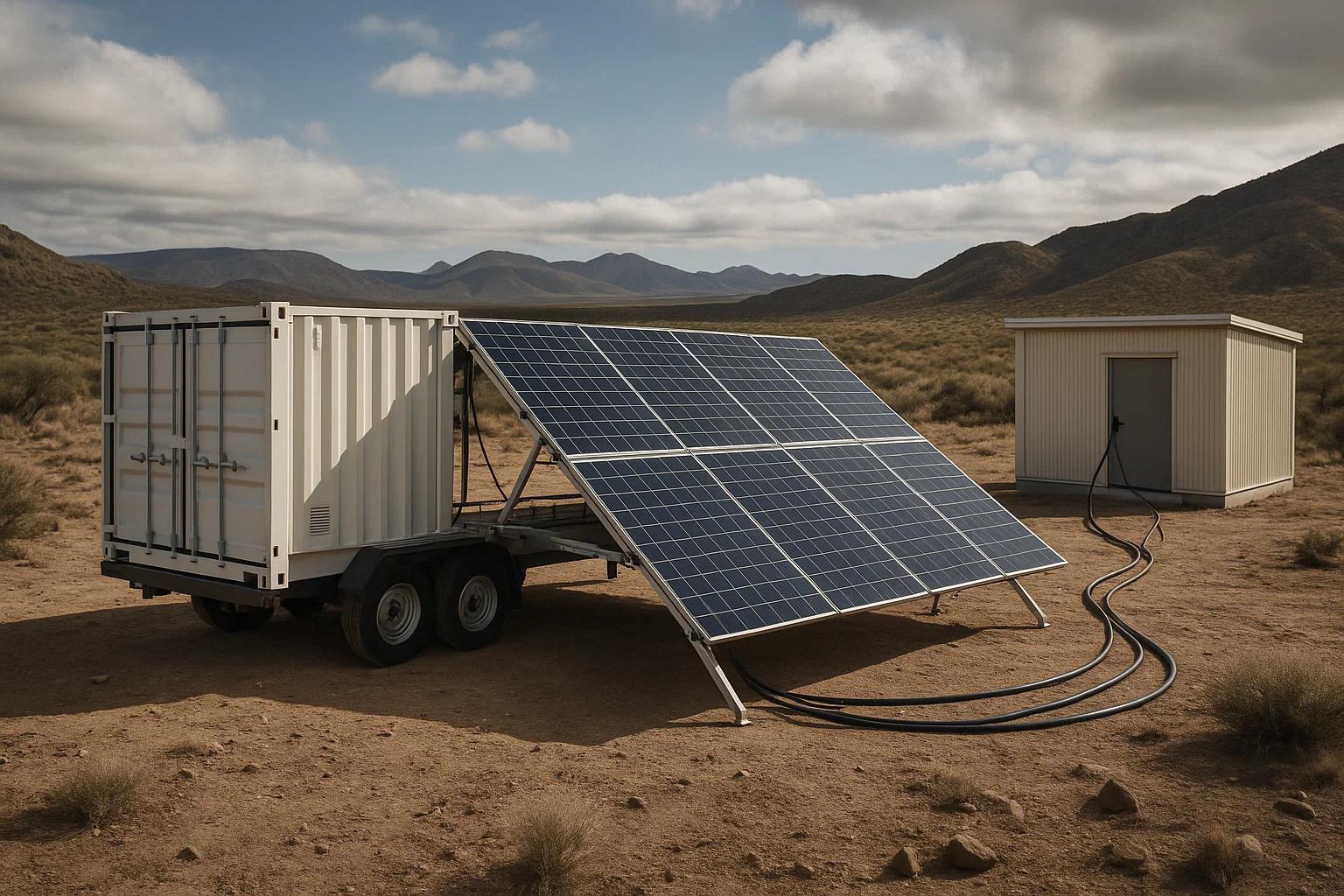
Mobile Solar Power Container solutions combine pre-integrated photovoltaic arrays, battery energy storage, power electronics and a transportable container chassis to deliver rapid, scalable off-grid electrical capacity. This article explains why off-grid facilities increasingly adopt these systems, describes typical design and operational details, and gives practical guidance for selection, deployment, upkeep and procurement.
Content
Off-grid operations—such as remote mines, rural telecom sites, temporary construction camps and disaster relief bases—face unique energy challenges: unpredictable load profiles, difficult logistics for fuel delivery, and strict uptime requirements. Mobile Solar Power Containers address these issues by providing a packaged, transportable generating system that reduces fuel dependency, shortens deployment time, and simplifies operations. The containerized approach keeps all core components in a single, ruggedized enclosure that is designed for site transport by truck or shipping container handling equipment.
The solar array is sized to match the expected daytime generation needs and battery charging requirements. Arrays on mobile containers often use fold-out or slide-out panels to maximize installed capacity while keeping the transport footprint small. Panel selection emphasizes mechanical robustness (resistance to vibration and dust), a proven power tolerance to high ambient temperatures, and simple on-site tilt or tracking options when needed.
Battery banks provide energy smoothing, night-time supply and short-term peak shaving. Lithium iron phosphate (LFP) chemistry is frequently used for its cycle life, thermal stability and compact energy density. Battery capacity is specified to support the facility's overnight load and reserve margin for cloudy periods; container systems usually include an integrated Battery Management System (BMS) for cell balancing, state-of-charge management and safety interlocks.
Inverters and charge controllers convert DC array and battery power to the AC voltages used on site, regulate battery charging, and manage transitions between generation sources. Advanced containers include an energy management controller that prioritizes solar when available, automatically starts backup generators only when required, and provides remote telemetry for monitoring key metrics: SOC, PV yield, inverter status, and fault logs.
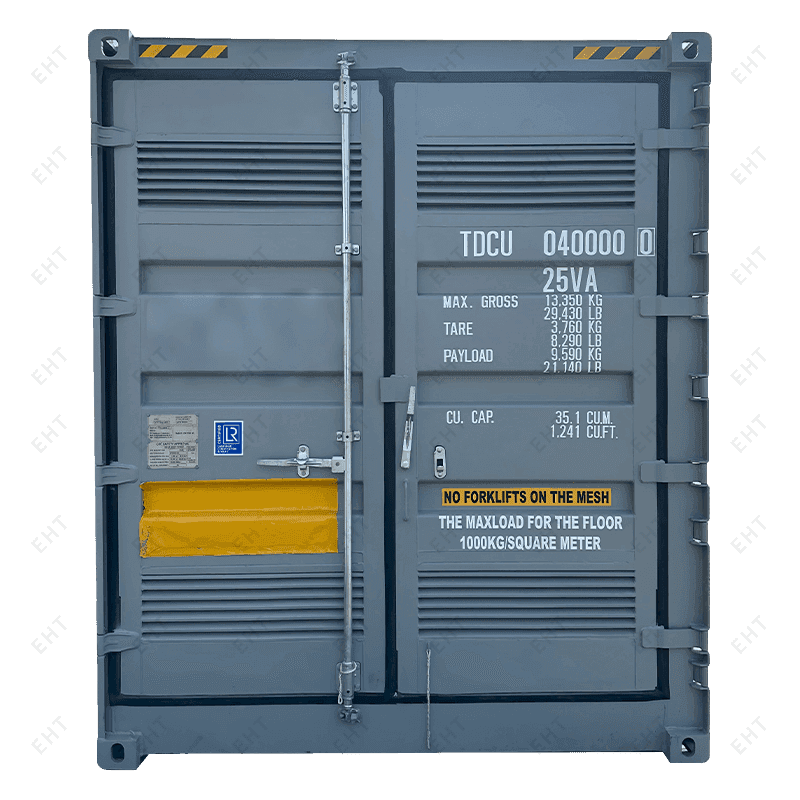
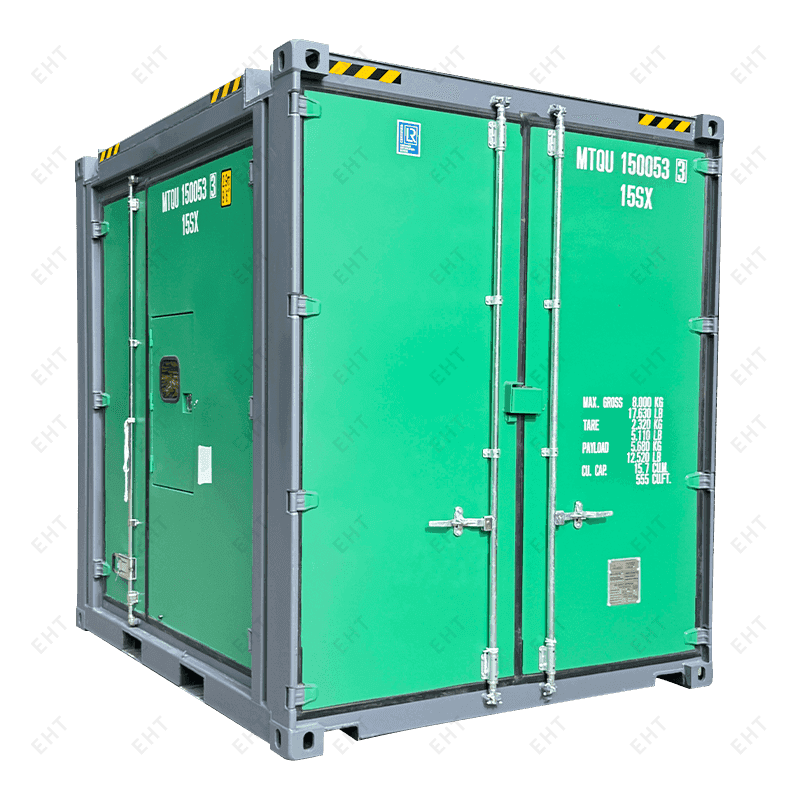
The container itself is designed for transport, weather sealing, lifting points and forklift pockets. Internal racking secures batteries, inverters and wiring; cooling and ventilation systems are sized to maintain component temperature within rated limits in harsh climates. Quick-connect power and communication panels reduce site hookup time.
Containerized systems simplify many maintenance tasks because components are co-located and accessible. Typical preventive maintenance includes visual inspections, cleaning PV surfaces, verifying battery health through BMS logs, testing inverter firmware updates and checking cooling system filters. Safety procedures must cover high-voltage DC work, battery thermal event protocols, fire suppression compatibility, and lockout/tagout for technicians.
|
Attribute |
Mobile Solar Power Container |
Diesel Generator Set |
|
Operational fuel cost |
Low (solar primary) |
High (continuous fuel supply) |
|
Deployment time |
Short (pre-integrated) |
Moderate (site install) |
|
Maintenance complexity |
Low to moderate (electrical focus) |
High (mechanical + fuel systems) |
|
Emissions |
Minimal to none |
High (CO₂, NOx, particulates) |
Mobile Solar Power Containers are well suited for a range of off-grid scenarios. Examples include powering remote telecom base stations where predictable, low-maintenance power is required; providing primary or peak-shaving power at mining exploration camps to reduce fuel convoy frequency; supporting temporary military or humanitarian field bases with clean, quiet power; and serving as a rapid deploy power source for film sets or outdoor events where grid access is impractical.
Mobile Solar Power Container systems combine mobility, modularity and integrated controls to meet the practical needs of off-grid facilities. By reducing fuel dependence, shortening deployment timelines and simplifying operations and maintenance, these containerized solutions deliver a pragmatic route to cleaner, more resilient power in remote and temporary settings. When evaluating options, focus on realistic load analysis, robust component selection, and service or warranty provisions to ensure the system meets operational expectations throughout its lifecycle.

What to stay up to date?
Contact us via the email address below.
No. 178, Wuzhou East Road, Economic Development Zone, Yangzhou, Jiangsu.
Copyright 2024 Yangzhou Yichengke Integrated Technology Co., Ltd. All Rights Reserved.

