

 English
 русский
 Español
 عربى
عربى40ft Custom Air Compressor Container
Specialized Shipping Container | 40ft Custom Air Compressor ContainerOverall Dimensions: 12192 × 2438 × 2896mmLarge...
Content
Traditional site cabins and brick temporary structures take weeks to build and are rarely worth relocating once a project ends. Housing containers solve both problems: they arrive largely pre-fitted, install in hours rather than weeks, and can be redeployed to the next site instead of being demolished. At Yangzhou Yichengke Integrated Technology Co., Ltd. (EHT), we see this shift firsthand in construction, mining, and disaster-relief projects that used to budget for permanent-style temporary buildings and now specify modular housing containers instead, cutting both setup time and total project cost.
The right size depends on occupancy and how the space will actually be used, not just floor area. A small crew doing short-term site work has very different needs from a mining camp housing dozens of workers for months at a time. Our specialized customized housing container line is built around a few core footprints so customers can scale up without redesigning the layout from scratch each time.
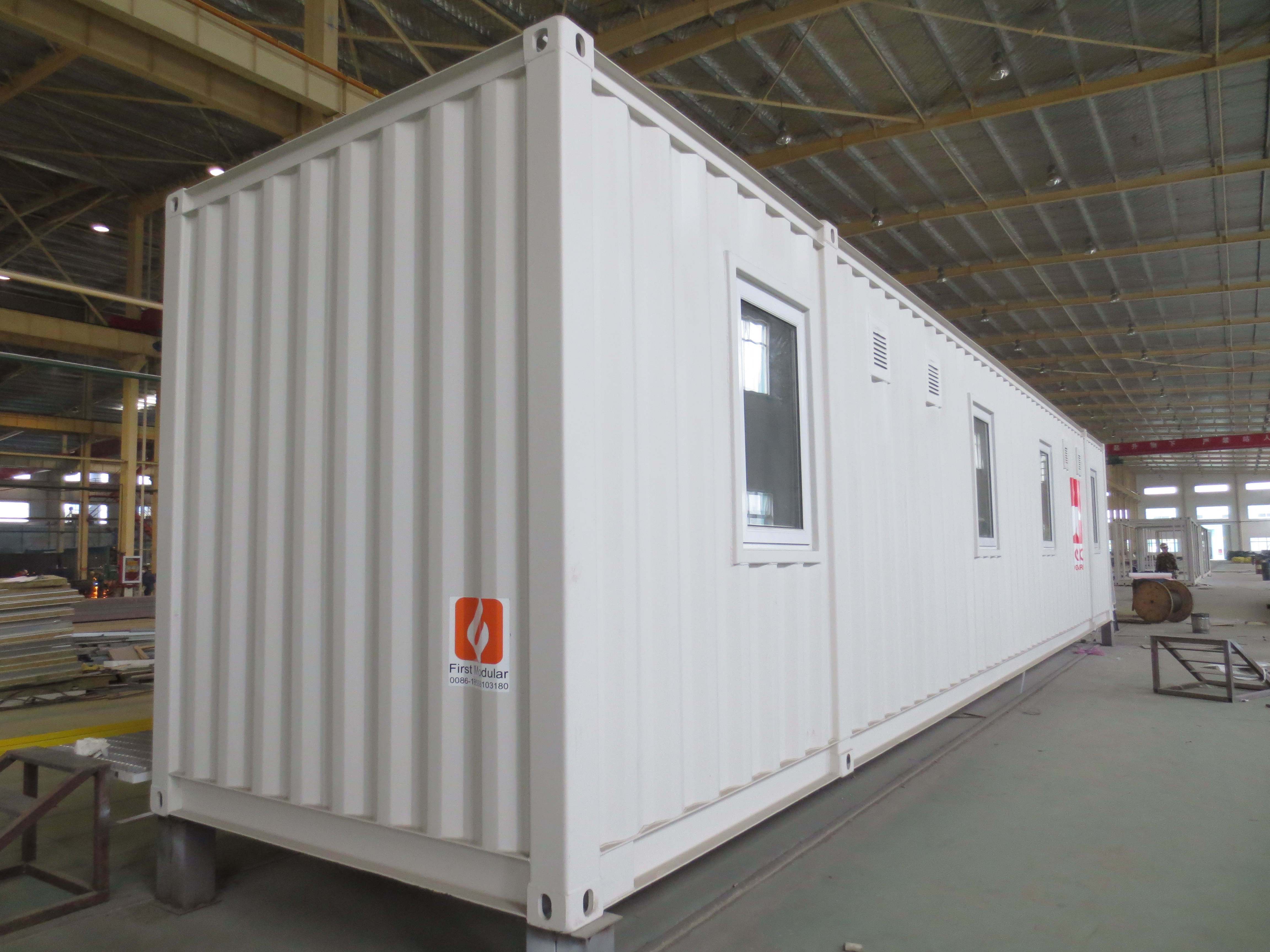
Each of our housing container models is designed around a specific deployment scenario rather than a one-size-fits-all box. The comparison below is a starting point for narrowing down which base unit fits your project before adding custom interior options.
| Model | Best For | Key Advantage |
| 20 Feet Housing Container | Small crews, site offices, short-term stays | Compact, easy to transport and position |
| 40 Feet Housing Container | Larger camps, multi-occupant housing | More interior space for shared or divided layouts |
| 20 Feet Foldable Housing Container | Emergency shelters, rapid deployment sites | Ships flat, expands quickly on arrival |
The base structure is only half the specification. What determines whether a housing container is actually comfortable and usable long-term is the interior fit-out: insulation against heat and cold, reliable electrical wiring, and where needed, fully plumbed bathroom modules with showers, toilets, and water-saving fixtures. We build these options directly into our housing containers at the factory stage rather than leaving them for on-site retrofitting, which keeps installation timelines short and avoids the quality inconsistencies that come with field modifications.
One advantage that often gets overlooked during initial planning is what happens after the project ends. A well-built housing container can be relocated to the next site or repurposed rather than scrapped, which meaningfully changes the total cost of ownership compared with permanent temporary structures. If you are scoping housing for an upcoming construction, mining, or relief project, working with EHT directly on the specification for our specialized customized housing container range lets you plan for that next deployment from day one instead of treating it as an afterthought.

What to stay up to date?
Contact us via the email address below.
No. 178, Wuzhou East Road, Economic Development Zone, Yangzhou, Jiangsu.
Copyright 2024 Yangzhou Yichengke Integrated Technology Co., Ltd. All Rights Reserved.

