

 English
 русский
 Español
 عربى
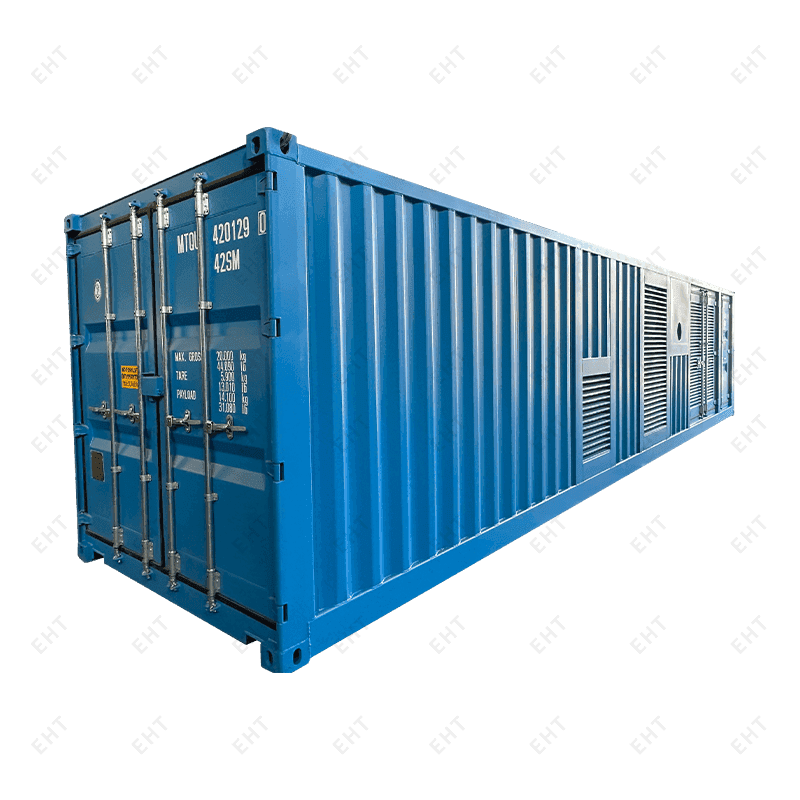
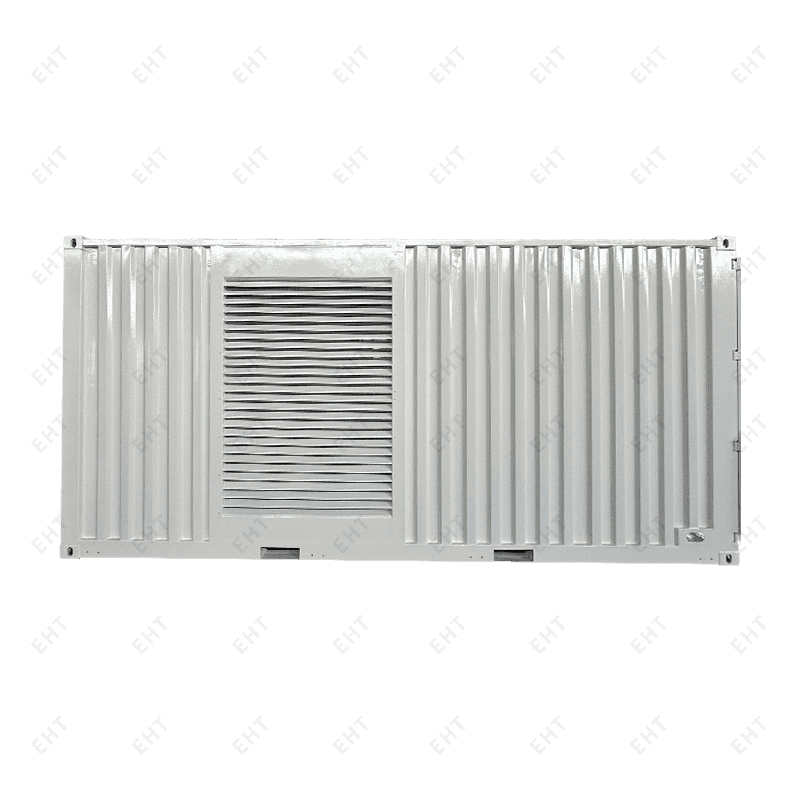
40ft Custom Air Compressor Container
Specialized Shipping Container | 40ft Custom Air Compressor ContainerOverall Dimensions: 12192 × 2438 × 2896mmLarge...
If you have ever loaded a 40ft container and watched the last few inches disappear, a high cube shipping container may be the answer. At EHT, we build and customize containers for projects around the world, and the high cube question comes up often. The extra height is simple, but the details matter: internal dimensions, door openings, payload, and the cargo you plan to load. Here is a practical guide.
Content
A high cube shipping container is an ISO container with an external height of 9 ft 6 in (2.896 m) instead of the standard 8 ft 6 in (2.591 m). That extra foot, about 30 cm, shows up inside as usable vertical space. Most high cube containers are 40 ft long, although 20 ft high cube units exist. The added height does not change the footprint or the corner castings, so high cubes handle, stack, and ship like other ISO containers. It is still a steel box with the same basic structure; the difference is headroom.
The table below compares typical 40ft high cube and 40ft standard figures. Use it for planning, not for final loading calculations. Always confirm the actual container's CSC plate and data plate.
| Specification | 40ft High Cube | 40ft Standard |
|---|---|---|
| External height | 2.896 m (9 ft 6 in) | 2.591 m (8 ft 6 in) |
| Internal height | 2.698 m (8 ft 10 in) | 2.393 m (7 ft 10 in) |
| Internal volume | 76.4 m³ (2,700 cu ft) | 67.7 m³ (2,390 cu ft) |
| Door opening height | 2.585 m (8 ft 6 in) | 2.280 m (7 ft 6 in) |
| Typical tare weight | 3,900 kg (8,600 lb) | 3,750 kg (8,270 lb) |
| Maximum gross weight | 30,480 kg (67,200 lb) | 30,480 kg (67,200 lb) |
| Typical payload | 26,580 kg (58,600 lb) | 26,730 kg (58,930 lb) |
Because tare weight varies by manufacturer, a high cube's payload can be slightly lower than a standard container of the same length. The maximum gross weight is usually the same, so the extra volume does not automatically mean extra weight capacity.
A 40ft high cube offers around 76.4 m³ (2,700 cu ft) of internal volume, compared with roughly 67.7 m³ (2,390 cu ft) in a standard 40ft. That is about 13% more space, and it is mostly vertical. For light, bulky cargo such as furniture, foam, insulation, packaging, or tall equipment, the difference can be significant. On the floor, the pallet footprint is unchanged. You still need to plan the load pattern, weight distribution, and securing points. If your cargo is dense and reaches the payload limit before the roof, a high cube will not help; a standard container may be cheaper. If your cargo cubes out first, the high cube is often the better fit. That is the key test: are you running out of height or out of weight?
The practical comparison is simple. A high cube gives you 30 cm more internal height and about 8.7 m³ more volume in a 40ft unit. It may have a slightly higher tare weight, which can reduce payload by a few hundred kilograms depending on the build. It usually costs a little more to buy, rent, or move, and availability can be tighter on some trade lanes. For light, tall, or awkward loads, those trade-offs are often worth it. For heavy machinery, stone, or dense palletized goods, the standard container is usually the more efficient choice. Match the container to the cargo, not the other way around.
One detail catches people out: the door opening is lower than the internal ceiling. On a typical 40ft high cube, the internal height is about 2.69 m, but the door opening is around 2.58 m. If you are loading a tall rigid item, a forklift with a mast, or a pre-built frame, measure the door opening first. Also check the corner posts and any internal fittings. A high cube shipping container gives you more room once the cargo is inside, but it does not remove the physical limits at the doorway. Good loading plans include ramp angle, forklift height, and the order in which items go in.
High cubes are popular for:
They are less suitable for dense cargo where the payload limit arrives first. If you are shipping heavy coils, tiles, or bagged materials, run the weight calculation before you pay for extra height.
At EHT, we work on 20ft and 40ft container platforms and build specialized containers around the job. That includes side-opening access for wide loads, open-top designs for crane loading, and custom layouts for equipment integration. We can review your drawings or sample requirements and suggest a practical build. Our production is supported by ISO9001, ISO45001, and ISO14001 systems, and our products can be supplied with CE, CSA, and AS/NZS 1170.2 related certification depending on the project. If a standard high cube is close but not quite right, a customized unit may save time on site.
 40ft Side-Door Specialized Shipping ContainerA 40-foot side-opening container for wide or heavy loads that need side access, helping simplify loading when rear doors or cranes are impractical.View Product →
For cargo that needs side access, a 40ft side-door specialized shipping container can make loading more straightforward, especially when the load cannot be craned or rolled through the rear doors.
 40ft Hard-Top Open-Top Shipping ContainerA 40-foot open-top container with removable hard roof for crane loading, suited to bulky machinery and oversized cargo needing top access.View Product →
Where top loading is needed, a 40ft hardtop open-top container gives the crane access without removing the whole roof.
Buying or renting a high cube is not just about the lowest price. Check the year of manufacture, CSC certification, door seals, floor condition, roof condition, and any signs of repair. Confirm the internal height and door opening with a tape measure if the cargo is tight. For a quick cost and pallet planning overview, our container weight, pallets, and cost guide is a useful next read. If you are comparing new builds, ask for the tare weight, payload, and certification package in writing. A good supplier will share drawings and test evidence, not just a photo.
A high cube shipping container is a simple upgrade with a clear benefit: more vertical space on the same footprint. It is not the right box for every load, but for light, tall, or bulky cargo, it often turns a tight load into a comfortable one. At EHT, we are happy to talk through dimensions, door openings, and customization options before you commit. The best container is the one that fits your cargo, your handling equipment, and your budget, without surprises at the loading bay.

What to stay up to date?
Contact us via the email address below.
No. 178, Wuzhou East Road, Economic Development Zone, Yangzhou, Jiangsu.
Copyright 2024 Yangzhou Yichengke Integrated Technology Co., Ltd. All Rights Reserved.

