

 English
 русский
 Español
 عربى
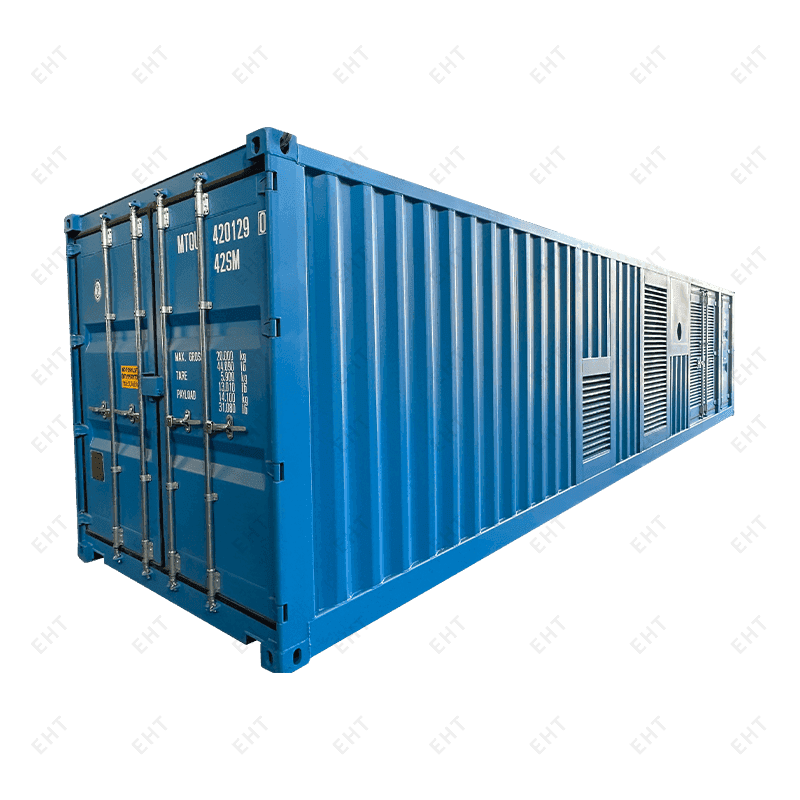
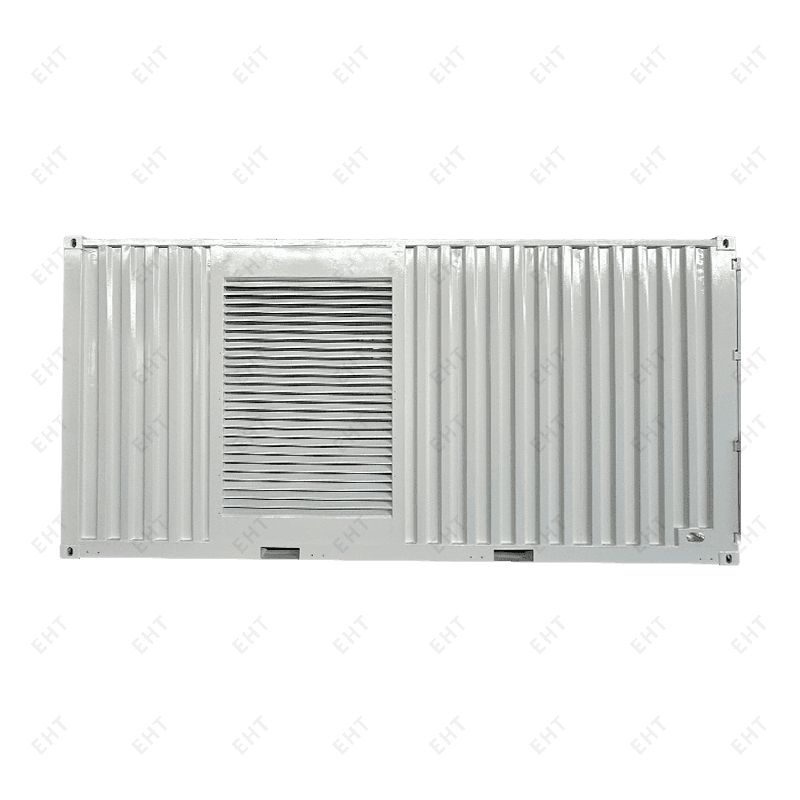
عربى40ft Custom Air Compressor Container
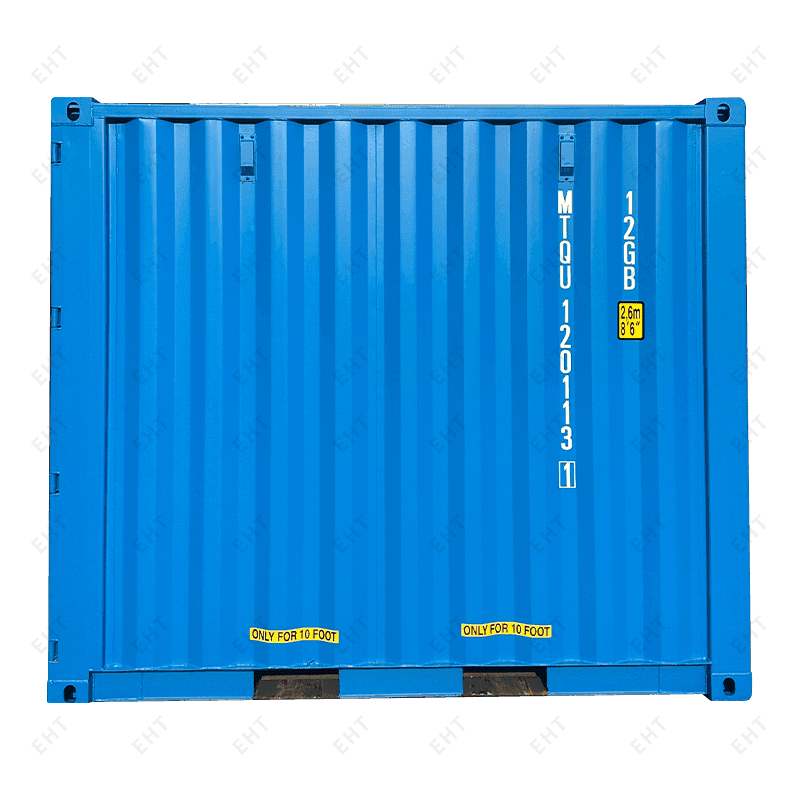
Specialized Shipping Container | 40ft Custom Air Compressor ContainerOverall Dimensions: 12192 × 2438 × 2896mmLarge...
Content
For fruit export, a modern 40-foot high-cube refrigerated ISO container (reefer) with active controlled atmosphere (CA) capability, pre-trip inspection (PTI) certification, and a carrier that offers continuous remote monitoring is the most reliable choice. The right service depends on your commodity's temperature sensitivity, voyage duration, destination port infrastructure, and whether your cargo requires hazmat classification. Getting these factors wrong costs more than the freight — spoilage rates for improperly handled fresh produce in international trade average 10–15% of shipment value.
The sections below break down each decision point — from container dimensions and ISO standards to zone classification, negative pressure testing, and hazmat handling — giving you a practical framework for selecting the right refrigerated container service.
An ISO container is a standardized intermodal freight container manufactured to dimensions and structural specifications defined by the International Organization for Standardization — primarily ISO 668 (classification, dimensions, ratings) and ISO 1496 (testing requirements). ISO containers are designed to be transferred seamlessly between ships, trains, and trucks without unloading cargo, forming the backbone of global containerized trade.
ISO containers are identified by a four-character type code. For reefers, the most relevant codes are:
Every ISO container carries a permanently stenciled BIC (Bureau International des Containers) owner code and serial number, a CSC (Container Safety Convention) plate confirming structural worthiness, and for reefers, a data plate specifying the refrigeration unit's operational parameters. These markings are not optional — they are required for port entry and customs processing worldwide.
Understanding container dimensions directly affects how you palletize, load, and estimate freight costs. The two most relevant formats for fruit exporters are the 40-foot ISO high-cube reefer (for ocean freight) and the 53-foot domestic trailer (for North American inland distribution).
The 40-foot high-cube reefer is the industry standard for ocean fruit export. The refrigeration unit at the front wall consumes approximately 18–22 inches of internal length, reducing usable cargo space compared to a dry container of the same external dimensions.
| Dimension | External | Internal (Reefer) |
|---|---|---|
| Length | 40 ft / 12,192 mm | ~11,583 mm (38 ft) |
| Width | 8 ft / 2,438 mm | ~2,286 mm (7 ft 6 in) |
| Height | 9 ft 6 in / 2,896 mm | ~2,228 mm (7 ft 4 in) |
| Volume (usable) | — | ~67.5 m³ (~2,385 cu ft) |
| Max Payload | — | ~27,000 kg (59,500 lbs) |
The 53-foot refrigerated trailer (reefer trailer) is the dominant format for domestic US produce distribution. It is not an ISO container and cannot be loaded directly onto ocean vessels, but it is critical for last-mile and inland fruit distribution after port discharge.
When planning fruit export logistics, note that a full 40 ft reefer container holds roughly 20 standard pallets, while a 53-foot reefer trailer holds 26+. Matching pallet configuration to container interior width is essential — standard GMA pallets (48×40 in) fit two-wide in a 53-ft trailer but only barely two-wide in a 40-ft ISO reefer.
Selecting the right reefer service goes beyond booking the cheapest slot. The following criteria are the ones experienced produce exporters consistently prioritize:
Different fruits require different setpoints. A single-temperature mismatch can cause chilling injury or accelerated ripening. Verify that your carrier's reefer unit can hold your required setpoint within ±0.5°C throughout the voyage:
For long voyages (14+ days), controlled atmosphere (CA) containers that modify O₂ and CO₂ levels extend shelf life significantly — apple exports from Chile to Europe in CA containers maintain quality over 30–35-day voyages that would spoil conventional reefer cargo. CA adds approximately 15–20% to freight cost but dramatically reduces destination rejections.
Always confirm that the carrier performs a certified PTI — a standardized check of the refrigeration unit's compressor, defrost cycle, airflow, and temperature accuracy — before stuffing. Carriers offering real-time remote monitoring with voyage data recorders (logging temperature every 15–30 minutes) give you legal protection in the event of a cargo claim and early warning of malfunctions.
Choose carriers with strong reefer plug capacity at both origin and destination ports. Transshipment ports with limited reefer plug infrastructure are a major cause of temperature excursions. Carriers such as Maersk, CMA CGM, and Hapag-Lloyd publish reefer plug availability by port — review these before routing.
| Criterion | What to Look For | Why It Matters |
|---|---|---|
| Temperature Accuracy | ±0.5°C setpoint control | Prevents chilling injury or premature ripening |
| CA Capability | O₂/CO₂ modification | Essential for voyages over 14 days |
| PTI Certification | Documented pre-trip inspection | Reduces equipment failure risk |
| Remote Monitoring | Real-time data logger access | Early alarm; cargo claim evidence |
| Reefer Plug Coverage | Adequate plugs at all ports | Prevents temperature excursion at transshipment |
| Negative Pressure Test | Container seal integrity check | Confirms no air infiltration compromising CA or temperature |
A negative pressure test (also called a leakage test or vacuum test) is a procedure that verifies the airtight integrity of a refrigerated container. For CA containers in particular, airtightness is critical — even small leaks allow atmospheric air to infiltrate, destroying the modified atmosphere and compromising produce shelf life.
The standard negative pressure test procedure works as follows:
For non-CA reefers, a simpler light-leak test (shining a strong light inside and inspecting from outside in darkness) is sometimes used as a quick check, but the negative pressure test is the definitive standard. Always request negative pressure test documentation before booking a CA container for sensitive fruit such as apples, pears, or blueberries.
Zone classification is a regulatory system that categorizes areas based on the presence of explosive, flammable, or hazardous atmospheres — determining what equipment, electrical installations, and containers are permitted in each zone. It originates from ATEX directives (EU) and NEC / IEC 60079 standards (US/international) and is directly relevant to cold chain and logistics operations involving refrigerants, fumigants, and fuel-powered gensets.
The main zone classifications under IEC 60079-10 are:
In the context of fruit export logistics, zone classification matters because:
Hazardous materials (hazmat) shipped internationally are classified under the IMDG Code (International Maritime Dangerous Goods Code) and must be transported in containers appropriate to their hazard class. Understanding hazmat container types is relevant to fruit exporters who may co-load fumigated cargo, ship ethylene ripening gas equipment, or transport crop protection chemicals alongside produce.
The main types of hazmat containers include:
Fruit exporters should be aware that fumigated containers (methyl bromide or phosphine) are classified as hazmat (IMDG Class 9) and require a "Fumigation Warning" sign, documentation of the fumigant type and concentration, and ventilation certification before workers may enter. Mixing fumigated containers with fresh produce on the same vessel requires careful IMDG segregation planning.
Temperature transmitters and sensors used in reefer containers, cold stores, and refrigerated trailers are often specified as liquid-cooled in demanding industrial or offshore environments. Liquid-cooled transmitters maintain calibration accuracy and operational reliability in high heat-load environments where air cooling is insufficient — a benefit that extends to monitoring equipment used in large-scale cold chain infrastructure such as terminal reefer plug stations, refrigerated warehouse compressor rooms, and genset enclosures.
Key benefits of liquid-cooled transmitters over air-cooled equivalents include:
For fruit export operations with large terminal cold storage facilities, specifying liquid-cooled transmitters for compressor room and refrigerant detection monitoring is best practice, particularly in climates where ambient temperatures regularly exceed 35°C.

What to stay up to date?
Contact us via the email address below.
No. 178, Wuzhou East Road, Economic Development Zone, Yangzhou, Jiangsu.
Copyright 2024 Yangzhou Yichengke Integrated Technology Co., Ltd. All Rights Reserved.

